

Running clean
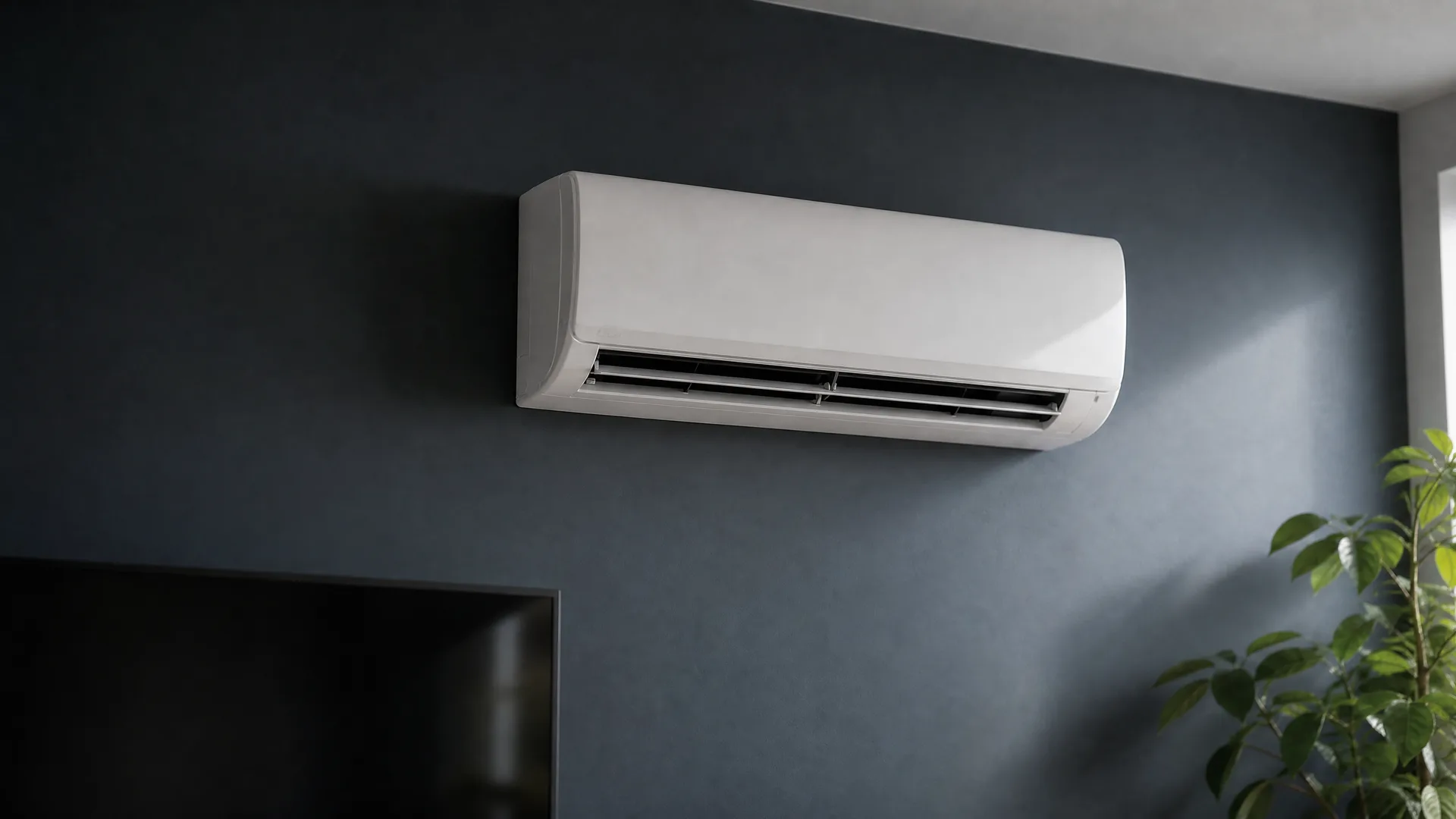
A mini split that's clean has no smell at all when the heat kicks on, just warm air moving into the room. The coil and vents stay clear, so there's nothing sitting on them to heat up and burn off.
Send the request today and let a mini split pro reach out to you.
Send it todayA burning or musty smell from your mini split when it's heating usually means dust burning off the heat exchanger, or mold growing in the unit from moisture that never fully dries out between uses. If the smell shows up right when heating season starts, that's dust that settled on the coil over the warm months now burning off as the unit heats up again, and it should fade after an hour or so of runtime. A musty, sour smell that lingers points to mold or mildew inside the indoor unit, often in the blower wheel or drain pan, where condensation sits. An electrical or plastic burning smell is different and more serious, and it means the unit should be shut off until a contractor looks at it. Since most homes in Washington heat with electricity, your mini split is likely doing most of the work keeping the house warm, so a smell that doesn't clear on its own is worth having checked rather than ignored.
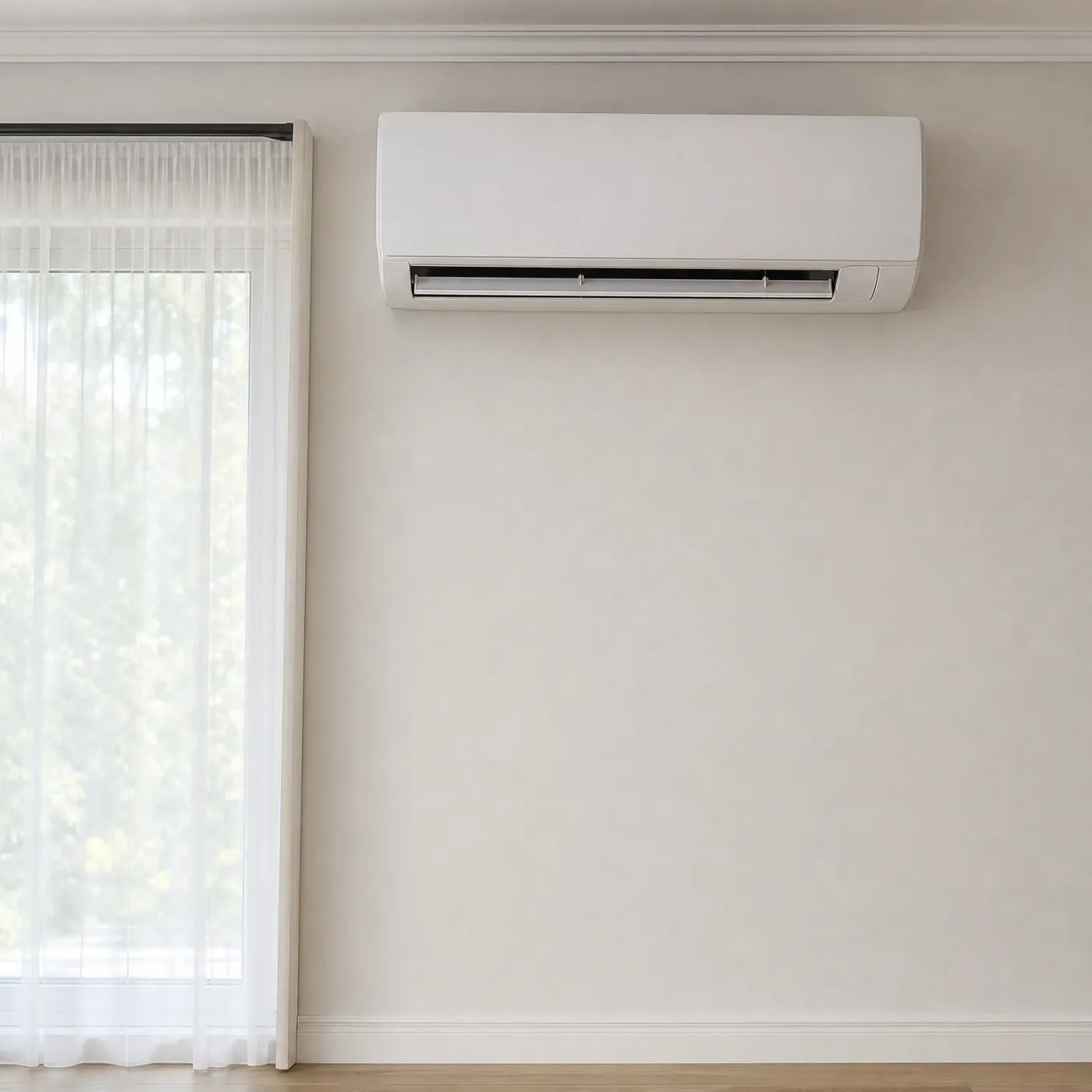
A mini split that's clean has no smell at all when the heat kicks on, just warm air moving into the room. The coil and vents stay clear, so there's nothing sitting on them to heat up and burn off.
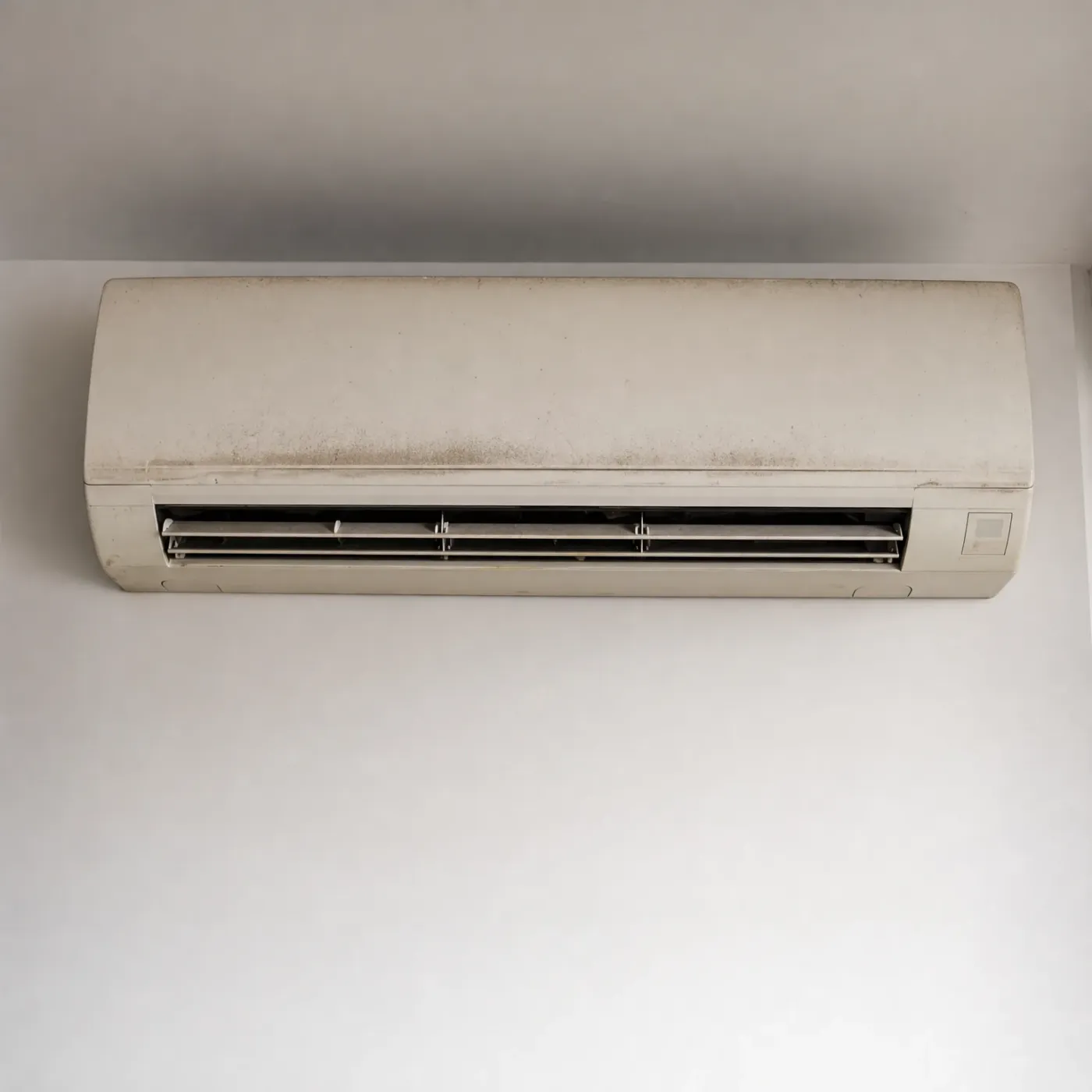
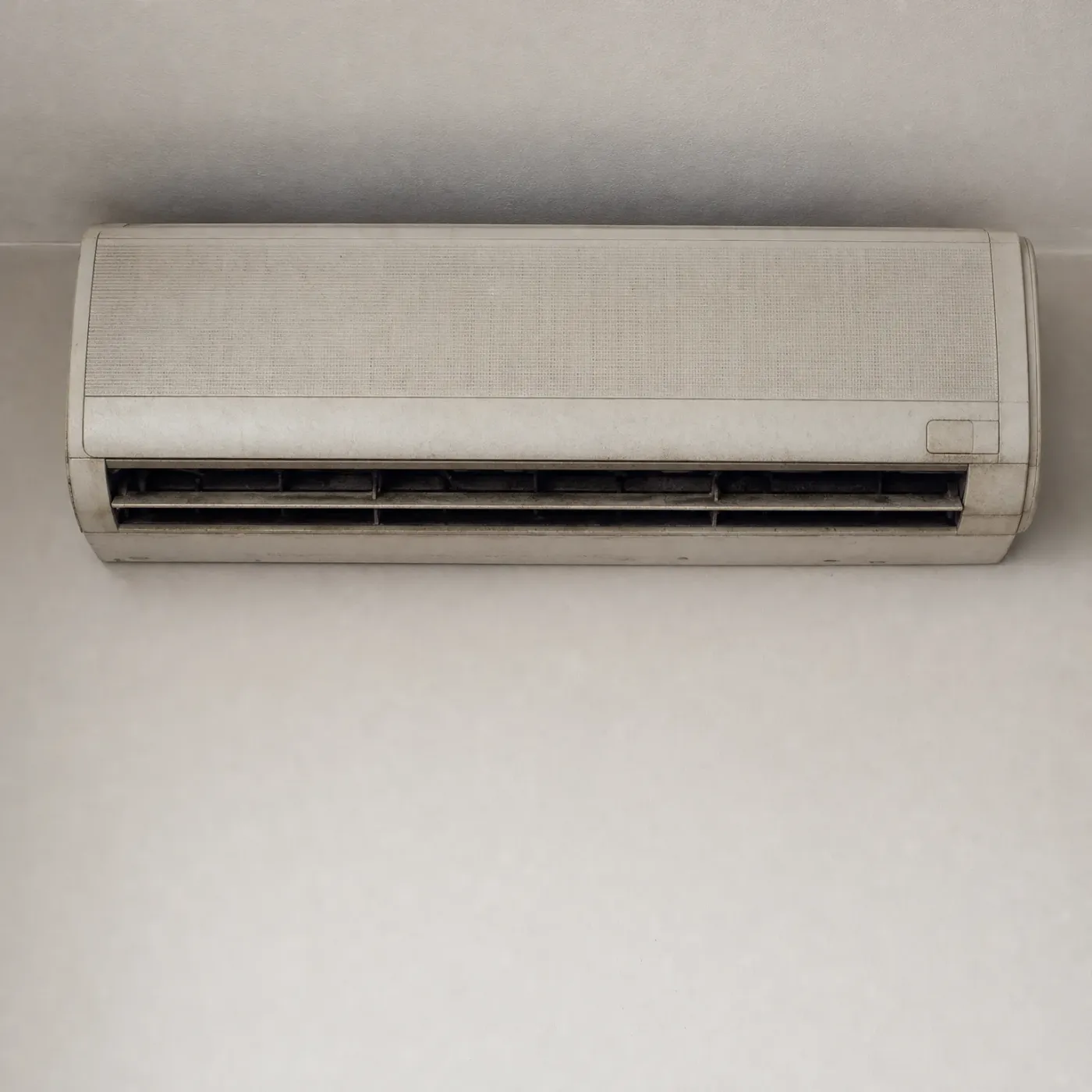
When the vents and top surface collect dust like this, that layer heats up every time the unit runs and gives off a burning smell. Grime this heavy usually means the filter hasn't been cleaned in a while, and whatever's built up on the coil behind it is adding to the smell.




Your mini split's indoor unit works the same way in winter as it does in summer. The blower pulls air from the room across the coil and through the filter, then pushes it back out. In summer that coil runs cold and collects moisture, which is normal. Whatever dust settles on it during those months sits there damp, and so does anything that starts growing in the drain pan. None of that needs the unit running to survive. It just waits. When you switch over to heat, the same coil that was cold now runs warm, and that trapped moisture evaporates fast. It carries the dust and whatever grew in that moisture straight into the air moving through the room. That's the burning or musty smell. It usually settles down after the unit has been heating for an hour or so, once that first layer has dried out or burned off. It comes back next time there's been enough moisture and buildup sitting on the coil to repeat the process.
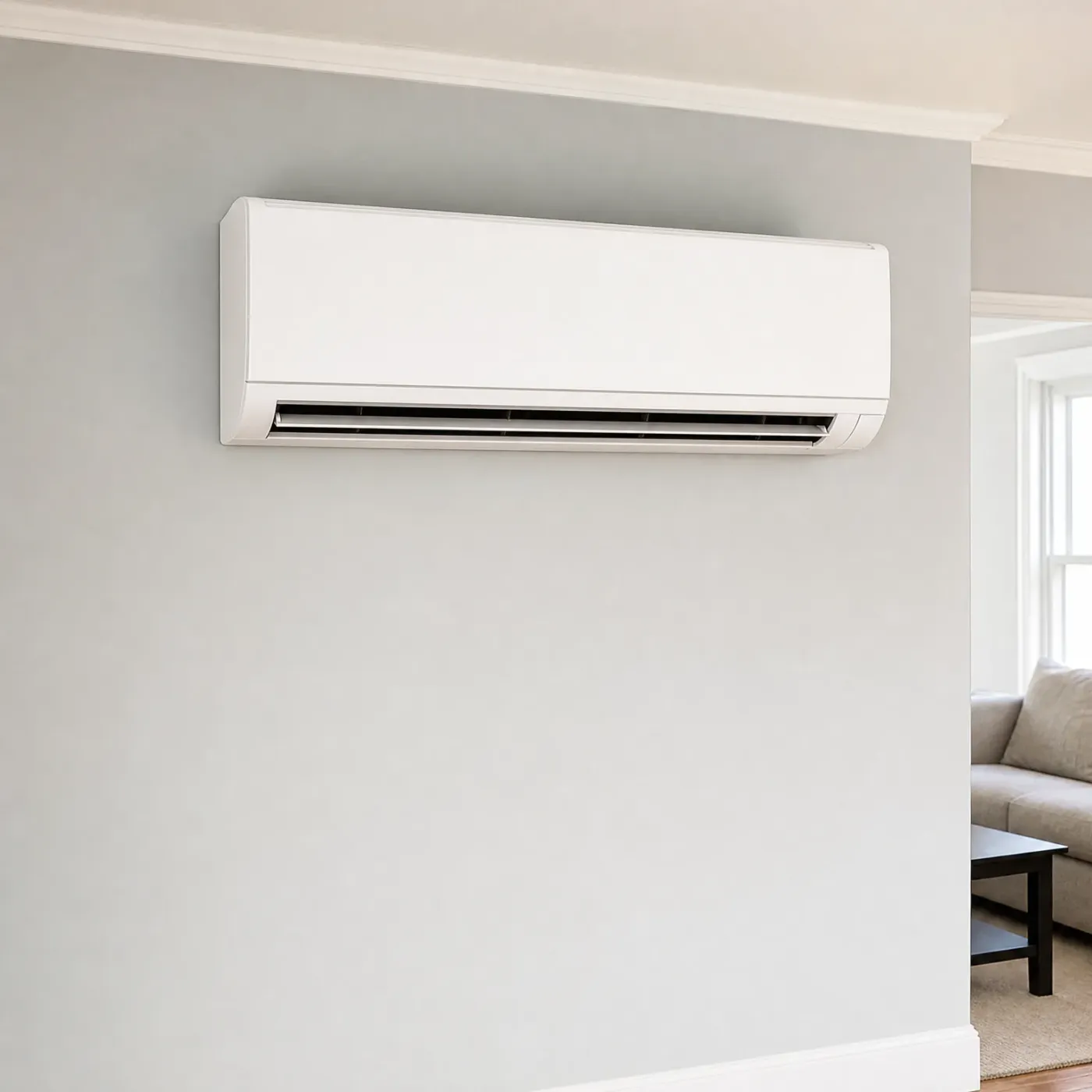
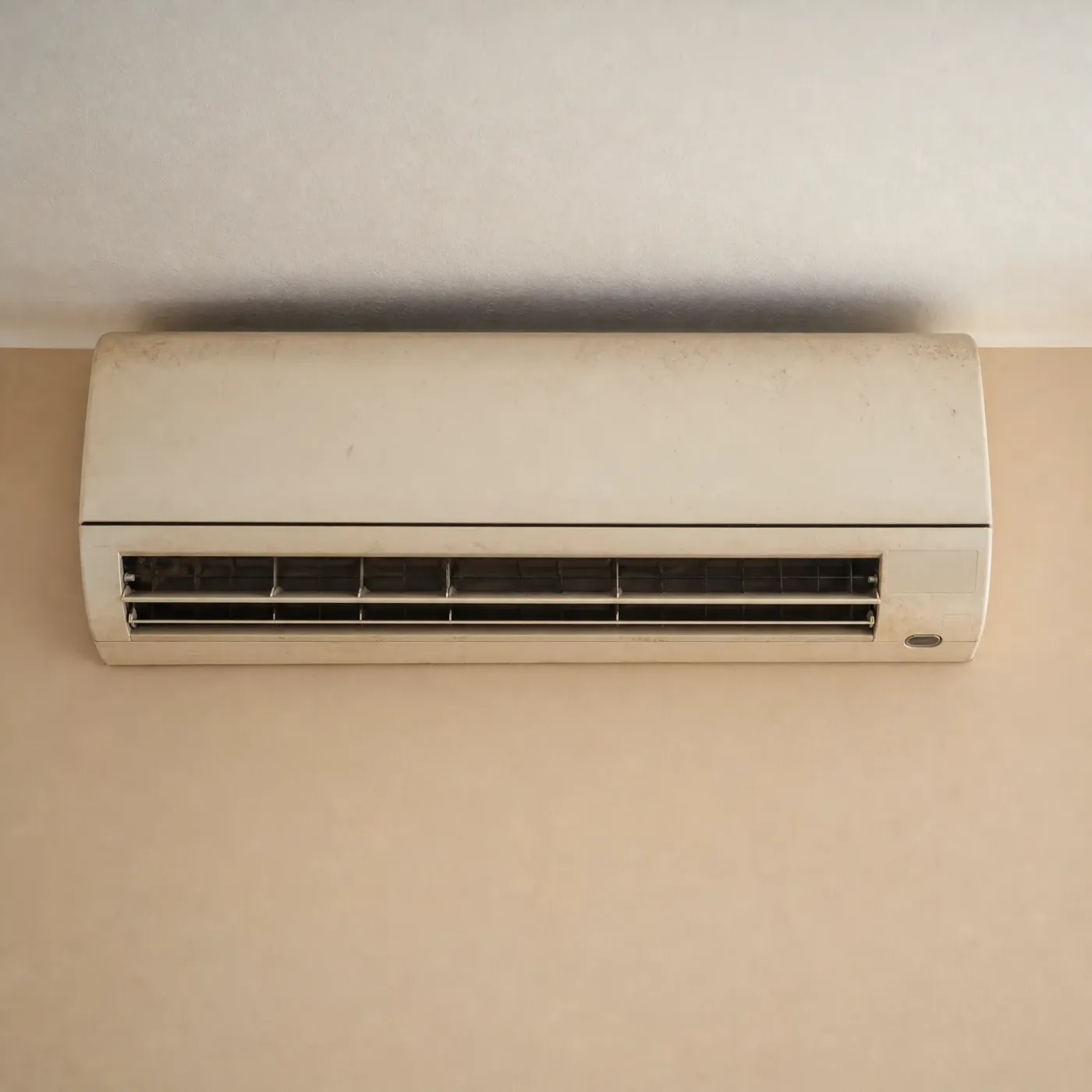

You're at your desk on a warm afternoon, working from home with the mini split running to take the chill off. You look up and notice a dark streak running down the wall under the indoor unit, the paint gone soft and darker where the water's been sitting. There's already a towel on the floor from the last time this happened. The air coming out smells off, a little sour, and it's worse than it was last week. You get up and press a hand to the wall below the unit. Still damp. Whatever's draining out of that coil isn't going where it's supposed to.
Your request goes to one pro, not a list of companies.
There's no charge for the request.
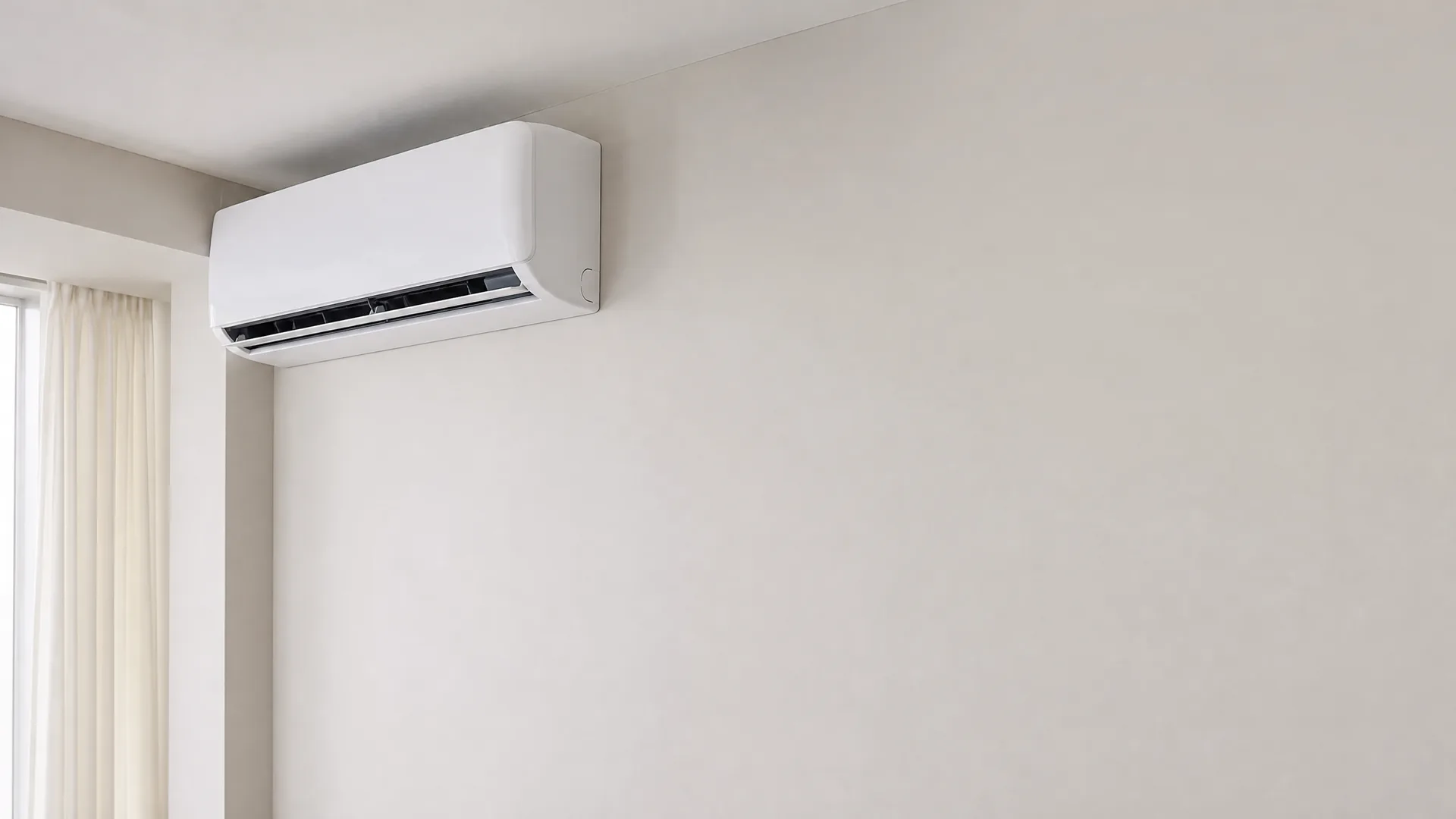
The burning smell usually eases off once the unit has been running a while, because the dust sitting on the coil has finished burning off. If it never fades, or comes back strong every time the unit cycles on, that points to a thicker layer built up over the summer, or something else sitting on the coil that isn't just dust.
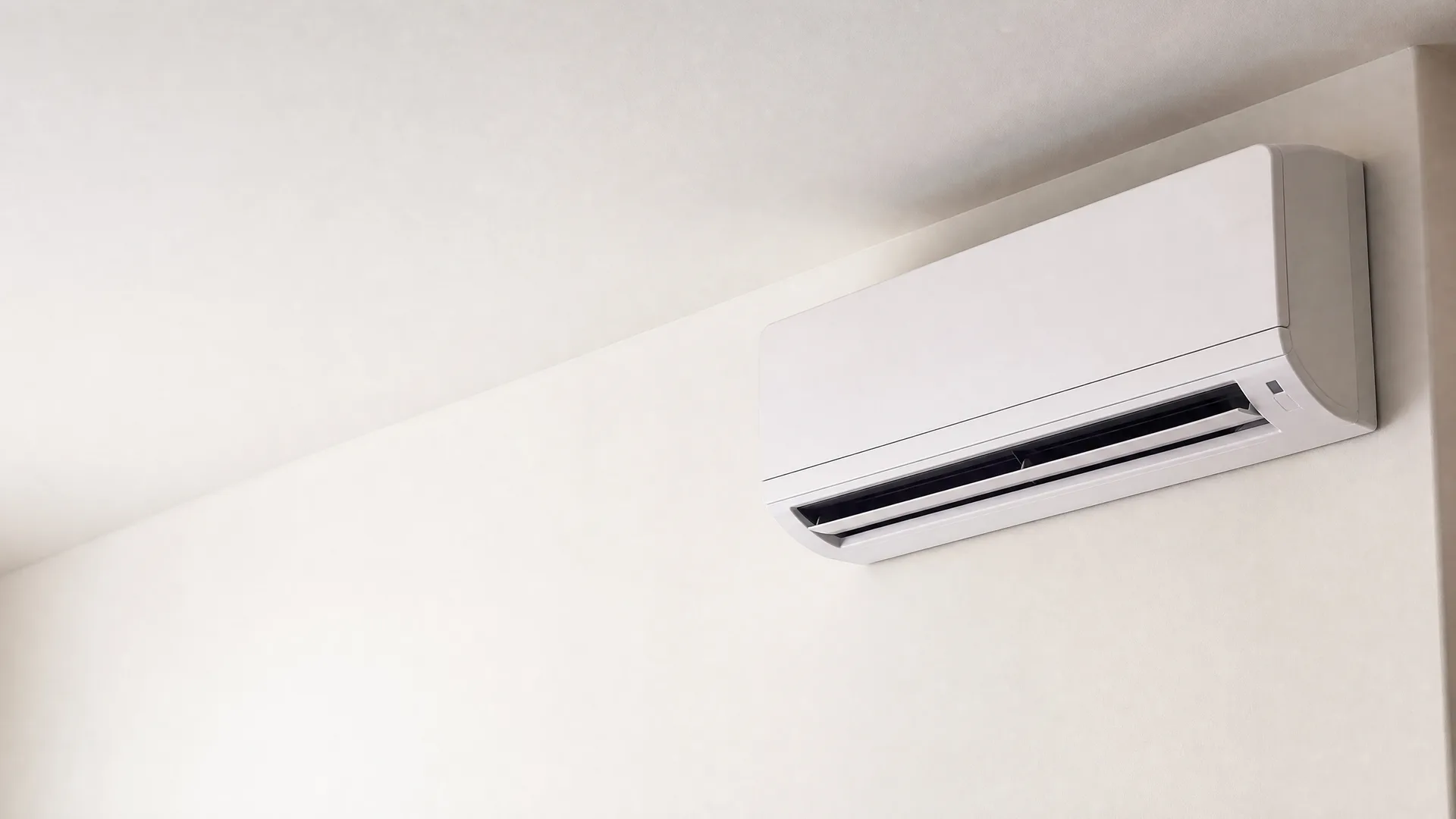
Mini splits pull moisture out of the air even while heating, and that water has to leave through a condensate drain line. If that line is slow or partly blocked, water sits in the pan longer than it should, and standing water is what lets mold take hold inside the unit. A musty smell with no burning smell points more toward that drain than toward dust.
You've noticed the smell only comes up when the mini split is heating. Run it on cool and the air coming out doesn't have that edge to it. It makes you wonder if something's wrong specifically with how the unit heats, or if it's just more noticeable because you're sitting closer to the vents this time of year.
A mini split's heat pump moves refrigerant one direction to cool and the opposite direction to heat, using the same coil for both. In summer here, that coil stays cold and wet, which washes dust off it as it runs. Switch to heating and the coil runs warm and dry instead, so instead of rinsing dust away, it bakes whatever settled on it over the summer. That's the burning smell. If mold grew in the unit while it sat barely used, warm dry air pulls that smell out too, where cold air moving across a wet coil wouldn't carry it the same way. Same coil, same unit, just a different airflow doing different things to what's built up on it.
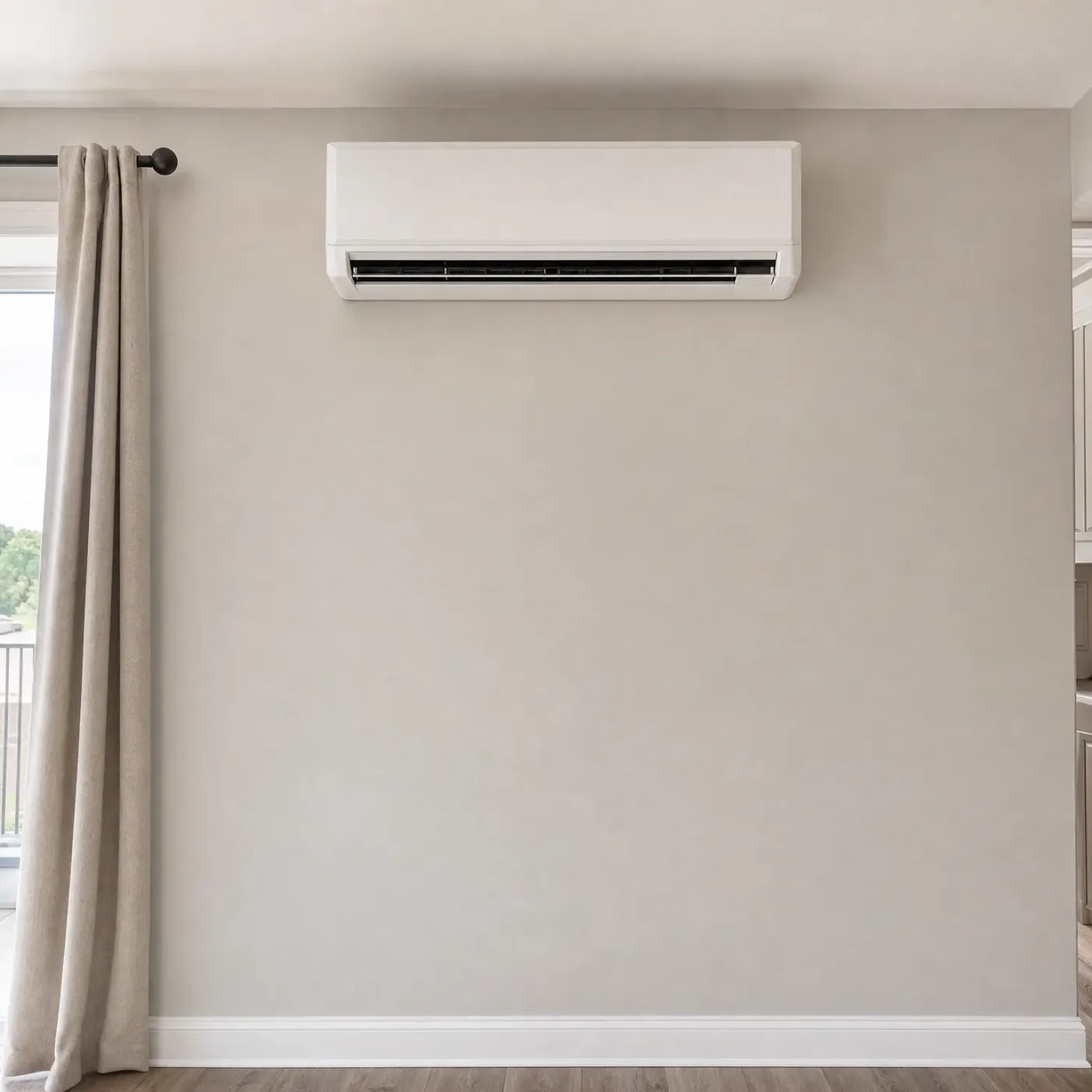

Summers here don't feel heavy. Dew point across Washington averages 53°F in June, July and August, based on NOAA climate data, which is the dry end of the scale. Your mini split isn't fighting moisture all summer the way units in muggier states do, so it doesn't build up the damp, musty growth that comes from a coil that never fully dries out. That's good news for cooling. It also means if you're catching a musty smell once heating starts, it's less likely to be mold from summer humidity and more likely dust that settled on the coil over the months it sat idle.
NASA POWER T2MDEW county cells weighted by homes


Dust settles on the indoor coil and blower wheel during months of cooling or idle time
Heating mode sends hot refrigerant through that same coil for the first time in months
Heat from the coil bakes off the dust sitting on its surface
Burning particles ride the airstream the blower pushes into the room
At 13.17 cents a kilowatt-hour, running your mini split to clear that smell out costs you almost nothing. There's no reason to let a musty coil keep stinking up the room when you're already heating with electricity anyway. A quick repair fixes the smell without touching what you pay to stay warm.
EIA-861 2025 statewide residential average
Heat mode either bakes off dust or stirs up mold that's been sitting in moisture, and which one you're smelling tells you how far this goes. Dust clears itself out after a few minutes of runtime. Mold doesn't, because the water feeding it is still there, sitting in a clogged drain or on a coil that's stayed damp between cycles. Washington's dry summers mean that water isn't coming from humidity in the air the way it would in a muggier state. It's coming from somewhere inside the unit, and a filter rinse won't reach it. A streaked wall under the indoor unit is the clearest sign you're past a cleaning job. That's condensation finding a way out where it shouldn't, and it means a line or a pan needs attention, not a wipe-down.
A tech who services mini splits in your area through every season has already seen this exact smell more times than you'd guess, and knows which part to check first instead of guessing their way through it. That's the kind of call this turns into, one contractor who works on this equipment locally, not a handful of companies competing for your number before anyone's looked at the unit. You get one person who shows up knowing what usually causes it.
Once the coil's cleaned and the drain's running clear, heat mode goes back to just being warm air in the room, no smell attached to it. That's the whole fix. Nothing about how your mini split heats has to change, just what's sitting inside it when it does.
One request and it's handed off