Ice on the outdoor unit means it's pulling heat out of cold, damp air faster than it can shed the moisture it collects. Every mini split frosts up a little in cold weather, and the system is built to handle it. It runs a defrost cycle every so often, reversing briefly to melt that frost off before it goes back to heating. In a Washington winter, with damp air sitting around freezing for days at a stretch, that cycle can fall behind, and ice builds up faster than it clears. A thin layer that melts off on its own during defrost is normal. A thick crust, ice that stays after defrost, or a coil that's frozen solid points to something not working right, often low refrigerant, a failing defrost sensor, or a fan that isn't moving air the way it should. Left alone, it can stop the unit from heating your home at all.




How defrost actually clears the ice
- During defrost, a reversing valve switches the system to briefly run like an AC unit, sending hot gas outside to melt the ice.
- The outdoor fan shuts off during defrost so it doesn't blow cold air across the coil and fight the melting process.
- A normal defrost cycle runs for a few minutes every half hour to hour in cold, wet weather.
- Water from a melted coil should drain out the bottom of the outdoor unit, not refreeze into a sheet of ice.
- A frozen coil that never clears points to a stuck reversing valve, a failed defrost sensor, or low refrigerant charge.
- A dirty outdoor coil blocks airflow and can cause ice to build up faster than the defrost cycle can keep up with.
Your mini split handles ice the same way every time. The outdoor unit has a thermostat or sensor on the coil that tracks when frost is building up. Once it crosses a set point, the system switches the reversing valve and starts running backward for a few minutes, pushing hot refrigerant gas through the outdoor coil instead of the indoor one. That's why you might feel a short burst of cool air inside during defrost, or hear the unit sound like it's working harder. The outdoor fan stops during this part. If it kept spinning, it would pull cold outside air across the coil right as the system is trying to warm it, which would fight the melt instead of helping it. Once the coil is clear, the valve switches back and the unit returns to heating your house. The water that melted off should run down and out the base of the unit. If the ground around it stays frozen, or you see ice building back up within an hour of a cycle finishing, something in that process isn't finishing the job. That could be the sensor misreading the coil temperature, the reversing valve not switching all the way, or the system running low on refrigerant and unable to generate enough heat to melt what's formed. A coil caked with dirt or debris makes all of this worse, since it traps cold air against the metal and gives frost more surface to grab onto.
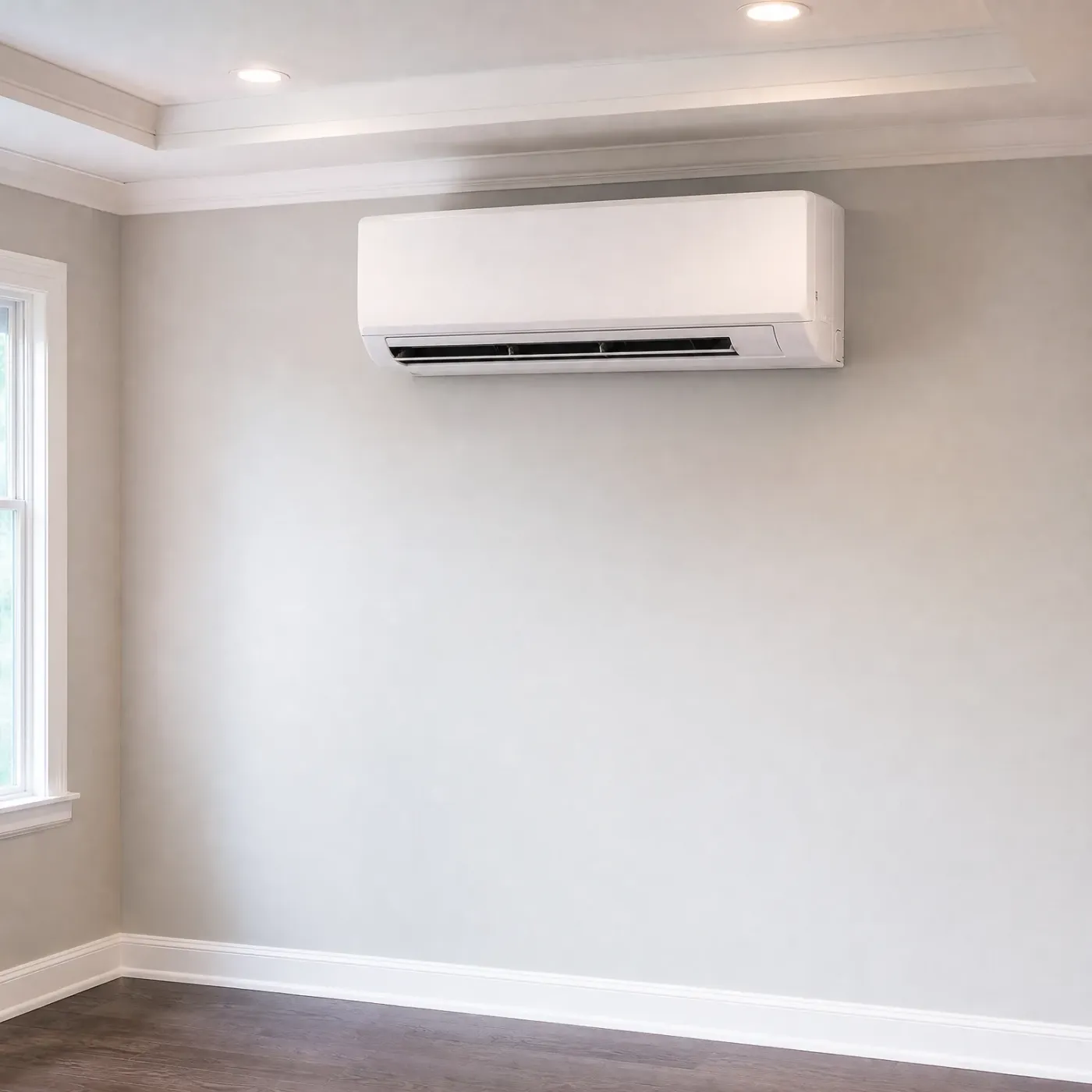

Cold, damp air moves across the outdoor coil and frost forms
A sensor reads the coil temperature and triggers the defrost cycle
The reversing valve switches the system into cooling mode briefly
Hot refrigerant gas routes outdoors and melts the ice off the coil
Why does the ice keep coming back on your unit
You probably noticed it on the outdoor unit first, a white crust across the coil, maybe thick enough to see from the window. Inside, the head might blow air that feels weaker than it should, or you hear the fan running longer than normal. If the ice never clears between defrost cycles, or it's building up the coil's full height, that's not a system handling a cold snap. That's heat it can't move into your house. Run it that way through a cold stretch here and the unit works harder for less warmth, which shows up on your electric bill even with Washington's low rates. Left alone long enough, ice sitting on the coil can also damage the fan blades or the fins behind it.
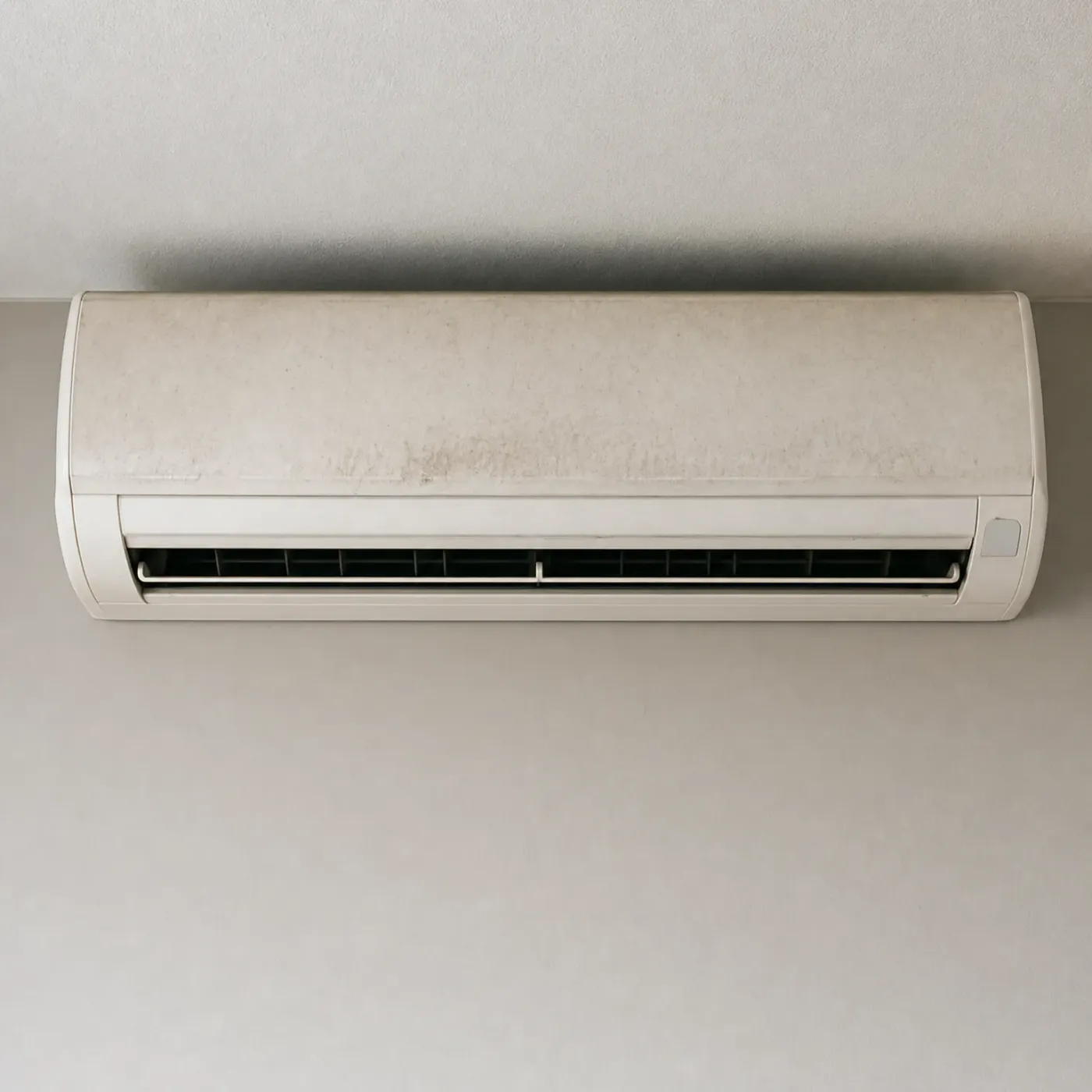
Get the right pro for your mini split
A mini split that keeps icing up past a few defrost cycles has a reason, and most of the time it is one of a short list: a refrigerant leak, a failing defrost sensor, a stuck reversing valve, or a coil so dirty it can't shed heat fast enough to melt itself clear. None of those clear up on their own, and running the system through another cold snap in that state puts more strain on the compressor. A contractor who works on mini splits all winter in Washington has seen which of those four shows up most and can usually tell from a few questions which one you're looking at. Getting matched here puts your request in front of one licensed local contractor, not a handful competing for your callback, so the person who reaches out is someone who already has a sense of your situation before they show up. With your heating running on electricity through the cold months, a unit stuck fighting ice instead of heating your house is worth sorting out now rather than waiting out the season.
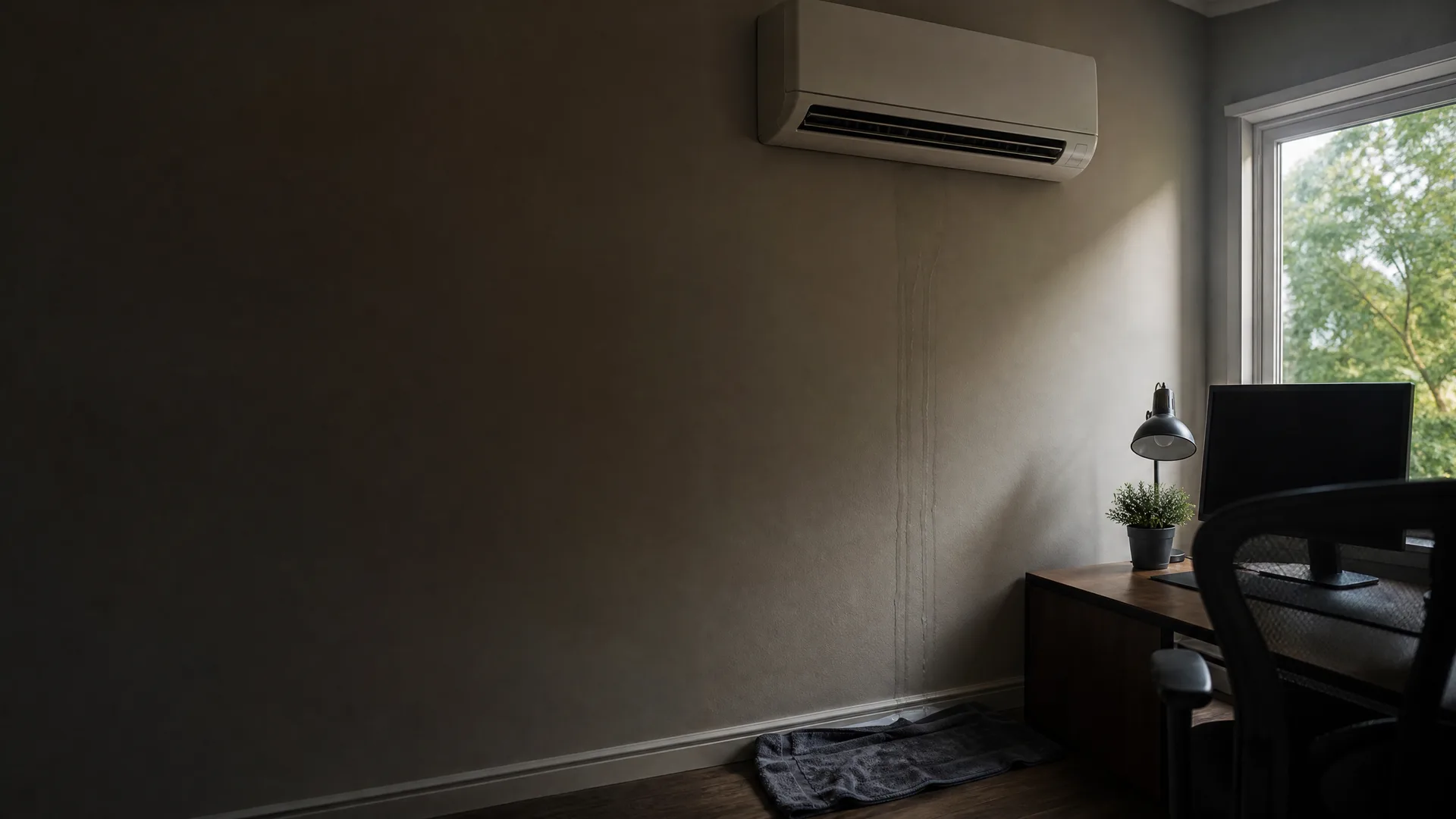
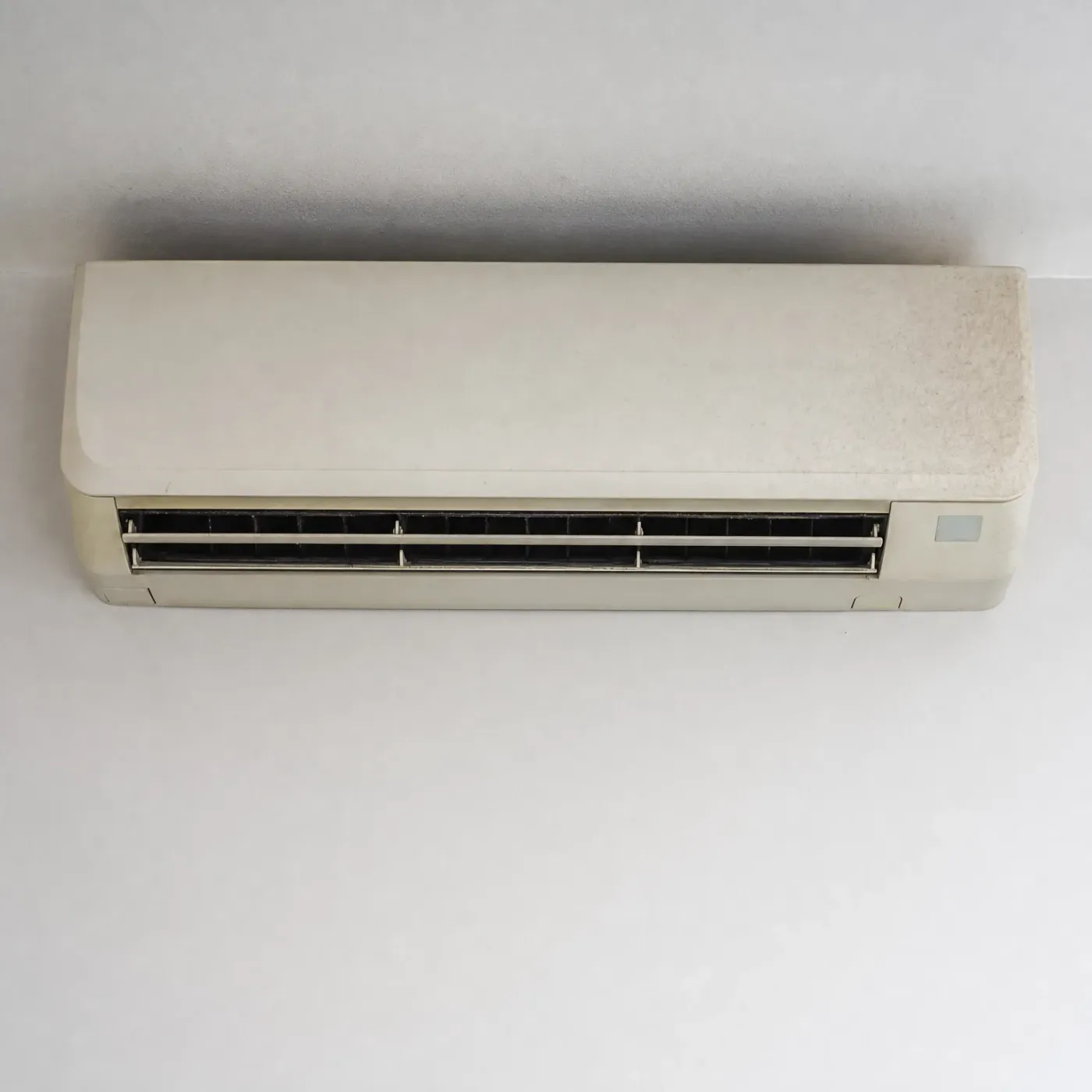
It's late afternoon and you're at the desk in the back room, the one with the mini split head mounted above the window. You notice the wall first, a dark streak running down from under the unit, soaking into the paint. Then the towel, already down and already wet, from the last time this happened. Outside it's a mild Washington summer, nothing the system should be straining against. The drip keeps time, landing on the same spot on the towel. You move the laptop off the desk, further from the wall, and go find a dry towel to swap in.
Power costs 13.17 cents per kilowatt-hour statewide
At 13.17 cents a kilowatt-hour, running your mini split's defrost cycle a few extra times a week costs you almost nothing. If yours is icing up past a normal defrost, the real cost isn't the power, it's the strain on a coil or sensor that isn't working right.
EIA-861 2025 statewide residential average
Washington's cold is wet, not dry
Winter air moving through Washington carries a lot of moisture, more than the dry cold you get east of the mountains. That moisture is what turns to frost on the coil in the first place. A mini split in a drier climate runs defrost less often because there's simply less water in the air to freeze. Here, the coil has more to shed every single cycle, which is normal, but it also means a coil that's dirty or a sensor that's slow to react has less room for error before ice starts building faster than defrost can clear it.
Electric heat raises the stakes
Most homes in Washington heat with electricity, often through the mini split itself. When a unit can't fully defrost, it pulls double duty to make up for weaker heat output, since a frosted coil can't transfer heat the way a clean one does. Power here is cheap enough that the extra draw won't jump out at you on a bill. The real cost shows up in the equipment, a coil or compressor working harder through a cold stretch to put out heat it can no longer move efficiently.

Ice that melts off on its own is doing what it's built to do
A little frost on the outdoor unit in a Washington winter is normal. Ice that stays, grows thicker, or comes with weak airflow or water where it shouldn't be means something underneath isn't working the way it should: a sensor, a valve, a coil that's gone dirty, or refrigerant that's leaked out. None of those fix themselves, and running the system while one of them fails just adds wear to parts already under strain.
Someone who works on mini splits all winter in this climate has seen which of those four it usually turns out to be, and knows how to check each one without guessing. Once you request a repair, you're matched with a licensed contractor local to your area who takes it from there. You'll hear from one contractor, not a handful, so you're not stuck fielding calls while you're trying to figure out why your unit won't stop icing up.



Mini Split Repair
A pro who works on mini splits
The pro who reaches out is licensed in Washington.