One ton covers roughly 400 to 600 square feet
That range shifts a lot based on insulation, window area, and ceiling height. It's a starting point, not the number your installer will use.

The right size for your mini split comes from a load calculation on your house, not a chart based on square footage alone. Washington's mild summers mean the cooling side of that calculation rarely drives the number. It's usually the heating load that matters most, since most homes here rely on electric heat and a mini split has to keep up on the coldest nights of the year, not just the warm ones. A contractor doing this correctly looks at your insulation, your windows, your ceiling height, and how your rooms are laid out, then sizes the unit or units to match. Get it wrong and you'll know it: a unit too small runs constantly and still can't keep the house warm when it's cold out, while one too large cycles on and off and leaves rooms feeling clammy or uneven. The right size keeps everyone at home comfortable without the system straining to get there.
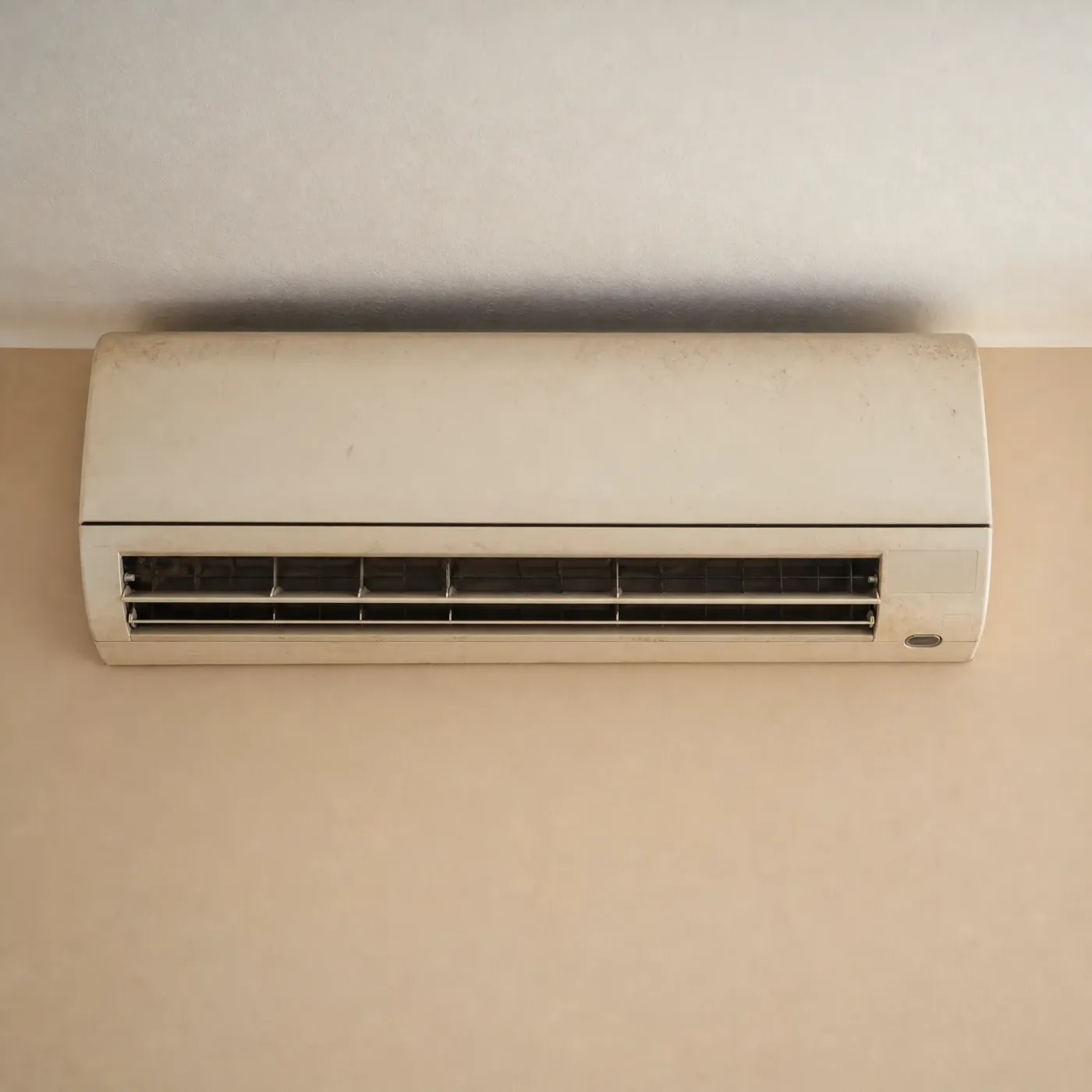
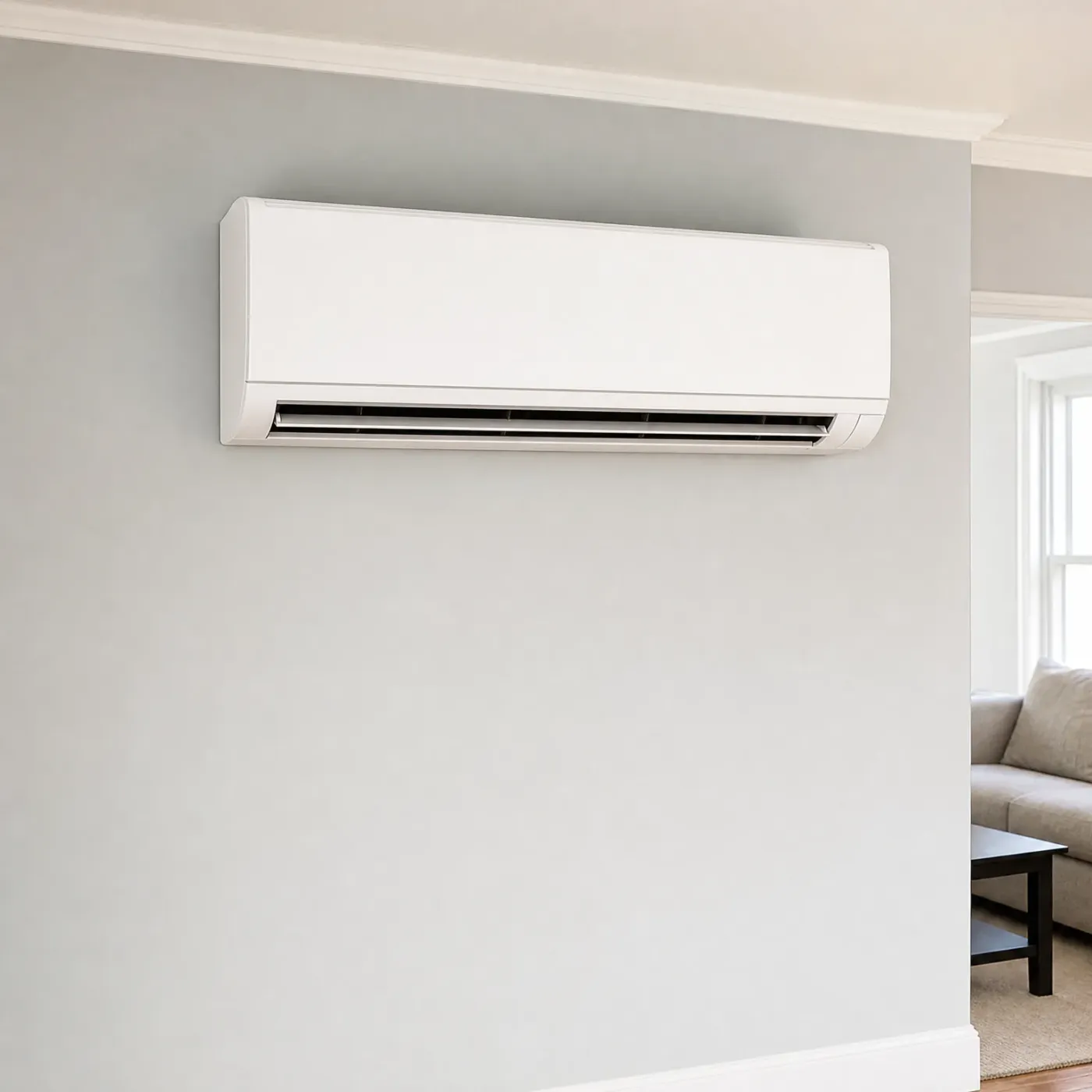
That range shifts a lot based on insulation, window area, and ceiling height. It's a starting point, not the number your installer will use.
A mini split that's too big for the room shuts off before it pulls moisture out of the air, then kicks back on. That's harder on the compressor over time.




A mini split that's too small runs flat out on the coldest days in January and still can't keep the rooms farthest from the head warm. You'll notice it first in the room furthest from the unit, or upstairs if the house has two floors. Since most homes here heat with electricity, that unit running nonstop doesn't just fall short on comfort, it runs up your bill doing it. Right sizing matters more on the heating side than the cooling side, since that's the load that actually drives the number for a Washington home.
A mini split that's too big cools the room fast, shuts off, and kicks back on again a few minutes later. That short cycling leaves the air feeling damp and uneven, and it wears on the compressor over years of starts and stops. Summers here are mild enough that an oversized unit rarely runs long enough to settle into a steady rhythm. You end up paying more upfront for capacity your house doesn't need, on either the heating or cooling side.



Summer air here holds a dew point around 53°F, according to NOAA climate averages, which is dry enough that it rarely feels sticky even on the warmest afternoons. That matters for sizing because a mini split pulls moisture out of the air as it cools, and when the air starts out dry, there's less of that work to do. A unit sized for your heating load will handle summer cooling without strain. It's the cold months that set the number you actually need, and getting that number right takes a proper load calculation, not a guess based on square footage. A contractor matched to your house can work out that figure once, so you're not calling around to several installers and repeating the same details to each one.
NASA POWER T2MDEW county cells weighted by homes
Fill out one short form instead of calling around.
Sending the form costs nothing.
A single oversized head can still leave one room cold because the thermostat reads the temperature near the unit, not in the bedroom down the hall.
A multi-zone system sized room by room puts a head where the cold actually is, so the bedroom down the hall gets its own thermostat instead of a guess.
Since your house likely heats with electricity, sizing hits your bill directly. At 13.17 cents per kilowatt-hour, a mini split that's too big or too small wastes power every month it runs, not just in January.
EIA-861 2025 statewide residential average
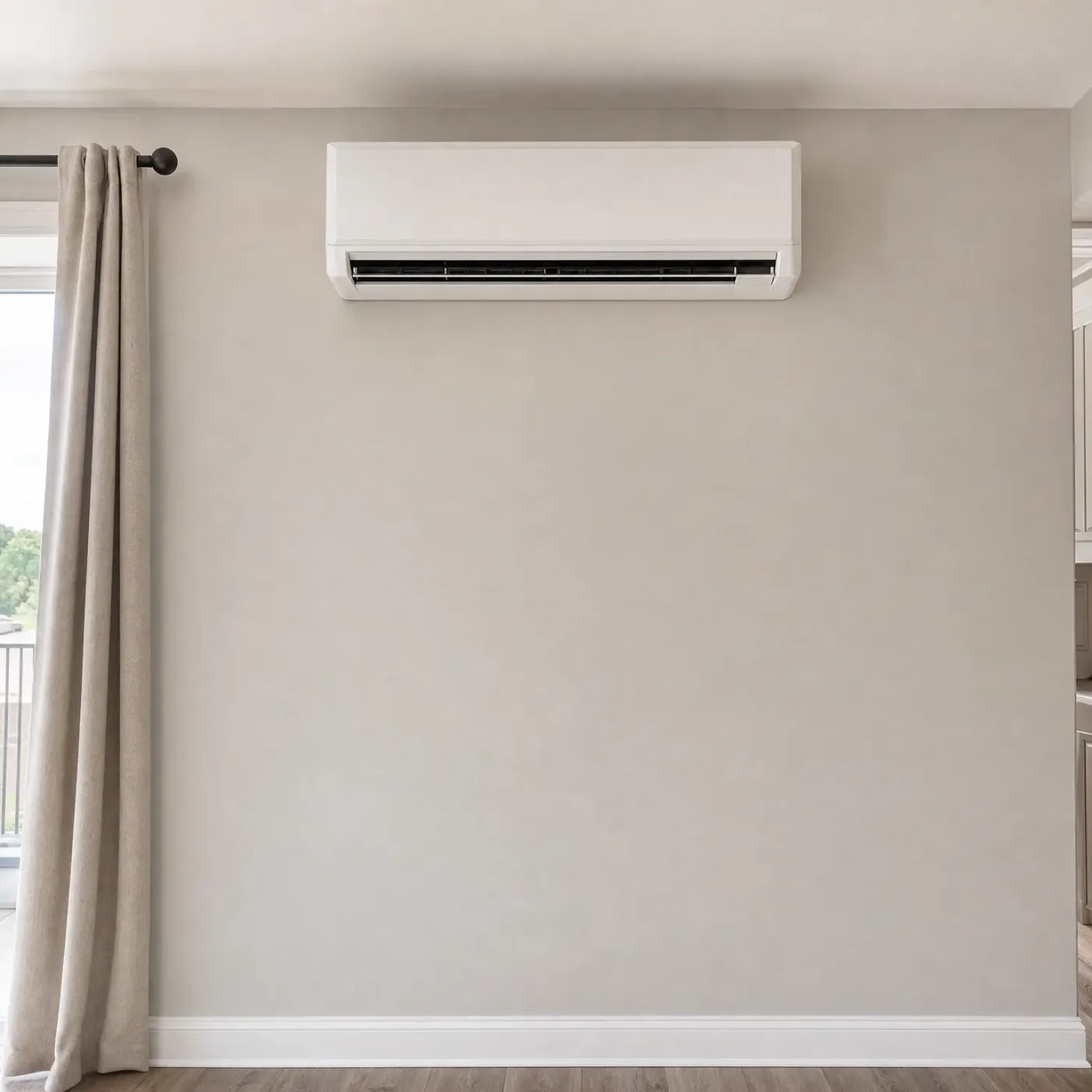
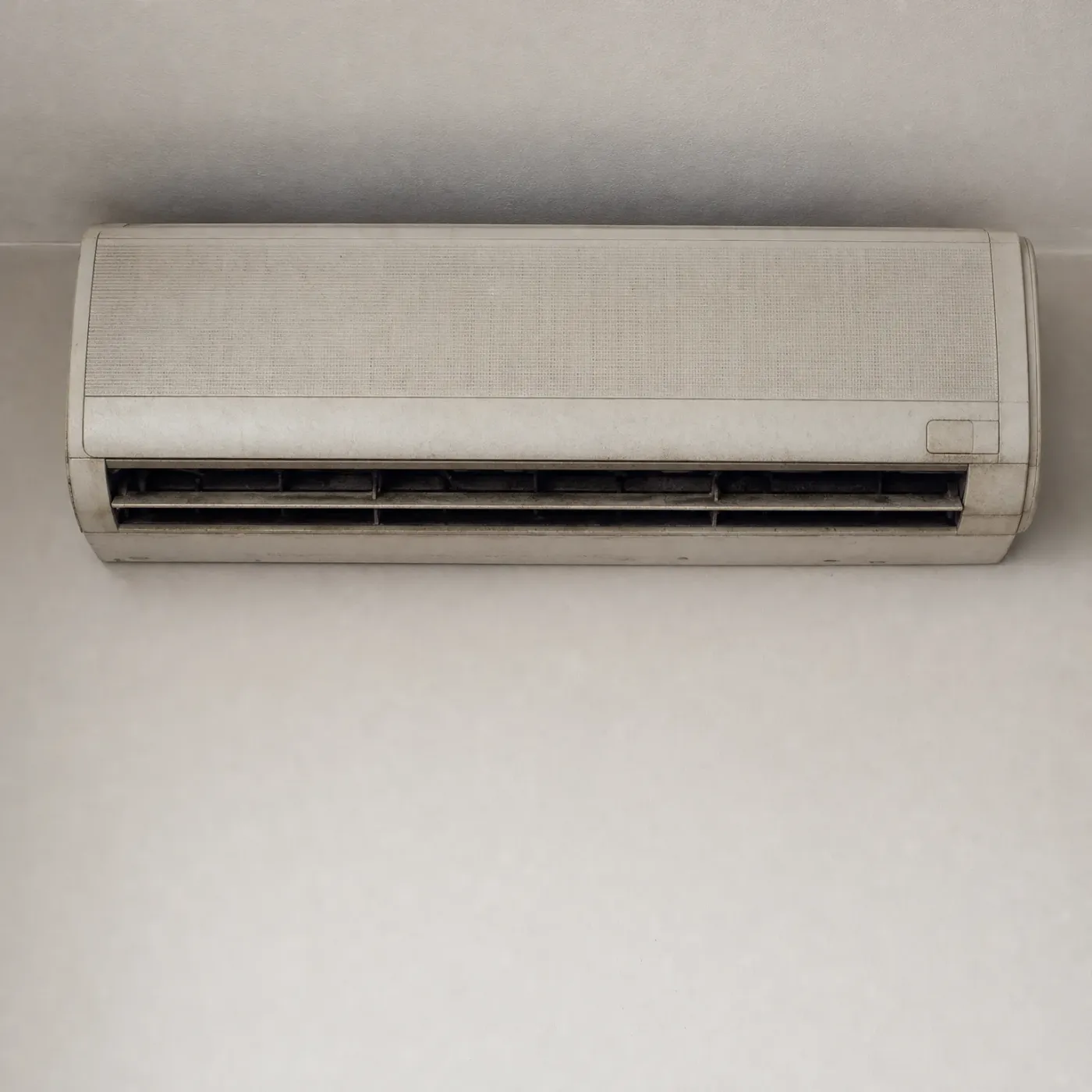
A mini split sized for your house, not a generic chart, is what keeps every room comfortable through a Washington winter. The calculation has to account for your home's heating load first, since that's what drives the number here, with the mild summer cooling load playing a much smaller part. Get it wrong on the small side and the unit runs flat out on the coldest January days without ever catching up in the rooms farthest from the head. Get it wrong on the big side and it short cycles, turning on and off before it settles into a steady temperature, so the room never quite feels even. A multi-zone setup, sized head by head for each space, solves what a single oversized unit can't fix on its own. Since most homes here run on electricity, this isn't a one-time concern. A mismatched system keeps costing you on every bill, every month it runs, not just the coldest week of the year.
Finding a contractor who'll actually run that load calculation instead of guessing off square footage takes some digging. It usually means calling around, explaining your house and your situation to each one, waiting on quotes, and comparing them against each other without much to go on. You don't have to do that part. Once you know what you're looking for, the next step is getting matched with a contractor who installs mini splits in homes like yours and having them reach out to you directly.





Explain the job once and skip repeating it on every call.
You're not committing to anything by asking.