Running clean
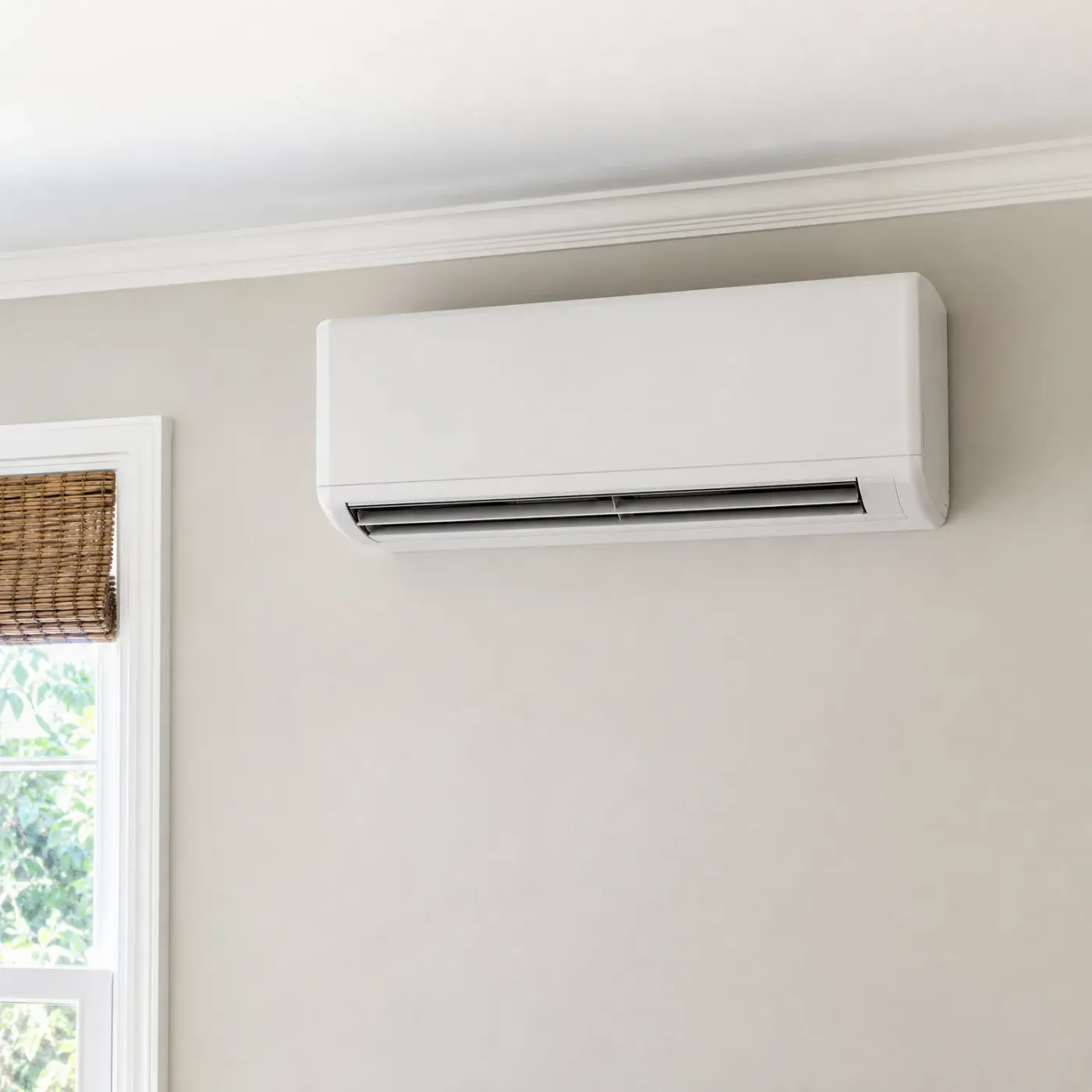
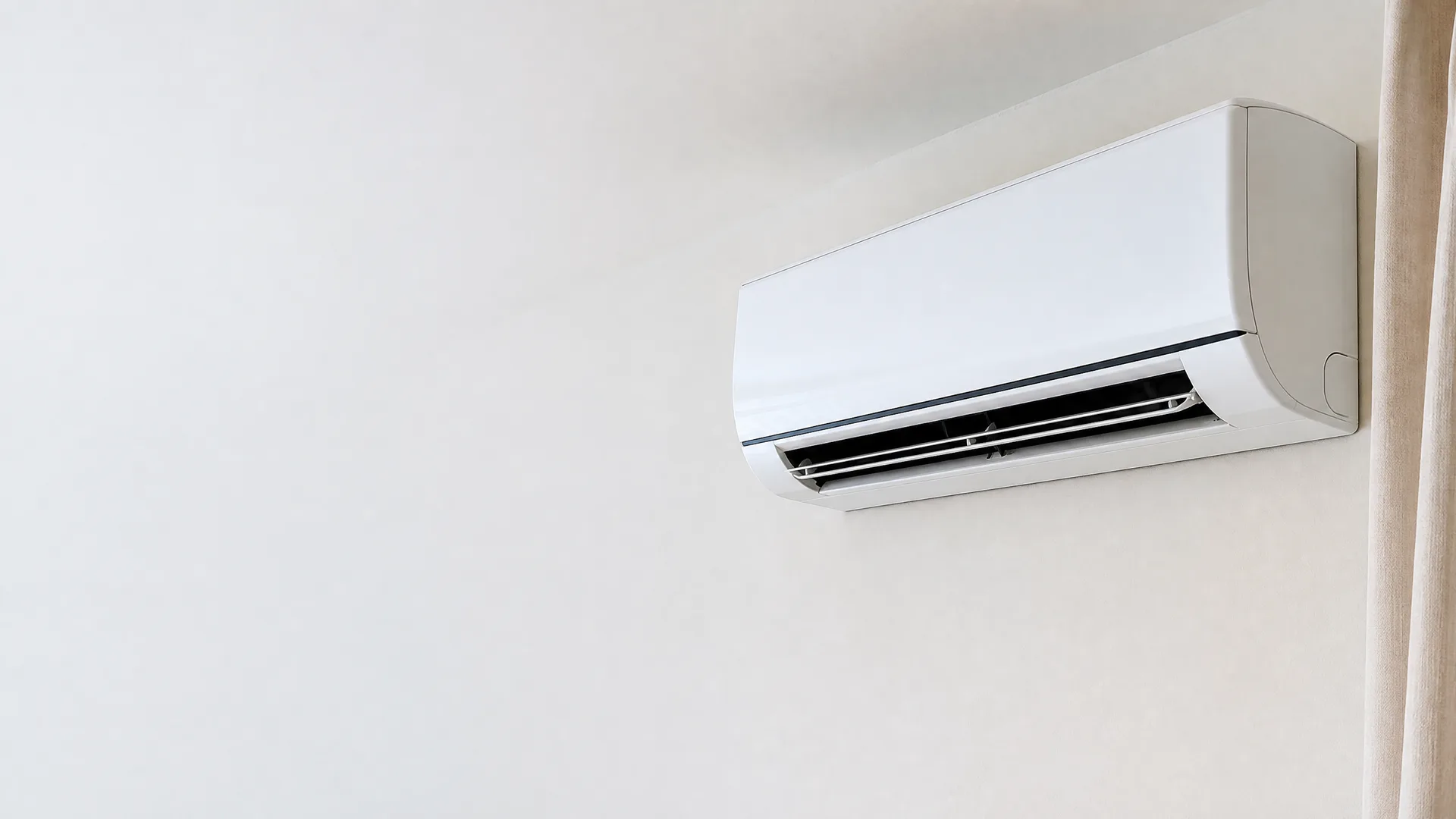
This is what a mini split looks like doing its job. Air moves out of the vent without a push behind it, and the room holds the temperature you set. A unit kept up like this runs the way it was built to run, season after season.

A mini split tune-up covers the indoor and outdoor units both. A contractor cleans the indoor coil and the blower wheel, since dust and mold buildup there is what cuts down airflow and lets odors spread through the room. The outdoor unit gets its coil cleaned too, and the fan and refrigerant lines get checked. They'll check the filters, the drain line for clogs, and look at the electrical connections and refrigerant charge. Since most homes in Washington heat with electric heat pumps including mini splits, this matters more here than in places that rely on gas furnaces for winter. A mini split that's run down pulls more power to do the same job, and in a cold snap a dirty coil can mean the difference between a unit that keeps up and one that can't. Catching a weak part or a clogged drain now means it doesn't turn into a breakdown when you need heat or cooling the most.
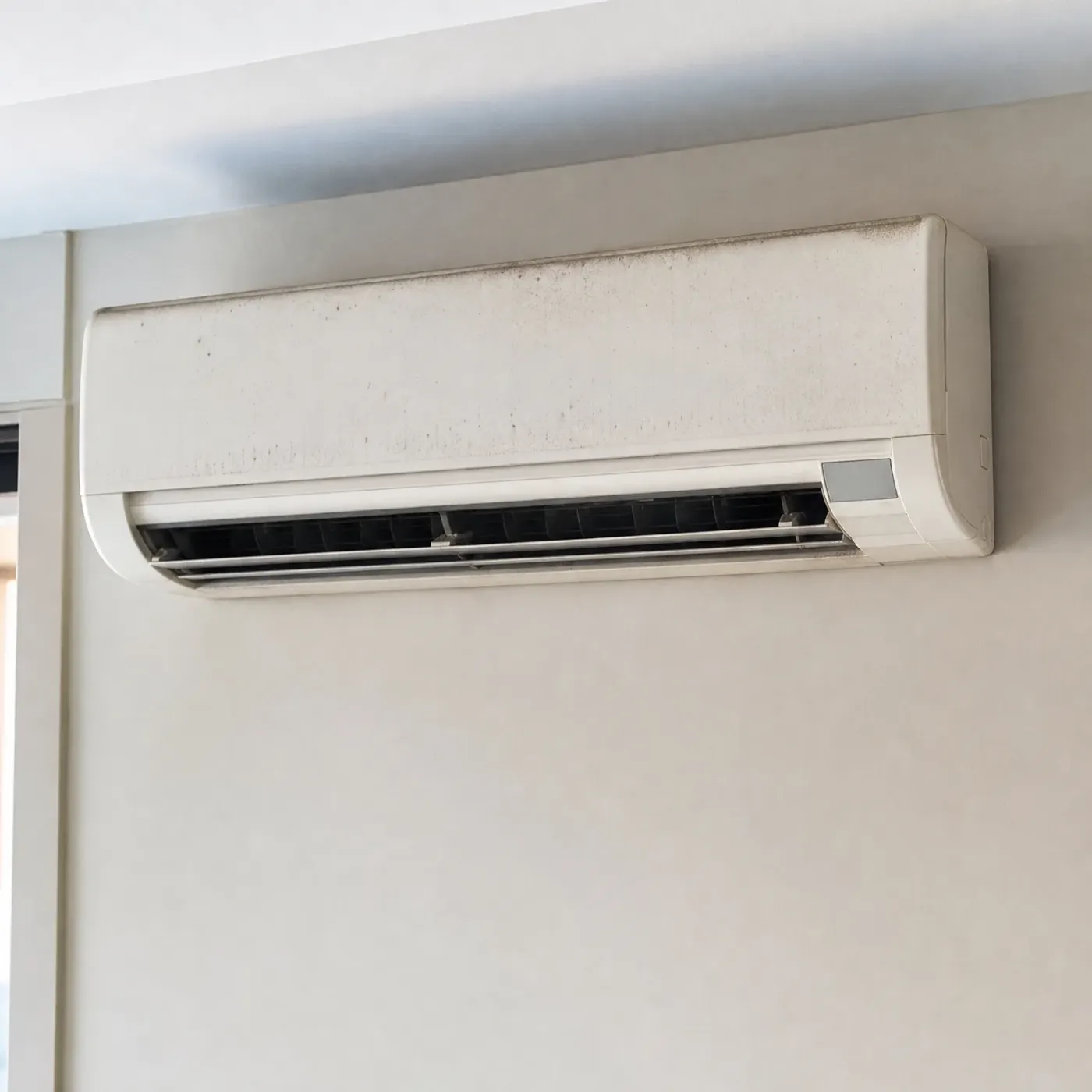
If the head in that room runs a long time and the air coming out feels weak, or the room never quite gets where you set the thermostat, the filter or the coil behind it is probably dirty. You might notice a musty smell when it first kicks on, or water dripping near the unit instead of draining outside. Some homes here heat with the mini split all winter, so a unit that's straining doesn't just cost you comfort in one room, it costs more on the power bill every month it runs that way. Left alone, the coil can ice up or the drain can back up and leak onto the wall or floor below it.

This is what a mini split looks like doing its job. Air moves out of the vent without a push behind it, and the room holds the temperature you set. A unit kept up like this runs the way it was built to run, season after season.
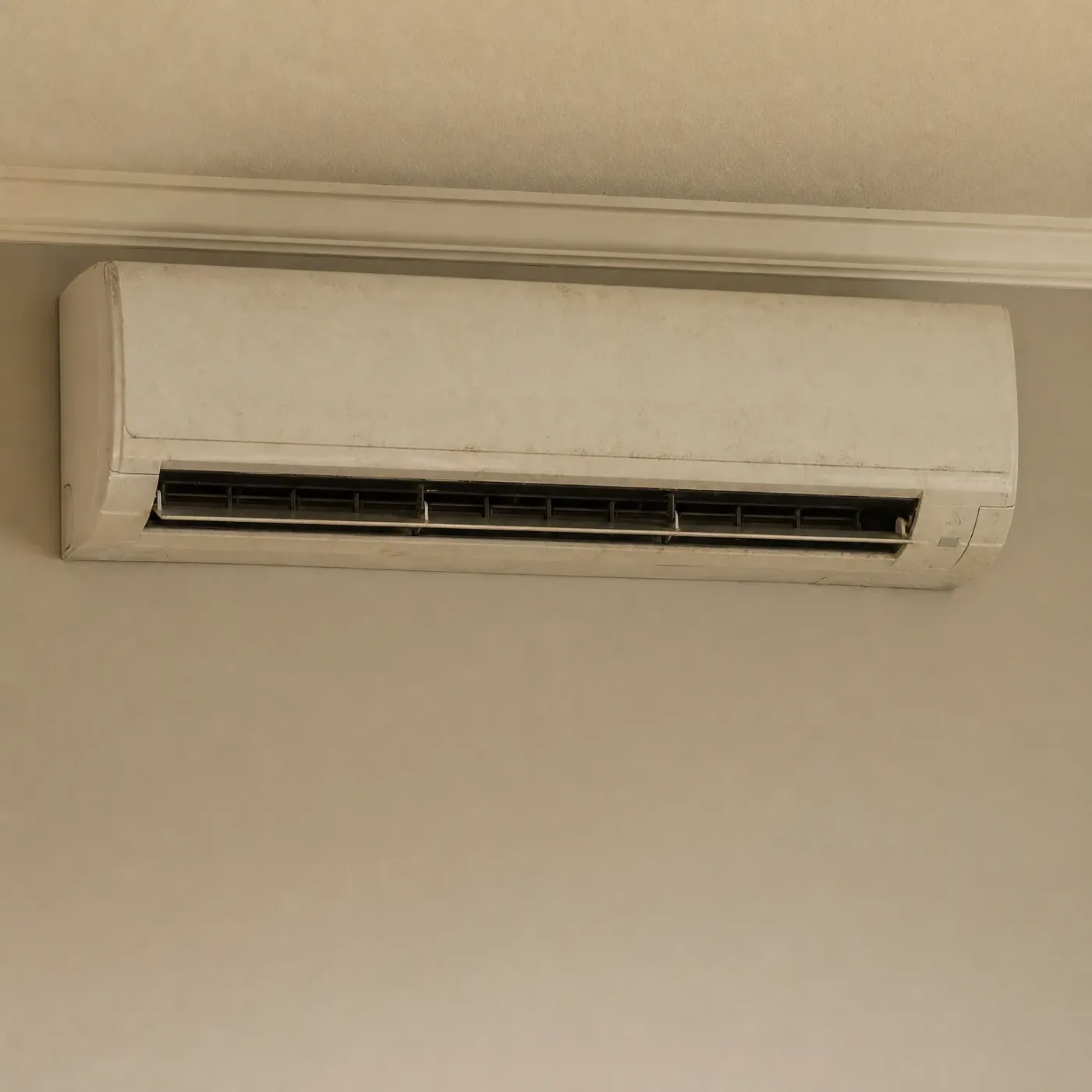
Dust has built up on the casing and worked its way into the louvers. Inside, the coil behind that grille is likely caked the same way, and the blower wheel with it. A unit in this shape has to run longer to put out the same amount of cooling or heat, and a contractor who services it that same season can usually tell you why before it gets worse.
You know the basics by now: dust on the coil, a weak head, a musty smell. What you want to know is what a contractor actually does during a tune-up, step by step, not just the reason it matters. If you're going to pay attention to this unit before something breaks, you want to know what's really getting looked at.
A contractor checks the refrigerant level first, since a mini split that's low on charge will run long and still underperform no matter how clean the coils are. The condensate drain line gets checked next, because a clogged drain backs up into the indoor unit and drips into the room instead of outside. Electrical connections at the outdoor unit get tightened, since a loose connection there is a common reason a unit trips off on its own. The outdoor fan motor gets checked for play and noise. With power here as cheap as it is, most of what you'd notice from a problem shows up as comfort, not your bill, which is why these checks matter more than people expect.
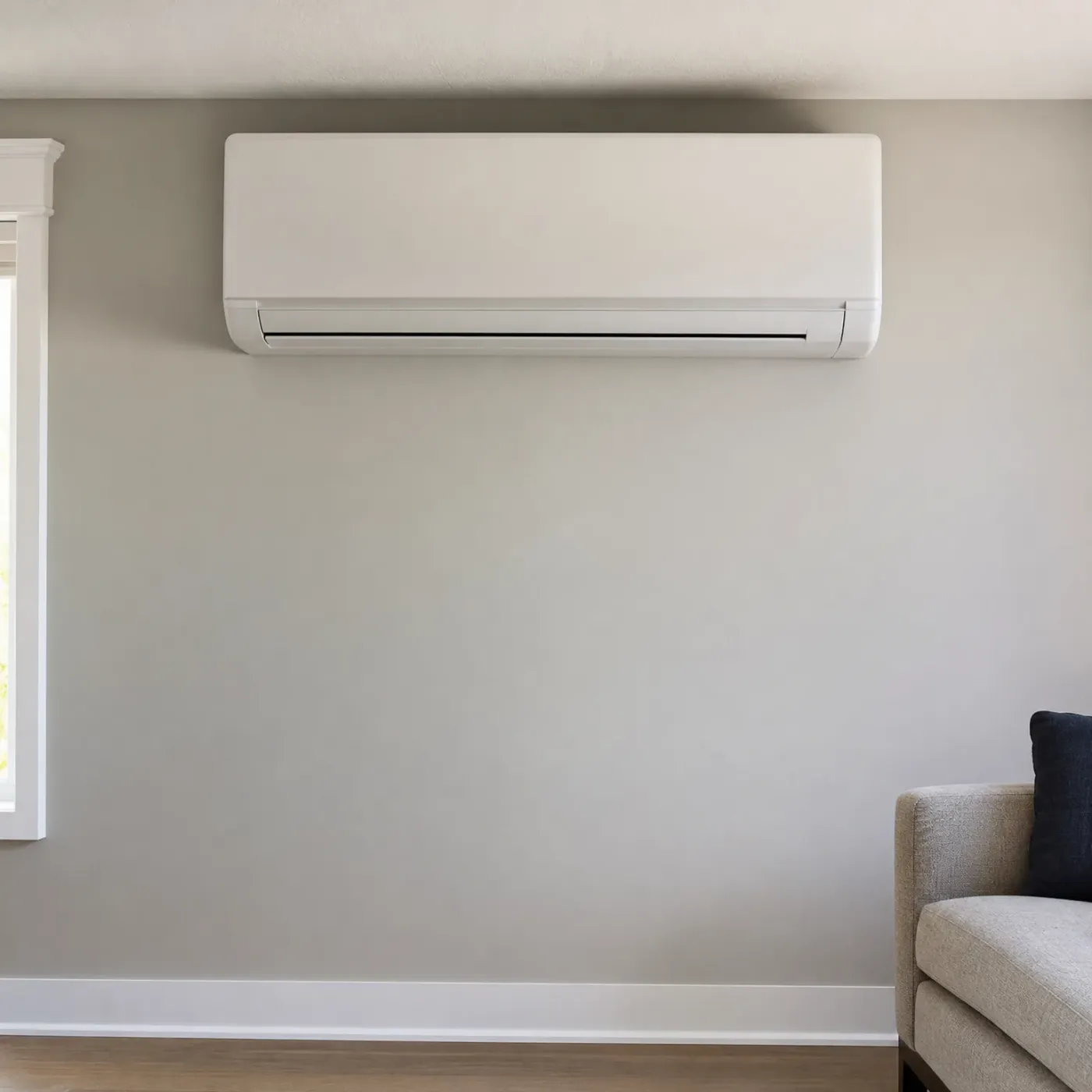
A head like this is moving air without a fight. The coil behind the cover is clear, so the room cools fast and the unit cycles off instead of running nonstop. With electric heat costing what it does in Washington, a unit running efficiently keeps that bill down too.
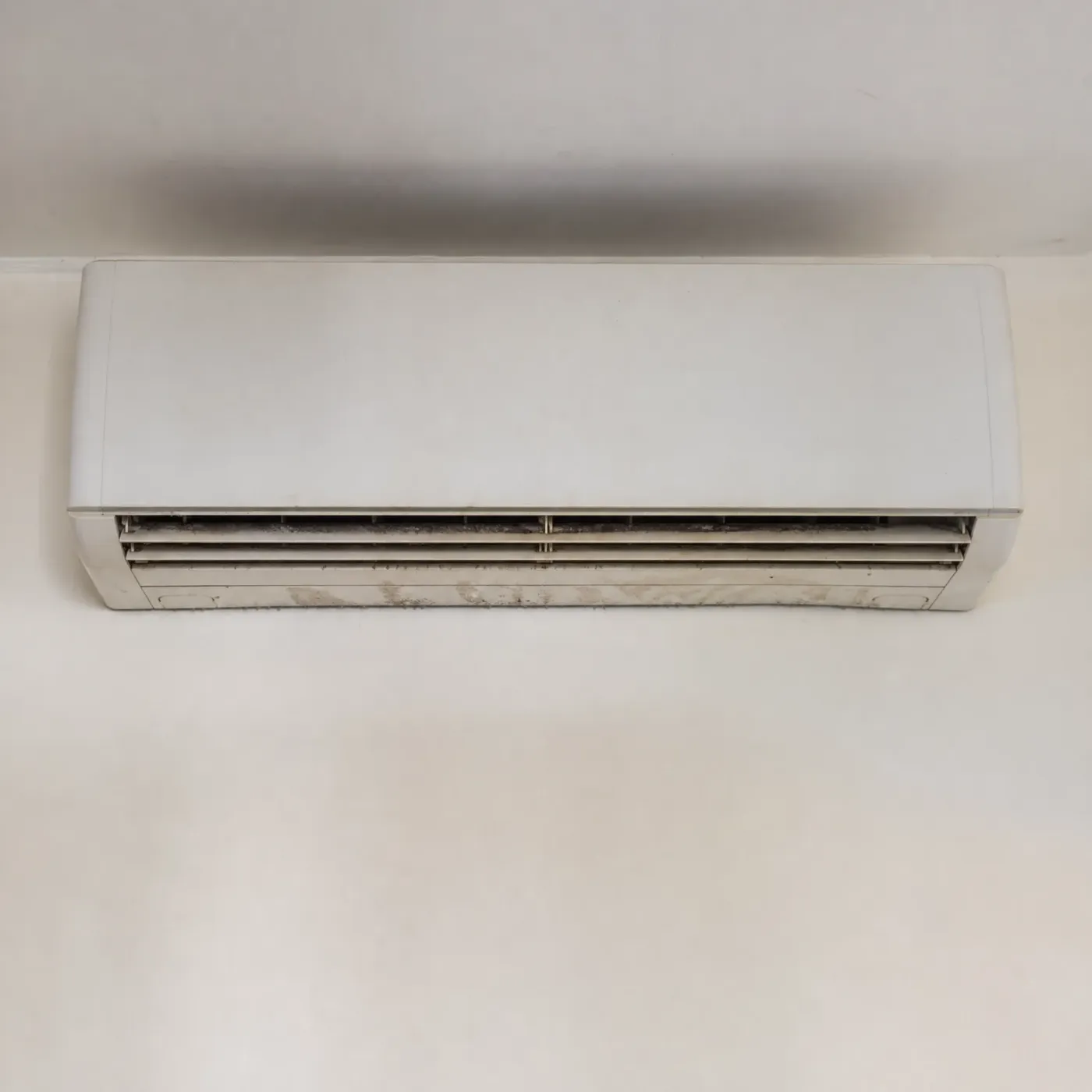
That buildup along the vents didn't happen overnight. Dirt and mold on the casing usually mean the filter hasn't been cleaned in a while and the coil behind it is in the same shape. Left alone, the unit works harder for less cooling, and that smell gets into the air it pushes out.





Your request stays with one local pro.
A local pro who knows mini splits gets your details and gets in touch.
It costs nothing to send, and you don't have to hire anyone.

A mini split moves heat instead of making it, so the line set between the indoor head and the outdoor unit carries refrigerant in both directions depending on the season. A contractor checks the line insulation and the connections at both ends for wear. A line that's losing refrigerant slowly won't trip any alarm. The head will just take longer to reach the temperature you set, and run longer doing it.
Every indoor head pulls moisture out of the air and drops it into a small drain pan, then out through a condensate line. That line can clog with the same dust and mold that builds up on the coil. A clogged drain backs up into the pan and can drip from the unit or shut it down on its own. Clearing that line is part of a tune-up most homeowners never think to ask about.
At 13.17 cents a kilowatt-hour, every bit of strain on your mini split shows up on the bill fast, especially if it's running your heat all winter. A dirty coil or a clogged filter makes it work harder to hit the same temperature, and that extra run time costs you at that rate every month.
EIA-861 2025 statewide residential average

A clean coil, a clear filter, a blower wheel free of dust, that's what keeps a mini split running the way it did when it was new. You've seen what happens when any of that gets skipped: a head that runs long without cooling the room, a smell that shows up before anything else does. None of it takes much to catch, which is the point of checking it once a year instead of waiting for a room to tell you first.
If you'd rather have someone local handle it than track filters and coils yourself, the next step is getting matched with a contractor in Washington who services mini splits regularly and knows which parts tend to go first on these units. You'll hear from one contractor, not several, so there's no pile of calls to sort through after you ask.






A licensed local pro takes the request for your mini split tune-up.
No charge to send it. You decide if you hire them.