Should a mini split run all winter in Washington

A white wall-mounted mini-split air conditioner indoor unit centered against a plain light gray background.
Skip the calls

Should my mini split run all winter in Washington?

Most homes in Washington heat with electricity, and a mini split is built to do that job, not just cool. You're wondering if you should keep it running through the cold months or switch to something else, maybe because it feels odd leaning on a unit you think of as an AC, or because you want to know if that's what wears it out.

Yes, your mini split is built to run all winter here

A mini split is a heat pump. It pulls heat from the outside air and moves it inside, and it keeps doing that down to temperatures well below freezing, which covers almost anywhere in Washington. With power here cheap, running it through the winter instead of switching to baseboard or a space heater is usually the cheaper way to stay warm. The one thing that matters more in winter than summer is keeping the outdoor unit clear. Frost, ice or debris around it make it work harder and pull more power to do the same job. Running it daily doesn't shorten its life on its own. What shortens it is running it without anyone checking the coils, the filter and the outdoor unit each year.

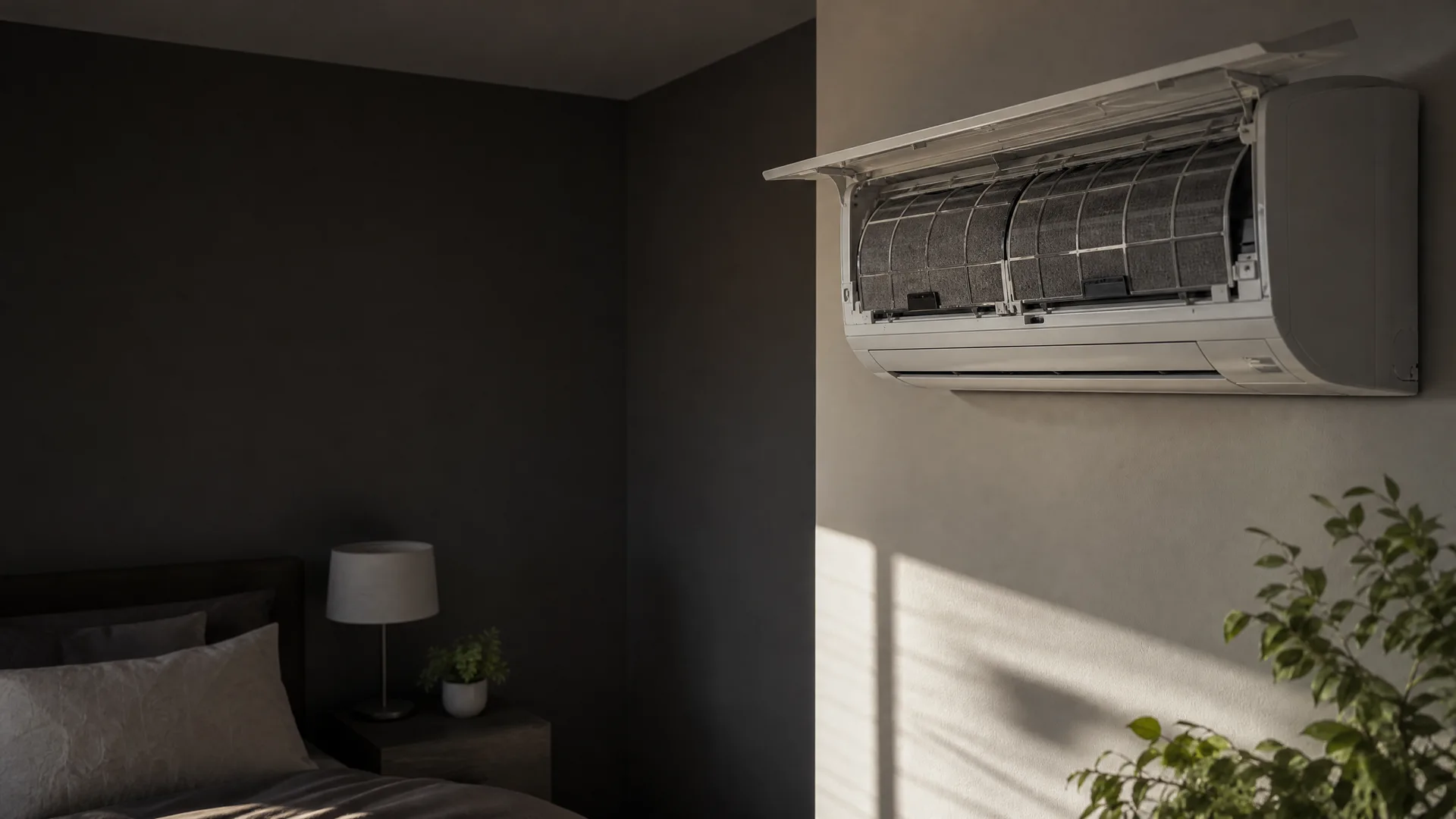
A wall-mounted mini-split air conditioner with its front cover open exposing the filters, in a dim bedroom with a bed, nightstand lamp and a potted plant.

Spring finally shows up, and you pull the cover off the indoor unit to let it breathe before summer. The filter screen comes out grey, matted with a winter's worth of dust. You run a thumb across it and barely feel the mesh underneath. You think back to January, the unit running most nights to keep the bedroom warm, pulling room air through that same screen the whole time. Nobody looked at it once the cold set in. Now you're holding it up to the window light, wondering how much it was straining to push air through all those months, and what else back there hasn't been checked since the leaves turned.
Run It Or Back It Up

Run It All Winter

  • A mini split moves heat instead of making it, so it costs less to run than electric baseboard or a furnace on most days.
  • The outdoor unit keeps working down into cold temperatures, as long as the coil stays clear of ice and the filter stays clean.
  • You get even heat in the room it serves without waiting on ductwork to warm up or a furnace to cycle on.
  • Skipping maintenance before winter means the clogged filter you found in spring keeps restricting airflow the whole season.
  • Leaving the outdoor unit buried in leaves or snow forces it to work harder and can trip it into a fault.

Switch To Backup Heat

  • On the coldest nights, a mini split's output drops, and a second heat source can carry the load it can't.
  • Electric baseboard or a furnace already in the house can take over without you troubleshooting the mini split first.
  • Switching sources during a cold snap means the mini split sits idle, which does nothing to catch a problem building in it.
  • If the unit hasn't been serviced, you won't know whether it's struggling from a dirty coil or just from the cold.
  • Relying on backup heat all winter means the mini split earns its keep for only part of the year you paid for it.
A woman in a cream sweater with her hair in a bun laughs while seated at a stone counter holding a glass of red wine, in a dimly lit interior with a sofa, houseplants and a large window at night.
A woman with long dark hair in a cream knit sweater laughs while looking off to the side, seated in front of a dimly lit kitchen with an island, stools, open shelving and a potted plant, with a glass of red wine in the foreground.
A smiling woman with long dark wavy hair in a light knit sweater sits at a marble counter with a glass of red wine, with a dimly lit living room and kitchen in the background.
A smiling woman with long wavy brown hair in a beige sweater sits at a white marble counter with a glass of red wine, with a living room, dining table and kitchen cabinets behind her.
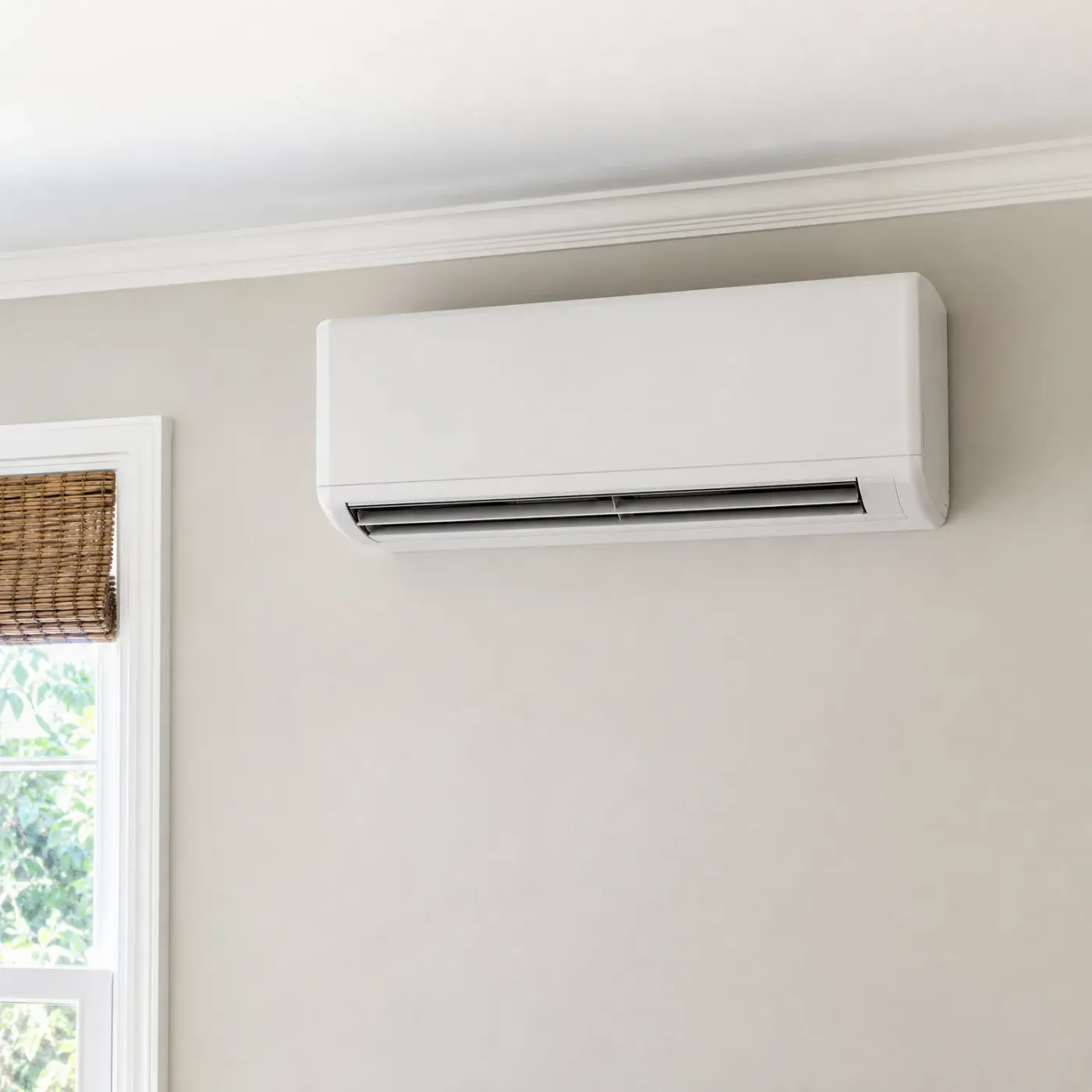
A white wall-mounted mini-split air conditioner unit installed high on a beige interior wall below white crown molding, with a window and woven shade at the left edge showing green foliage outside.
A clean mini split like this one pulls in air easily and keeps the coil free to do its job all winter.
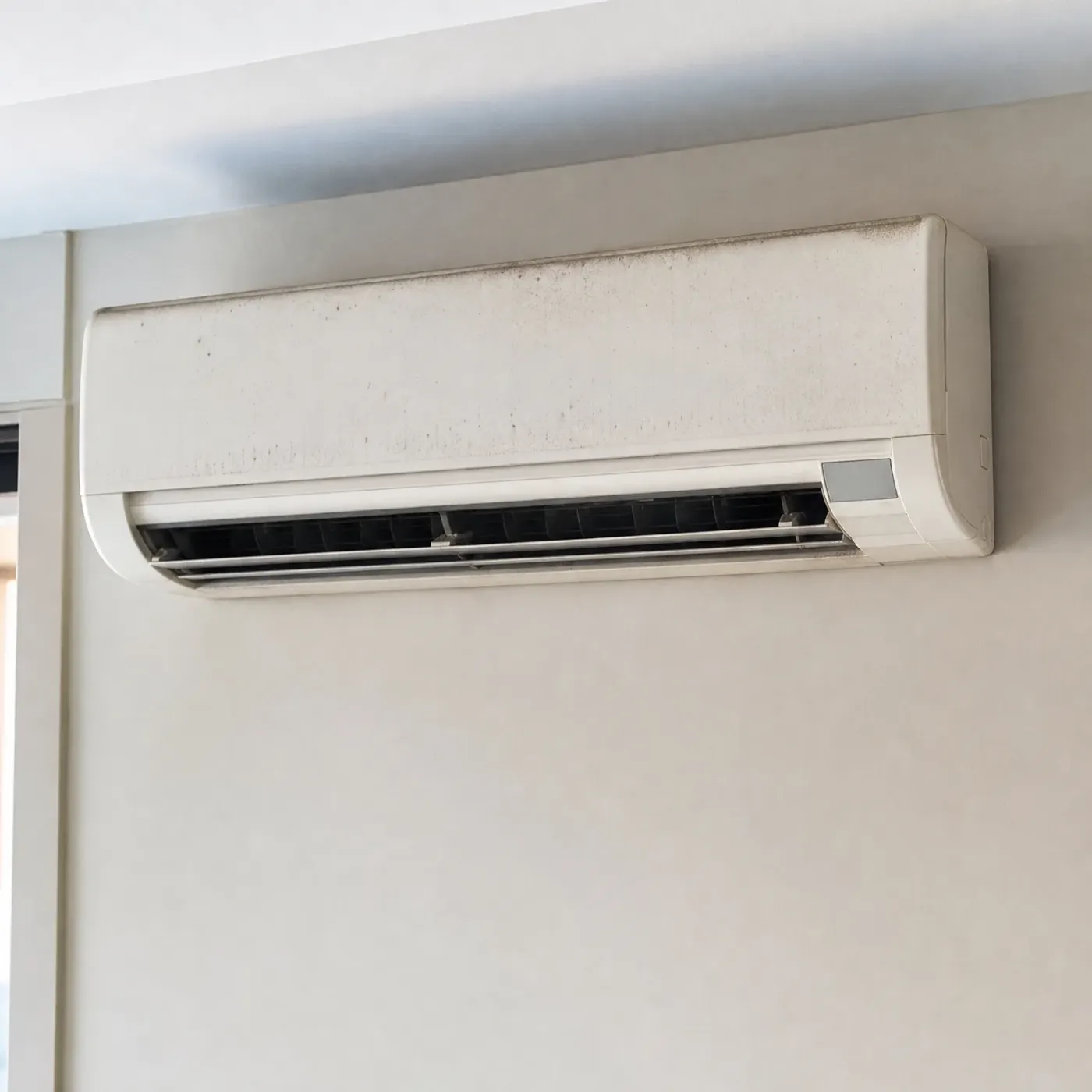
A dusty, stained white wall-mounted mini-split air conditioner indoor unit installed high on a plain off-white interior wall near the ceiling.
Dust like this chokes airflow, so the unit works harder for less heat and wears out sooner.

The outdoor unit isn't making heat from nothing. It's pulling it out of the outside air, even on a cold day, and sending it inside through the refrigerant line. That's why the outdoor coil needs clear airflow and why the fan behind it runs all winter. When the outside air gets cold enough, the coil can frost up, so the system pauses to run a defrost cycle and melt the ice off. You might feel a few minutes of cooler air from the indoor unit when that happens. That's normal, not a sign anything's wrong. Inside, the air crosses the filter screen before it reaches the indoor coil. A filter packed with dust or pet hair makes the fan work harder to push the same amount of air through, and that shows up as less heat and a higher bill. The compressor itself is built to adjust, speeding up or slowing down depending on how much heat the room actually needs, rather than just switching on and off. Low refrigerant throws that balance off, since the unit draws the same power but moves less heat with it.

How your mini split makes heat

  • A mini split heats by pulling heat out of the outside air and moving it indoors, even when it's cold out.
  • Below a certain outdoor temperature, the unit kicks into a defrost cycle to melt any ice off the outdoor coil, which can briefly send cool air inside.
  • The indoor unit's filter screen catches dust and pet hair before the air crosses the coil, and a clogged one makes the whole system work harder.
  • Refrigerant inside the lines carries the heat from the outdoor coil to the indoor coil, and low refrigerant means less heat delivered for the same power draw.
  • The outdoor fan keeps running all winter to pull air across the coil, so anything blocking it, like a snowdrift or leaves, cuts into how well it heats.
  • A mini split's compressor adjusts its speed to match how much heat the room needs, instead of switching fully on and off like a furnace does.
A white wall-mounted mini-split air conditioner indoor unit with dark louvered vents, installed near the ceiling on a beige wall below white crown molding.
Before you get your mini split maintenance
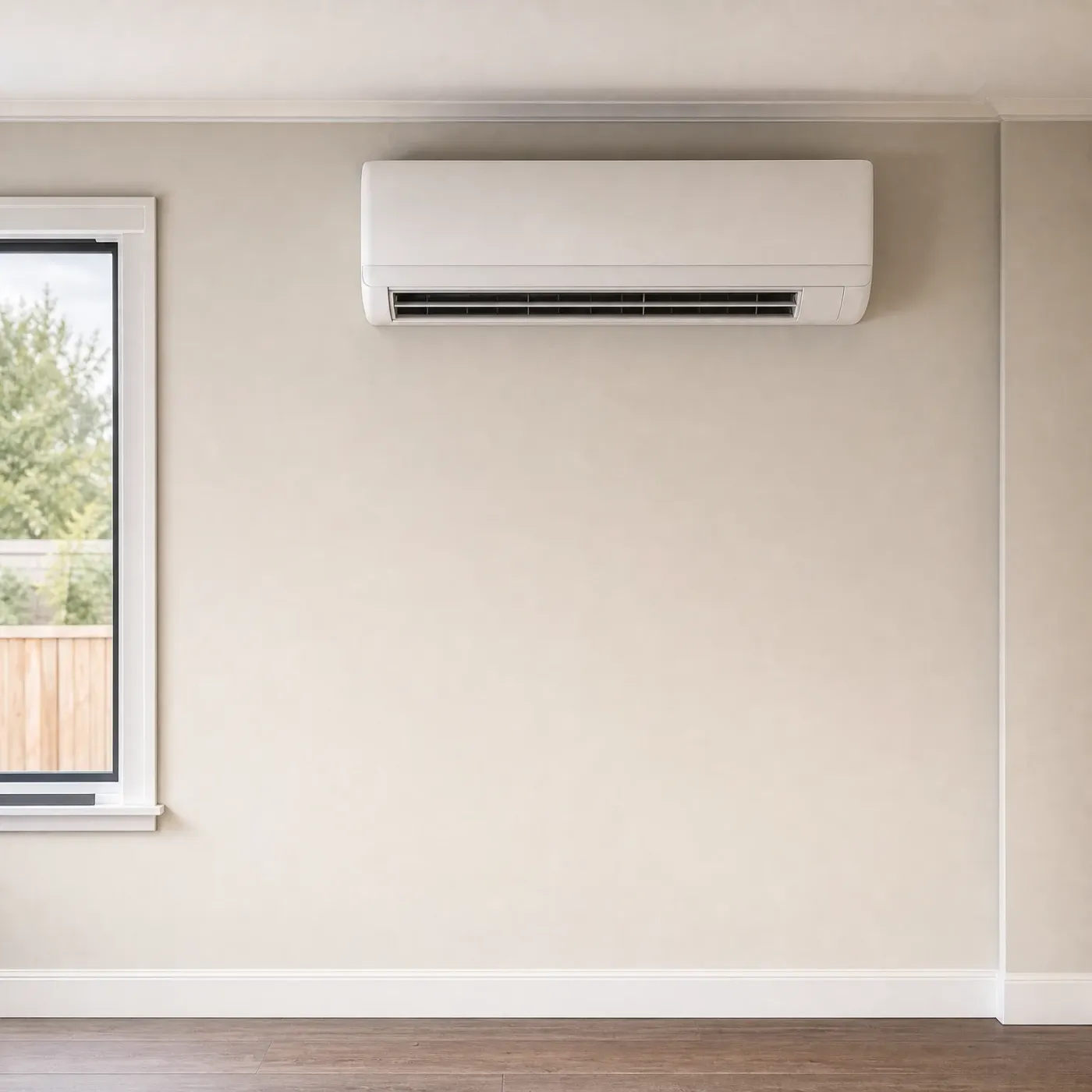
A white wall-mounted mini-split air conditioner on a beige interior wall, with a window at left showing trees and a wooden fence, and dark wood flooring below.
After you get your mini split maintenance

A mini split that's run hard all winter builds up dust on the indoor coil and filter faster than one that only cools in summer, since it's working more months of the year.

A dirty coil can't give up its heat to the air moving past it, so the unit runs longer to hit the same temperature and the power bill shows it.

A bearded man in a dark navy sweater over a collared shirt smiles and looks off to the side while seated at a dinner table with a glass of red wine, a lit candle, and a plate of food in the foreground of a dimly lit room.
A woman in a dark gray sweater reclines on a couch with her eyes closed and a knit blanket over her lap, an open book resting face-down in front of her, with a lit table lamp and shelving blurred in the background.

No phone calls to make

You've got the filter cleaned and the ice checked, but a mini split running from October through April, instead of just the warm months, needs more than a quick look twice a year. Finding someone who actually works on these units, rather than a furnace outfit that also "does" mini splits, usually means a string of calls, repeating the brand and model, and sorting quotes that don't match up. Hand this off instead. The request goes to one licensed contractor local to Washington, someone who services this equipment all year here and knows what a unit that runs through the cold usually needs, not five companies racing to call you back. You keep the system that's already right for your home running the way it's supposed to, without spending your afternoon finding out who's qualified to touch it.

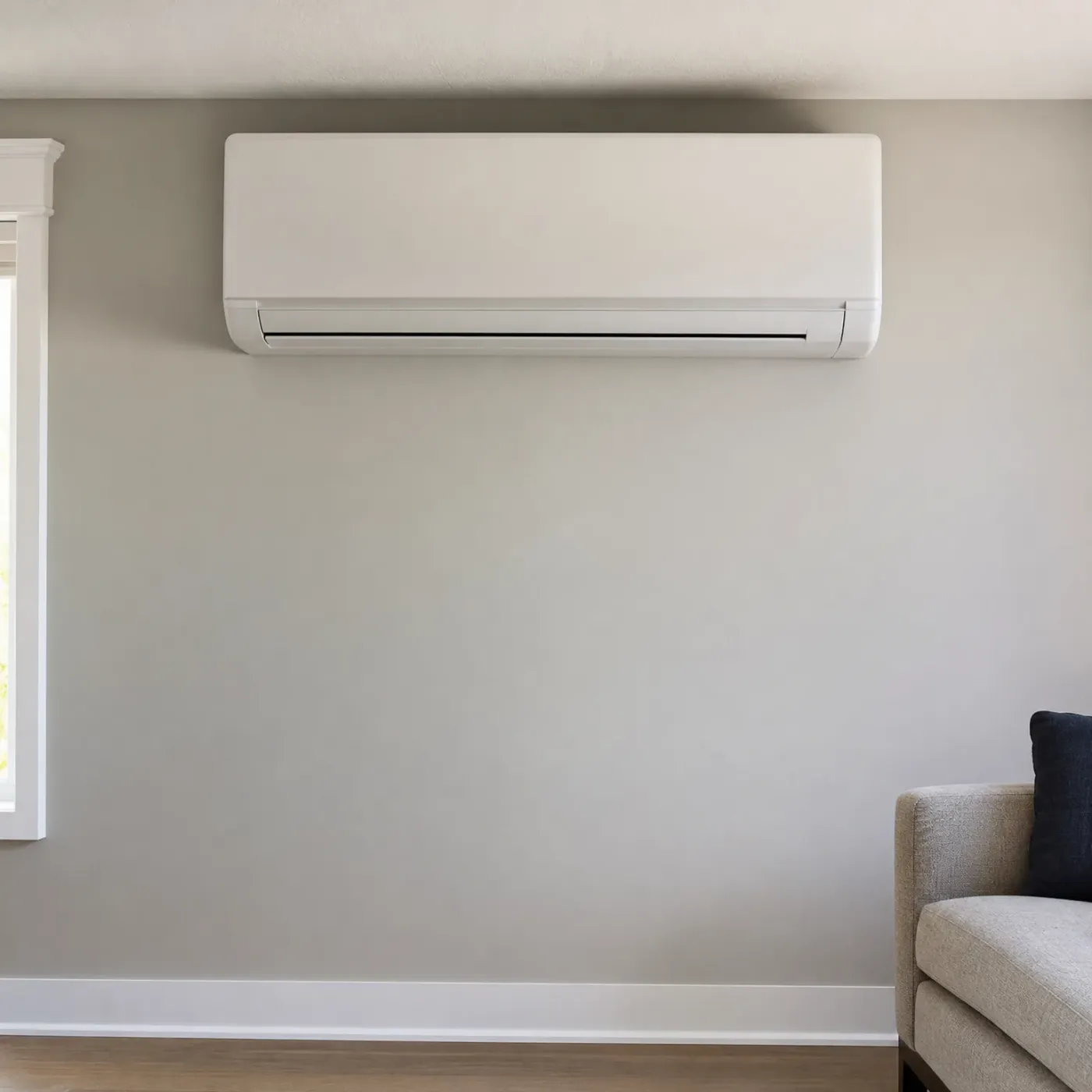
A white wall-mounted mini-split indoor unit installed high on a gray interior wall, with a window at left and part of a light gray sofa with a dark cushion at lower right.

Running clean

This is what a mini split should look like after months of winter use. The vents are clear, the casing is clean, and air moves through without resistance. The indoor coil behind that panel is doing its job, giving up heat to the room instead of fighting through buildup.

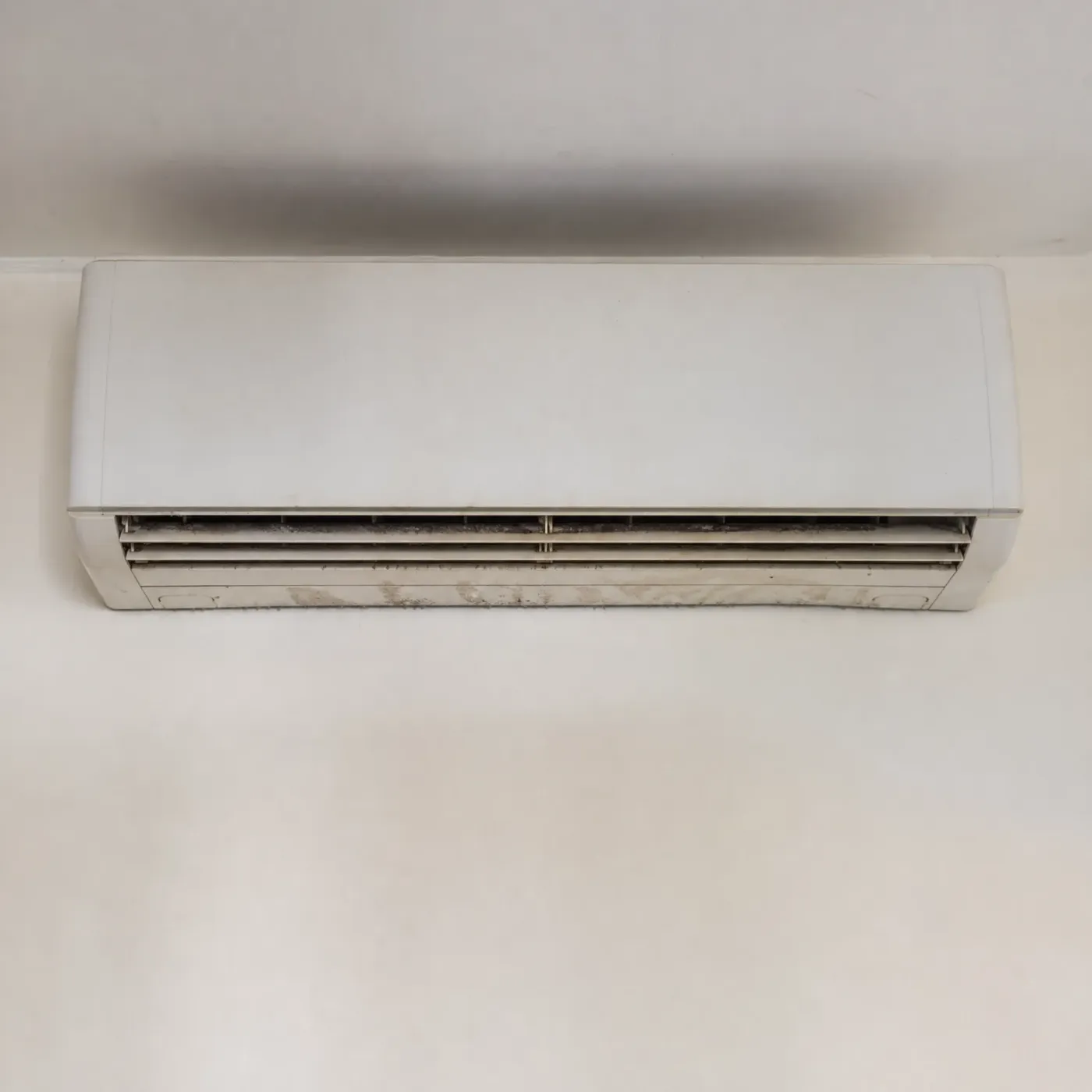
A white wall-mounted mini-split air conditioner indoor unit with visible dust and staining along its lower vent, installed on a plain pale wall.

Running dirty

This unit has been heating the house since fall without a cleaning. The grime along the vents and lower casing means the coil behind it is in worse shape. Airflow is choked, so it pulls more power to put out the same heat, and the strain adds up over a winter's worth of hours.

Power costs 13.17 cents per kilowatt-hour statewide

At 13.17 cents a kilowatt-hour, running your mini split all winter instead of electric baseboard is going to show up on the bill as real savings, not just a theory. That rate also means a dirty filter or a coil losing its grip on heat costs you more here than it would somewhere power runs higher.

EIA-861 2025 statewide residential average

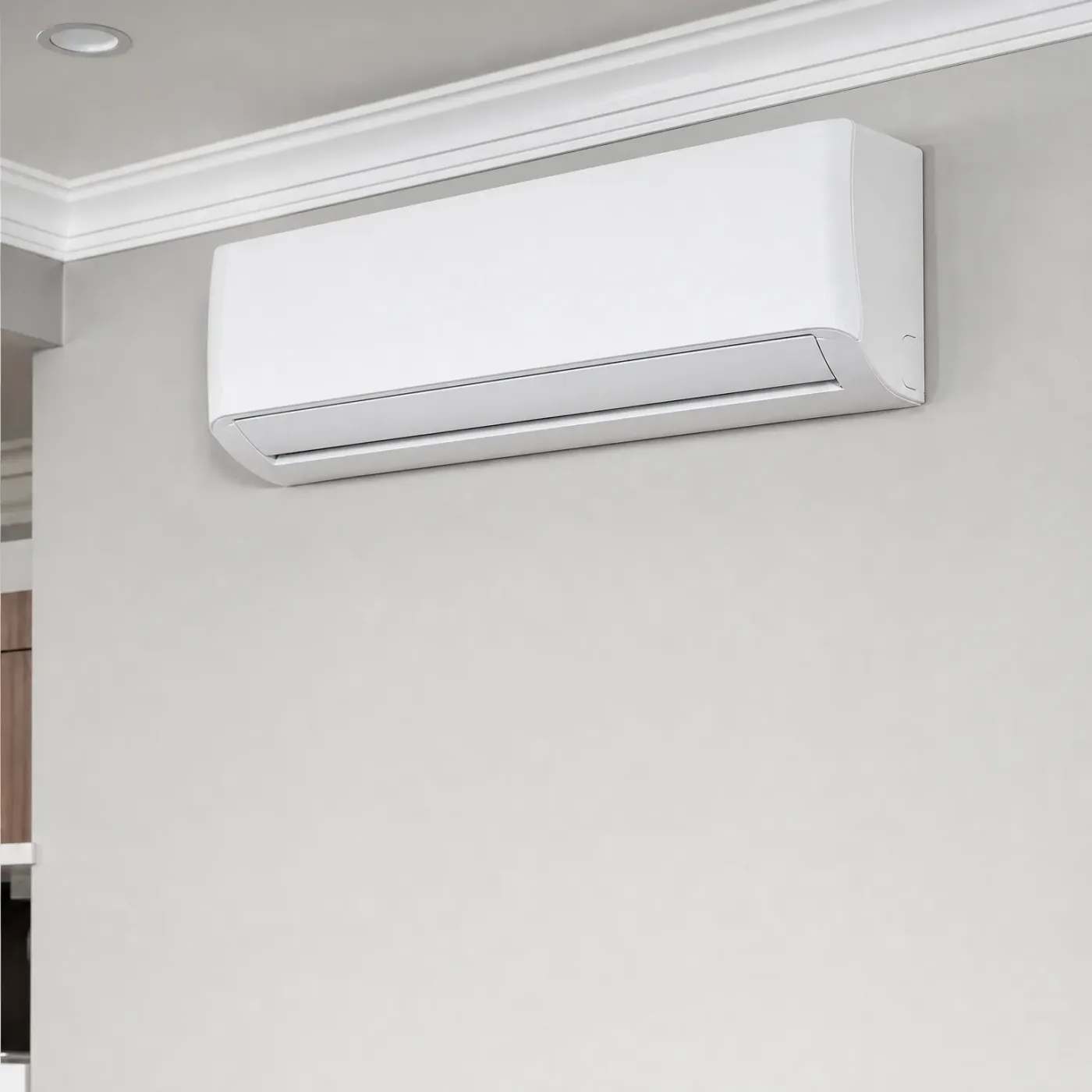
A white wall-mounted mini-split air conditioner installed high on a light gray interior wall below a white crown molding and ceiling with a recessed light.

Running clean

Air moves out of the vents without resistance, and the casing stays white. A mini split in this shape is giving up heat to the room the way it's supposed to, so it isn't running longer than it needs to.

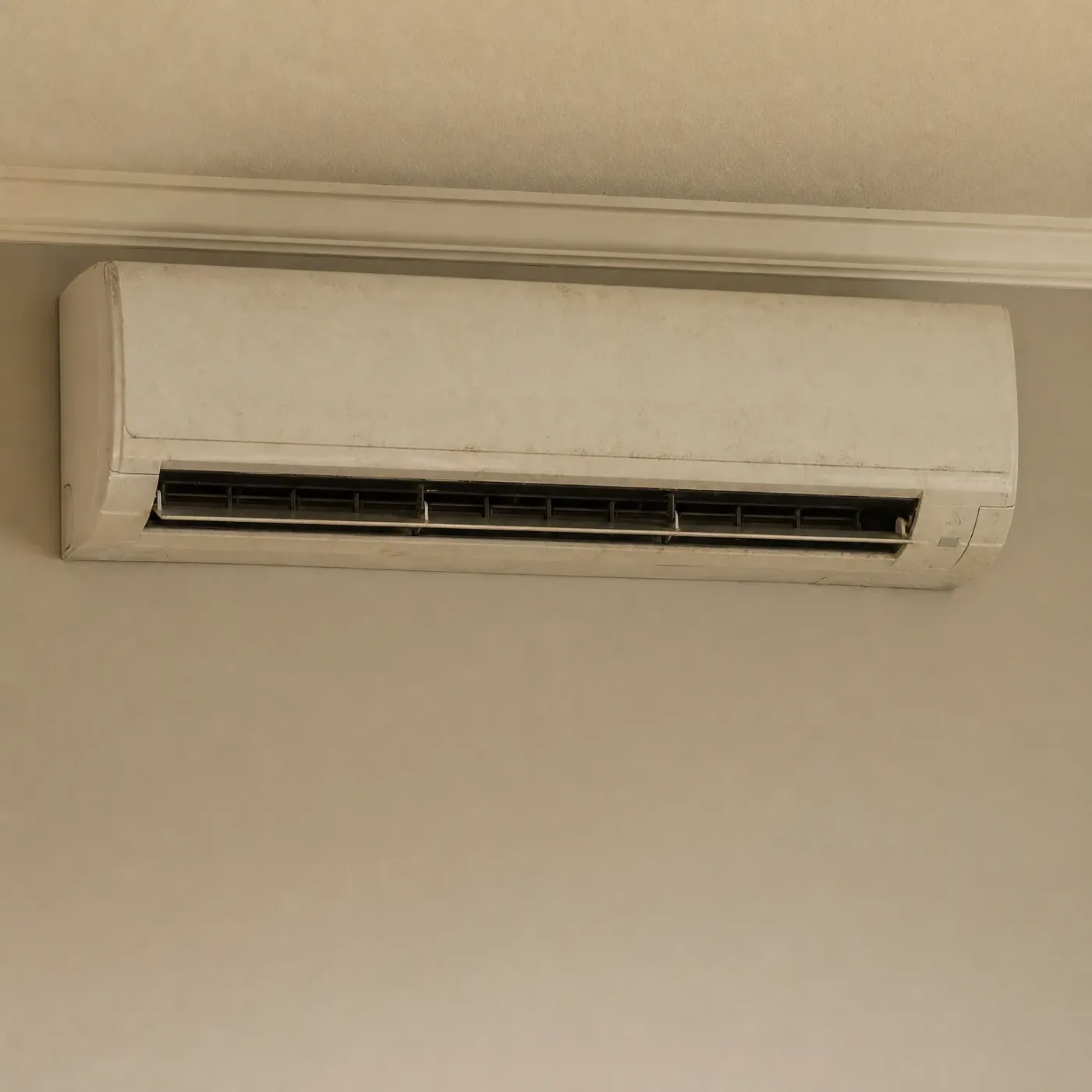
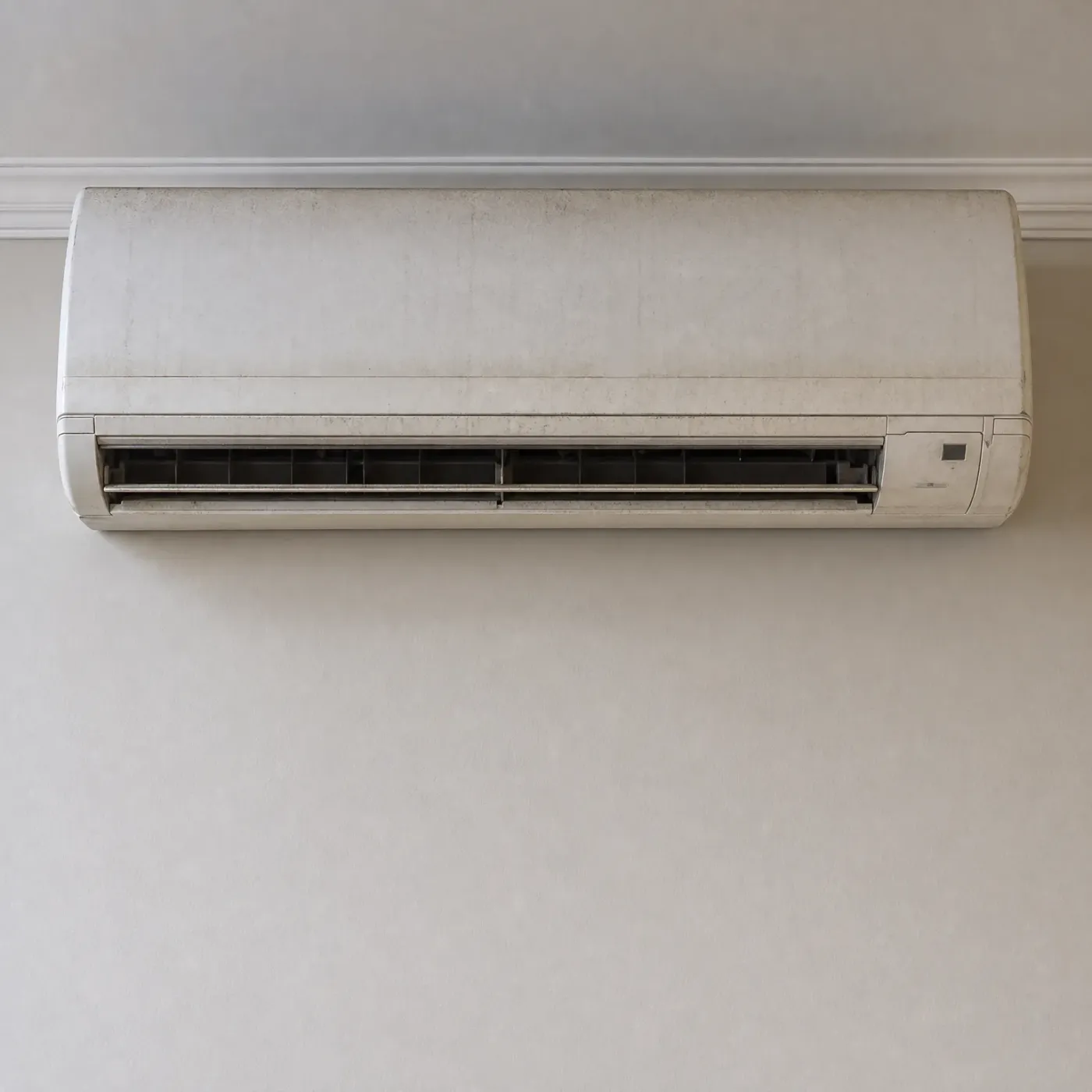
A dusty, discolored white wall-mounted mini-split air conditioner unit installed on a plain beige interior wall below a molding strip.

Neglected all winter

Years of dust have dulled the casing and crept into the vents. Airflow is choking down, so the unit runs longer for less heat, and parts inside are working harder than they should have to.

A closed dark laptop and a ceramic mug of coffee on a wooden dining table, with wooden chairs, a dark kitchen cabinet with cutting boards and a potted plant, and a leafy plant by a window in the background.

Running it October through April changes what maintenance you need

If you only ran this unit in summer, you'd check the filter once, maybe twice, before the heat set in. Keep it going all winter and you're asking it to work eight or nine months instead of four, which means the filter loads up faster and the outdoor coil spends a lot more hours cycling through defrost. Skip a cleaning and you'll notice it first as a room that takes longer to warm up, then as an electric bill that climbs even though you haven't changed the thermostat. The risk isn't that it stops working. It's that it keeps running while doing less for more money, and you won't see that on the unit itself, only on the bill.

Finding someone to look at it is its own chore. You'd be searching for a company that actually works on mini splits instead of furnaces, calling two or three of them, describing the same noise or the same short cycling to each one, then sitting on quotes trying to figure out who's telling you the truth about what it needs. A local contractor who services these units every season already knows what tends to go wrong with a Washington winter's worth of use, and you're dealing with one person who knows your system, not three strangers guessing over the phone.

Interior corner of a living room with a beige upholstered sofa and dark cushion in the foreground, a ceramic vase of leafy branches on a dark side table by a curtained window, a framed picture on the wall, and a wood-surround fireplace at right.
A two-story house with light beige horizontal siding, a gabled roof, a small covered front porch with dark door, and shrubs along the foundation, set behind a mown lawn and wet sidewalk with large leafy trees on both sides.

Summer air here doesn't sit heavy. Averaged across June, July and August, the dew point runs 53°F, which is the kind of summer where you barely notice the outdoor unit working. That matters for what it costs you the rest of the year. A mini split that isn't fighting thick, wet air all summer builds up less strain on the outdoor coil, so when it switches to heating in the fall, it's starting the winter from a cleaner place. Less summer load on the coil means less grime baked on by September, and less for you to find caked on when you pull the cover off for a winter check. Source: regional climate averages for Washington.

NASA POWER T2MDEW county cells weighted by homes

Run your mini split all winter. It's built for that job, electricity here is cheap enough to make it the right call, and the only thing that changes is how often the filter and coil need attention. A unit working eight or nine months a year needs someone checking it who sees this equipment every season, not a furnace company that services it on the side. Someone local who works on mini splits all year knows what tends to fail after a winter of steady use, what a dirty coil looks like before it costs you real money on the bill, and how to check the outdoor unit without guessing. You'll be matched with one contractor who fits that description, not a handful of companies competing for the job, so you're not stuck fielding calls and explaining the same thing over and over. You already know what your mini split needs to keep doing its job. The next step is getting someone qualified to look at it.

A single-story stucco house at dusk with a lit paver walkway lined by low path lights, desert plants and boulders in front, and distant mountains under an orange and blue sky.

Mini Split Maintenance

One form, no calling around

Step 1 of 3: Equipment
  • A dimly lit living room corner with a beige upholstered sofa holding a dark green cushion and a chunky knit throw, beside a wooden sideboard with a lit ceramic table lamp, a small potted plant, and a wooden bowl, with a framed artwork on the wall and a mug on a book in the foreground.
    • A local pro who services mini splits gets in touch about the tune-up.
    • Say what's going on with your mini split, and a pro who works on them reaches out.
  • A round wooden coffee table holding a round stone vase of green foliage, a lit candle in a glass container, and a small dark bowl, with a beige sofa, cushions and knit throw behind and a window at left.
    • Send the form, and lining up the mini split tune-up stops being yours to chase.
    • Send the form and the mini split tune-up stops being something to remember.
  • Sunlit living room with a wooden coffee table holding a ceramic vase of leafy branches and a carved wooden tray with two stacked books, in front of a beige sofa with tan and green cushions and a potted plant near a window.
    • Skip searching for a mini split pro and answer a few questions instead.
    • One form replaces the calls you'd make to find a mini split pro.
  • Interior corner with a lit ceramic table lamp and wooden bowl on a wood sideboard, a framed picture and branch-filled vase behind, a knit throw over an upholstered chair, and a lit candle in a glass holder, stoneware mug and round planter of green foliage on a wooden table in the foreground.
    • Your request stays with one local pro.
    • Your request goes to one pro, not a list of companies.