Tell us about the job
Takes about a minute. No obligation.
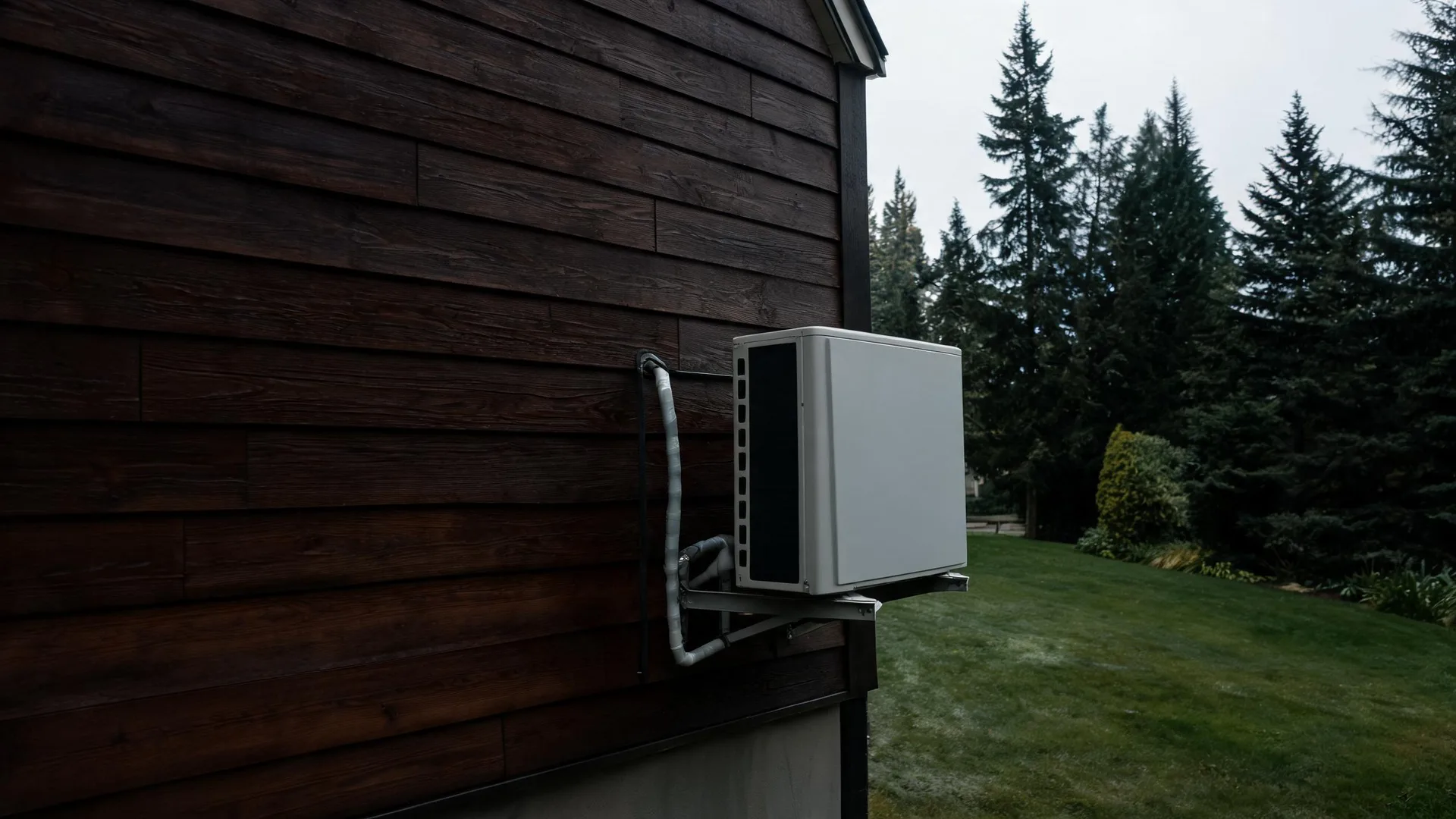
A mini-split compressor that runs a short cooling season and then sits for the better part of the year can develop faults that produce no symptoms until the system is called on. Homes in Walla Walla County, WA run cooling about two months a year, from July through August. Refrigerant seeps slowly through a joint that only shows up as a pressure drop under load. Contactor contacts corrode during the idle months, and a unit that worked fine in August may fail on the first warm afternoon the following July. A contractor diagnosing a mini-split here checks refrigerant charge, contactor condition, and coil cleanliness before concluding anything else, because those are the components that deteriorate without runtime to flag them.
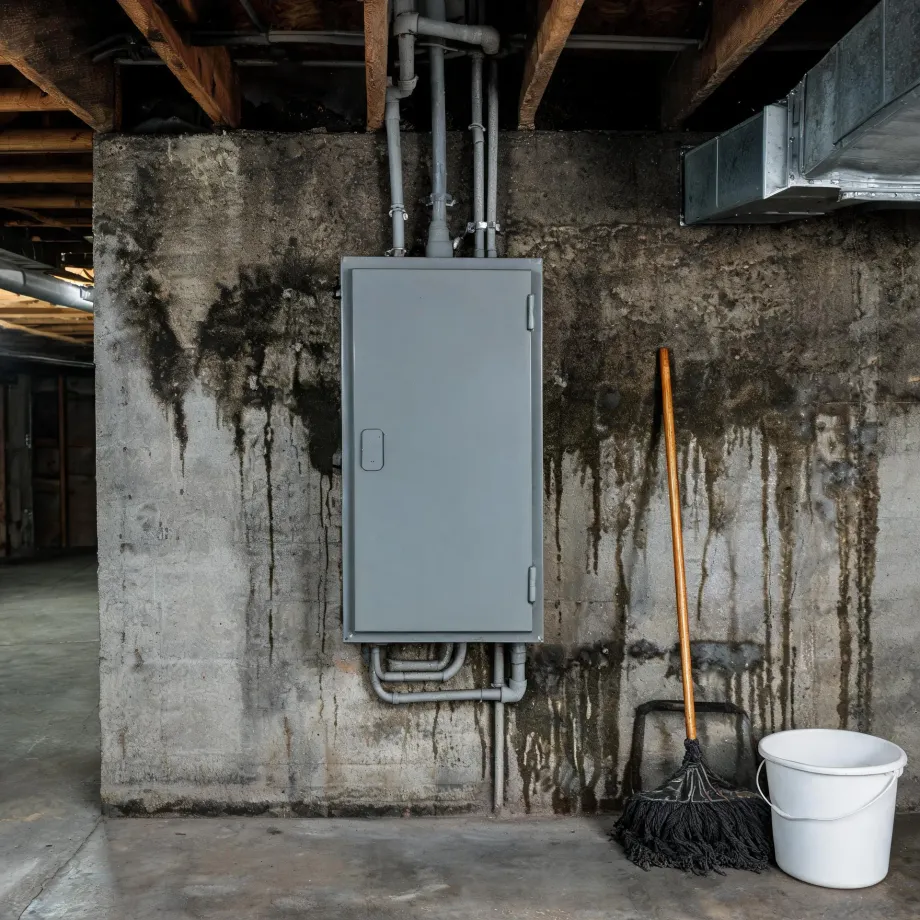
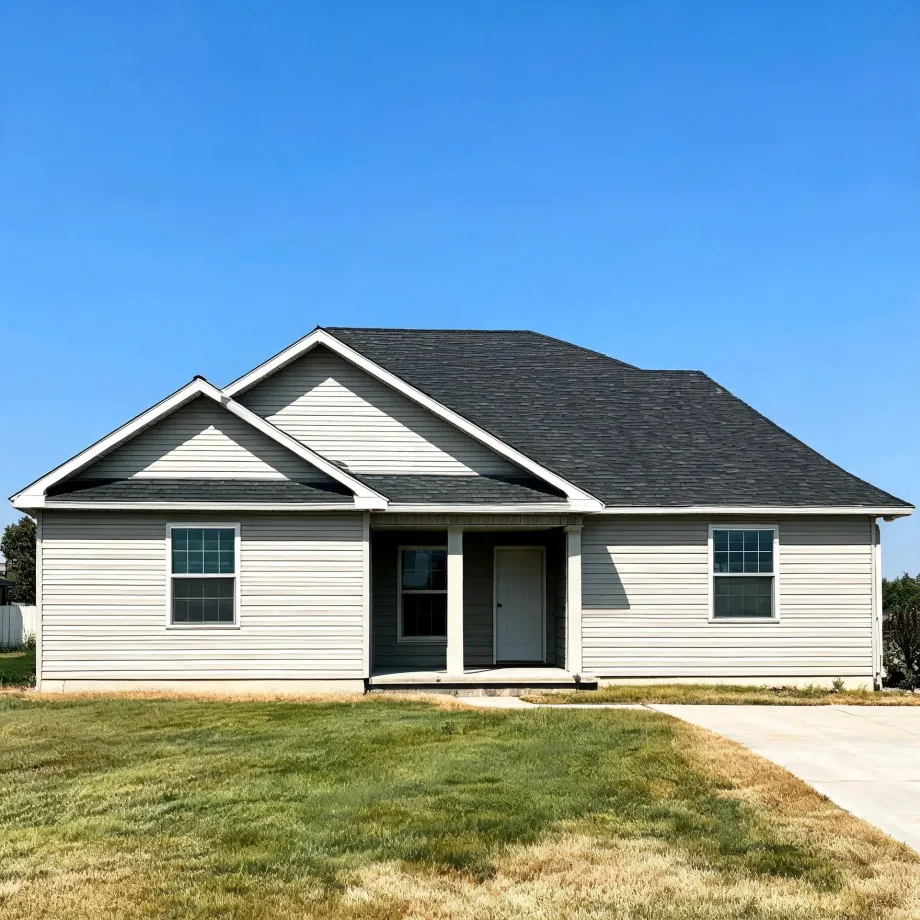
Walla Walla County's houses were adapted for mini-splits, not built for them. Half the homes in Walla Walla County, Washington were built in 1973 or earlier (2020-2024 ACS 5-year). That gap matters on a repair call because what the contractor finds once the indoor or outdoor unit is open sits inside a house that was never engineered around it: refrigerant line routing, wall penetrations, and the electrical feed to the head unit were all added to structure built for something else. If a part has failed, whether a replacement is still made for that specific unit is a separate question from whether the surrounding installation was ever clean. A contractor here is pricing the system and reading what the house accepted when the split went in.
The Parts of a Mini-split a Contractor Checks During Repair
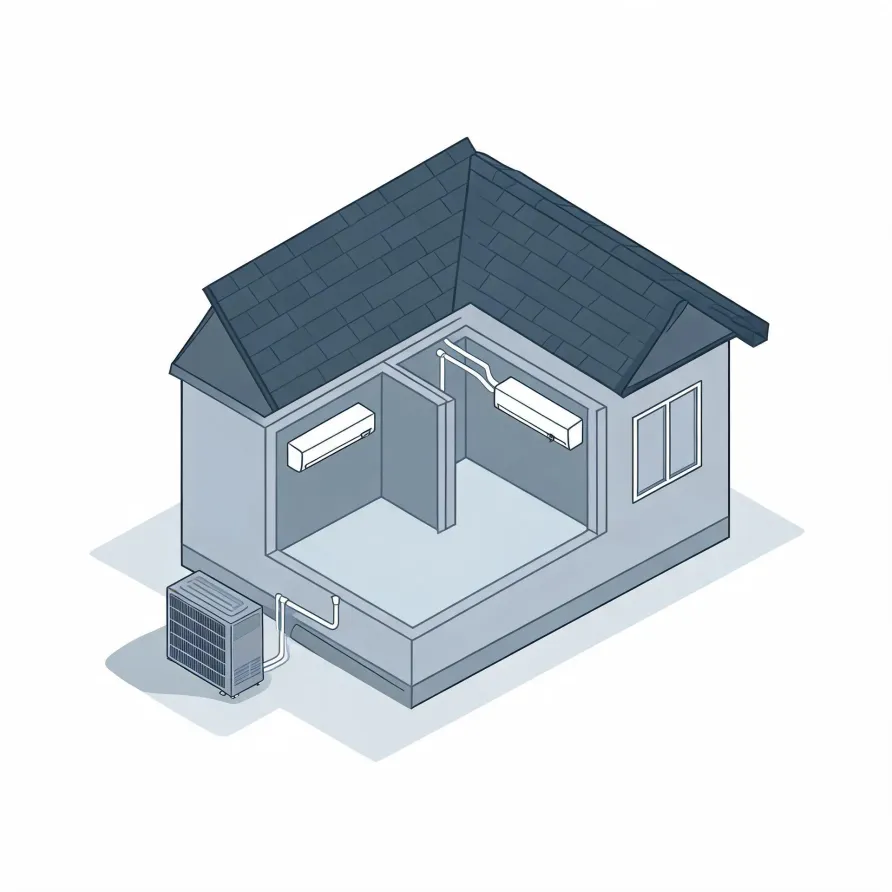
The indoor air handler is the piece most homeowners see every day, mounted high on a wall in the room it serves. It holds the evaporator coil, a blower fan, and the drainage system that carries condensation away. When cooling or heating stops, or airflow weakens, this is where a contractor starts looking.
Outside, the condenser unit houses the compressor and the outdoor coil. A refrigerant line set runs between the two units through a small penetration in the wall, and a condensate drain line exits nearby. Faults in the compressor, leaks along the line set, or a blocked drain can each pull the system down.
The drawing shows a typical layout, and a licensed contractor determines which components and connections apply to your specific installation.
Find a contractor in Walla Walla CountyWalla Walla County, by the numbers
106 severe weather events were recorded in Walla Walla County, Washington between 2015 and 2024.
NOAA National Centers for Environmental Information, Storm Events Database, bulk CSV export, events 2015-01-01 through 2024-12-31.Half the homes in Walla Walla County, Washington were built in 1973 or earlier (2020-2024 ACS 5-year).
U.S. Census Bureau, 2020-2024 American Community Survey 5-Year EstimatesWalla Walla County, Washington holds 25,422 housing units (2020-2024 ACS 5-year).
U.S. Census Bureau, 2020-2024 American Community Survey 5-Year EstimatesOwners occupy 65.0% of the occupied homes in Walla Walla County, Washington (2020-2024 ACS 5-year).
U.S. Census Bureau, 2020-2024 American Community Survey 5-Year EstimatesRepair Rules & Contractor Standards for Walla Walla County, Washington1 sourced rules and standards
Licensing Rules for Walla Walla County, Washington
Washington requires contractor registration rather than an HVAC licence: every contractor must register with the Department of Labor and Industries, and advertising, bidding or working as a contractor without that registration is a gross misdemeanour.
Severe Weather Events in Walla Walla County
Extreme weather puts real load on mini-split systems, and load is what breaks equipment. How hard the climate pushes here shapes what repair work looks like in Walla Walla County.
106 severe weather events, 2015–2024. Source: NOAA National Centers for Environmental Information, Storm Events Database.