





A white wall-mounted mini-split air conditioner on a dark gray interior wall above a framed picture, with a potted plant and curtained window to the right.

Get your mini split to the right pro

Is a mini split cheaper than baseboard heat in Washington

A mini split moves heat instead of making it, so it costs less to run than baseboard heat even with cheap power here in Washington. How much less depends on your home and how your baseboard setup is split into zones. If you want a straight answer for your place, a contractor can walk through it with you once you're matched.

Get matched

Yes, a mini split costs less to run than baseboard heat, almost always, even with power as cheap as it is in Washington. Baseboard heat makes heat directly from electricity, and every watt it draws turns into a watt of heat, no more. A mini split moves heat from the outside air into your house instead, so for every watt it draws, it can deliver several watts of heat. That gap holds even on cold nights, because the mini split only loses some of that advantage as the outside temperature drops, it doesn't lose all of it. Baseboard heat has no such give. The other piece is control. Baseboard heaters are usually set zone by zone, each one heating to its own thermostat, which means rooms you're not using still draw power if their heaters are left on. A mini split, especially one with multiple indoor heads, lets you heat only the rooms you're actually in.

A woman wrapped in a thick beige fleece blanket sits on a sofa with an open book on her lap, beside a lit table lamp, with a frost-covered window behind her.
An older woman with gray hair in a bun and glasses, wearing a beige knit sweater, smiles while looking to the side in a warmly lit kitchen, with a loaf of bread on the counter in the foreground and a snowy scene outside the window.

Baseboard heat works like a toaster. Electricity runs through a resistive element and every watt you pay for turns into a watt of heat in that room, nothing more. A mini split does something different. Its outdoor unit uses a compressor and refrigerant to pull heat out of the outside air, even when that air is cold, and moves it inside. Since it's moving heat rather than making it from scratch, it can put out two or three times more heat than the electricity it actually draws. The compressor also runs at variable speed, so it ramps up or down to match what the room needs instead of snapping fully on and off the way a baseboard thermostat does. That matters most once you add up a whole house. Baseboard heats one room at a time, so a home running several zones at once is pulling full resistive power in every one of them, all at the same time.

How Each System Makes Heat

  • A mini split uses a compressor and refrigerant to pull heat from outside air and release it inside your home.
  • Baseboard heat just runs electricity through a resistive element, the same way a toaster works, with no moving parts to move heat around.
  • Because a mini split moves heat instead of generating it, it can deliver two or three times more heat than the electricity it draws.
  • The outdoor unit keeps working even in cold temperatures, pulling in heat that's still present in the air outside.
  • A mini split's variable speed compressor adjusts output to match the room, rather than switching fully on and off like a baseboard thermostat.
  • Baseboard heaters heat one room at a time, so a home with several zones running at once pulls a lot more power overall.
A gray-haired bearded man in a dark coat and scarf dusted with snow stands smiling in a dimly lit entryway with a white front door, a side table with a lit lamp, an oval mirror, and a patterned rug.
An older bearded man in a dark snow-dusted coat and gray scarf stands just inside a dimly lit home entry, with a framed picture, lit table lamp, and an adjoining room with a fireplace behind him, and snow visible through the open door.
A gray-haired, bearded man in a dark snow-dusted coat stands smiling in a dimly lit entry hall with a staircase, a lit table lamp, a framed picture, and a living room visible through a doorway.
An older man with gray hair and a beard, wearing a dark jacket dusted with snow, stands smiling in a dimly lit hallway with lamps and a living room visible behind him.

Why the ratio holds even here

A resistive heater can't beat one unit of heat per unit of electricity. That's the ceiling for baseboard heat, no matter how cheap power is in Washington. A mini split isn't bound by that ceiling because it isn't making heat, it's moving it, and most of the time it moves two, three, sometimes four units of heat for every unit of electricity it draws. That gap is why the math favors the mini split even when your utility bill per kilowatt-hour is low. Cheap power lowers what both systems cost to run, but it lowers baseboard and mini split costs by the same percentage. The ratio between them stays the same.

What changes the size of the gap

How much you actually save depends on how your home holds heat and how your baseboard system is zoned. A mini split head covers the room it's in well. If your baseboard heat is split into several zones with separate thermostats, you're already used to heating only the rooms you use, and a mini split (or a few heads) can match that pattern closely. If your baseboard runs as one zone covering the whole house, a single mini split head may leave some rooms cooler unless you add heads or keep baseboard as backup for those rooms. The gap is real in every layout. Its size depends on yours.

Power costs 13.17 cents per kilowatt-hour statewide

At 13.17 cents a kilowatt-hour, every watt baseboard heat draws from your wall still costs real money, with nothing but that one watt of heat back. A mini split pulls two or three times that much heat from the same watt, so your bill reflects fewer watts drawn even at this rate.

EIA-861 2025 statewide residential average

When baseboard still makes sense

Baseboard heat has no outdoor unit, no refrigerant line, and nothing to service beyond the element itself. If a room only needs occasional heat, like a guest room or a bonus room used a few weekends a month, the lower upfront cost of baseboard can outweigh what you'd save running a mini split in a space that barely gets used. Baseboard also holds up fine in a small, well-sealed room where heat loss is low. The math that favors a mini split assumes the system is heating a space for real stretches of time. Where that isn't true, the gap narrows.
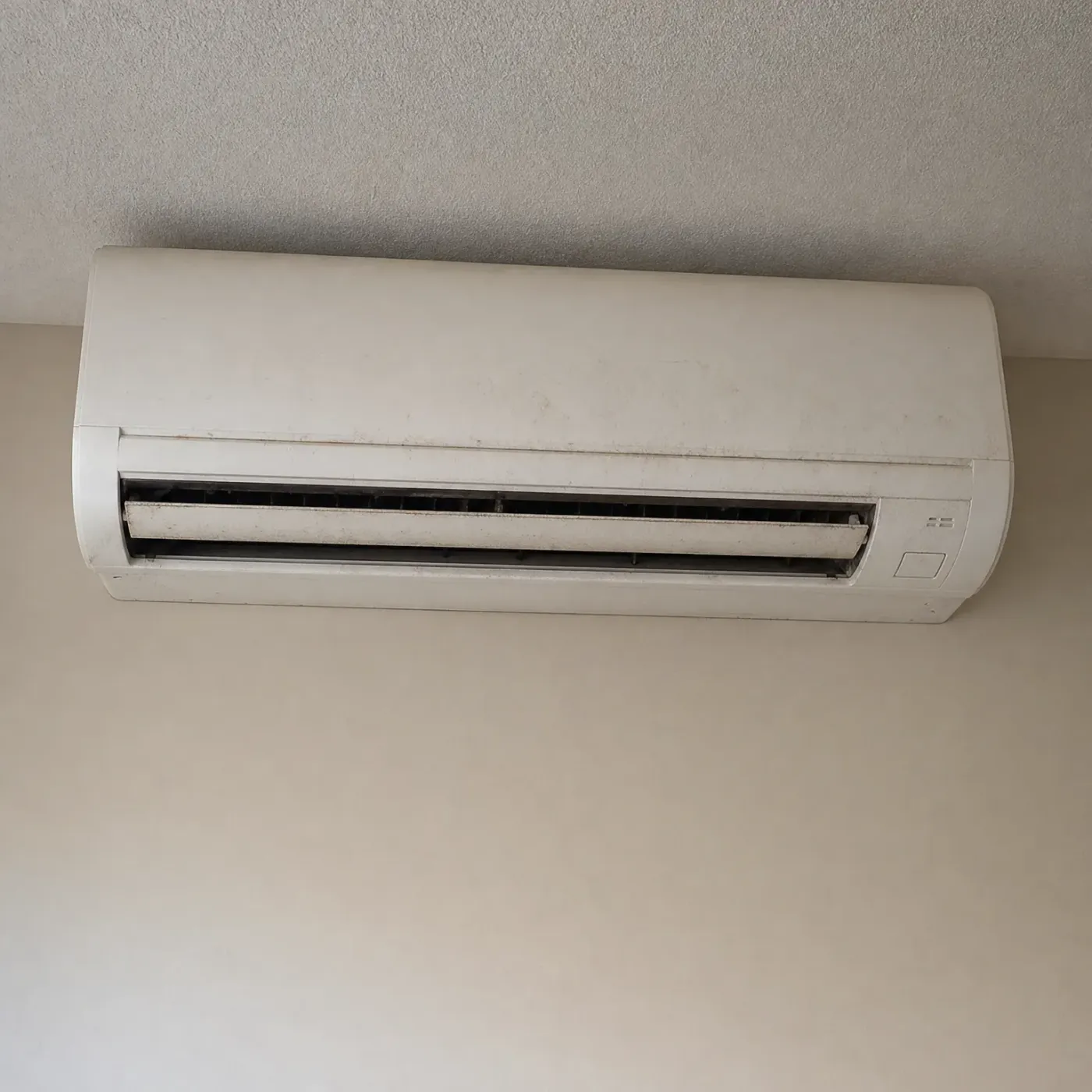
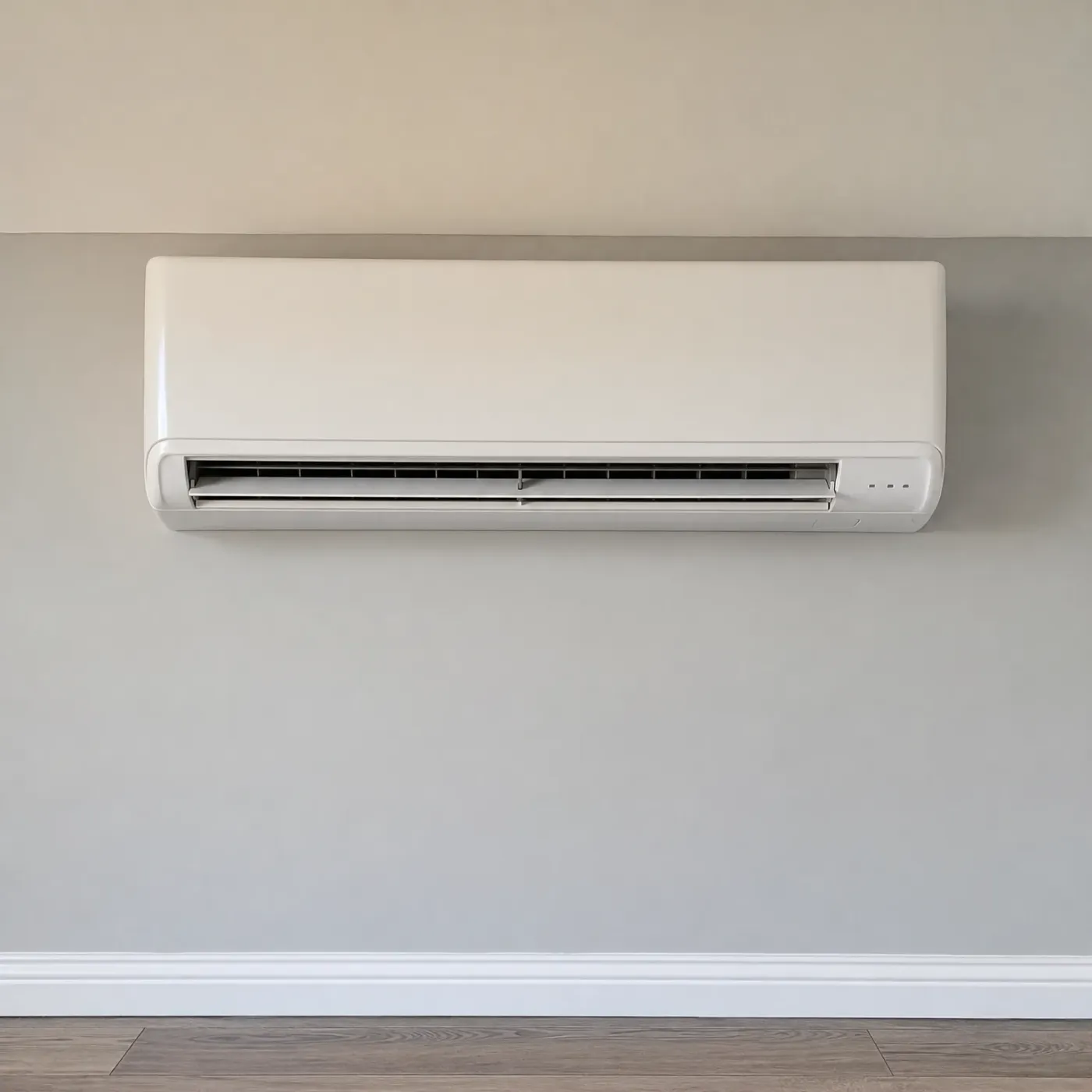
Where the mini split pulls ahead

Once a room is in regular use, the math shifts fast. A living room, a bedroom used every night, a home office, any space where the heat runs for hours at a stretch is where a mini split's efficiency compounds night after night. Washington winters aren't brutal, but they're long enough that a heating system run daily for months adds up on the bill either way. The difference is that one of those systems is pulling two or three times the heat out of the same watt. That gap only grows the more the room gets used.

A white wall-mounted mini-split air conditioner indoor unit installed near a textured ceiling on a plain beige wall, with visible dust and discoloration on its casing and vent.
Before you get your mini split installation
A white wall-mounted mini-split air conditioner indoor unit on a light gray wall above a white baseboard and wood-look floor.
After you get your mini split installation
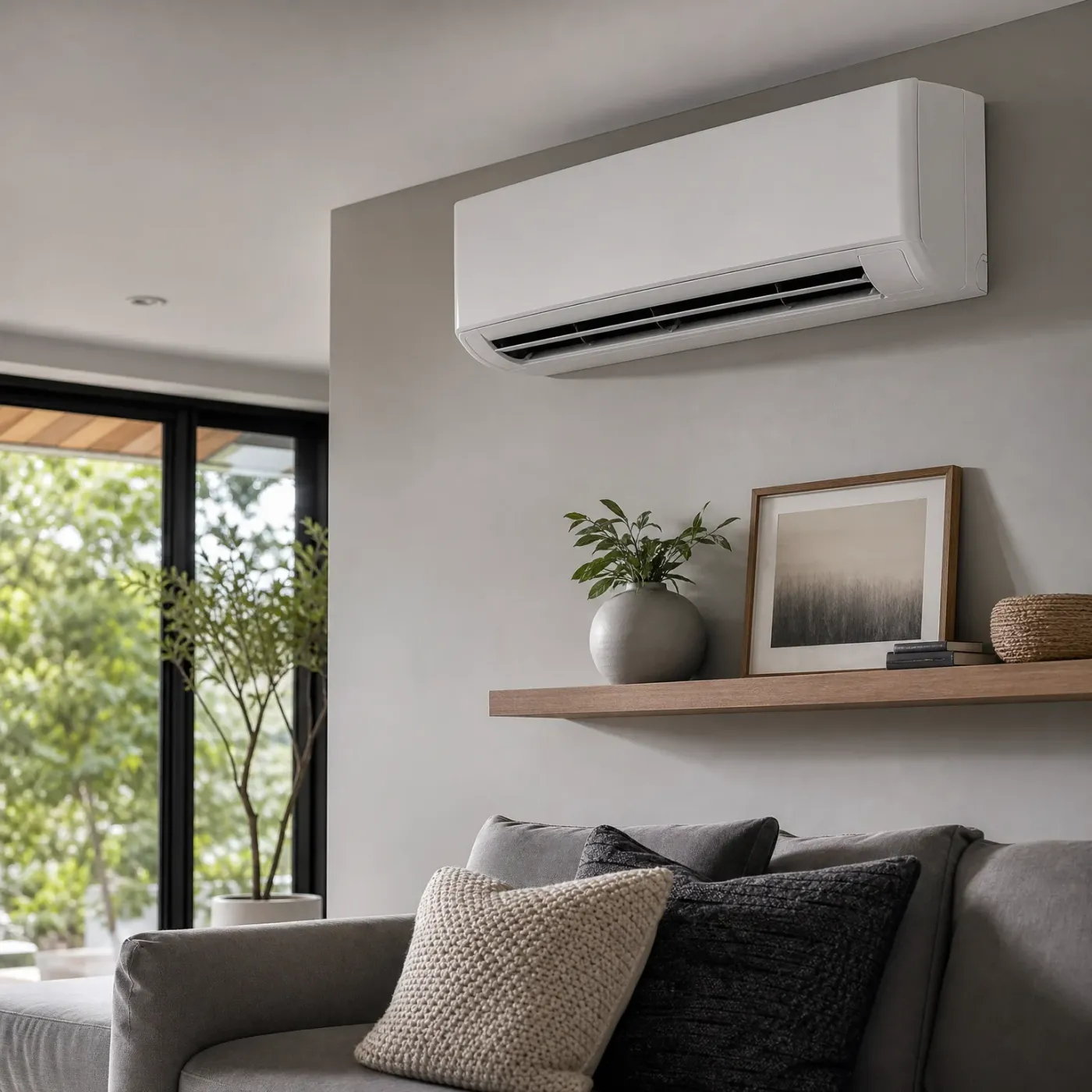
A white wall-mounted mini-split air conditioner near the ceiling of a living room with a gray sofa, knit cushions, a wooden floating shelf holding a plant in a round vase, a framed print and a woven basket, and a large window showing green trees.

The right pro for this job

One request and the search for a pro is handled.

Get in touch with a local installer about a new mini split.

Find a mini split pro

There's no charge for the request.

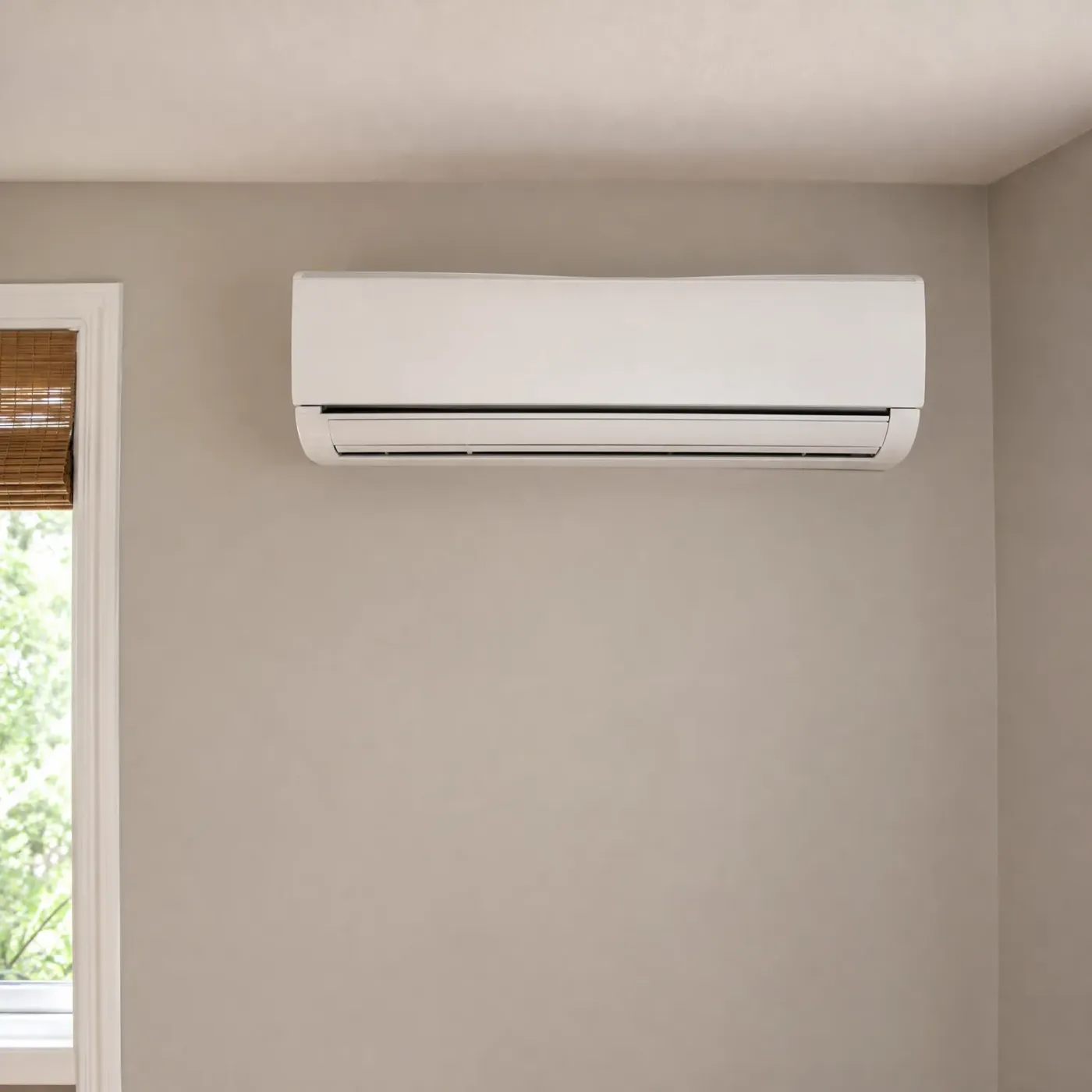
A white wall-mounted mini-split air conditioner installed near the ceiling on a beige interior wall, with a window and bamboo blind at the left edge showing green foliage outside.
A clean mini split moves heat efficiently, pulling its full two or three to one advantage over baseboard.
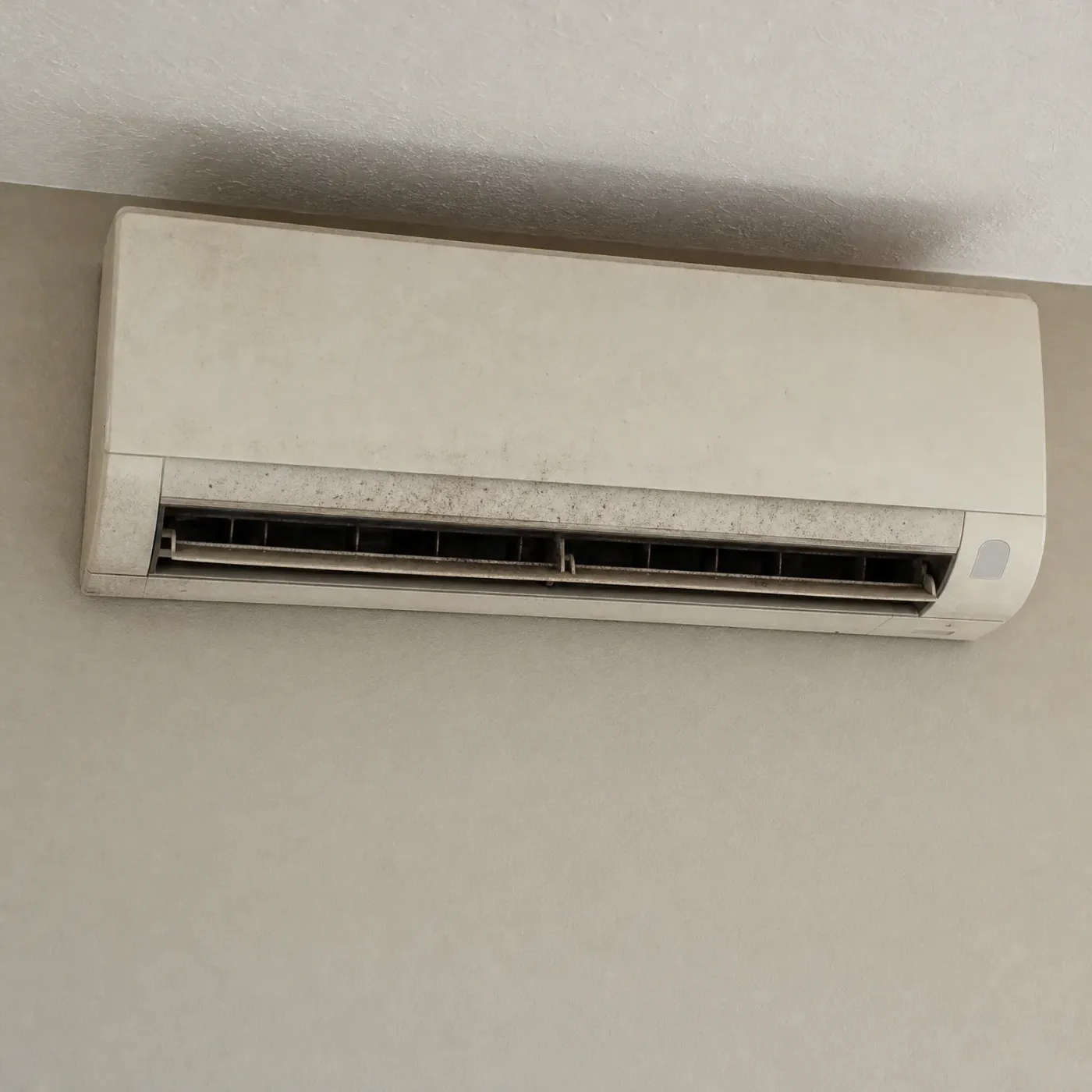
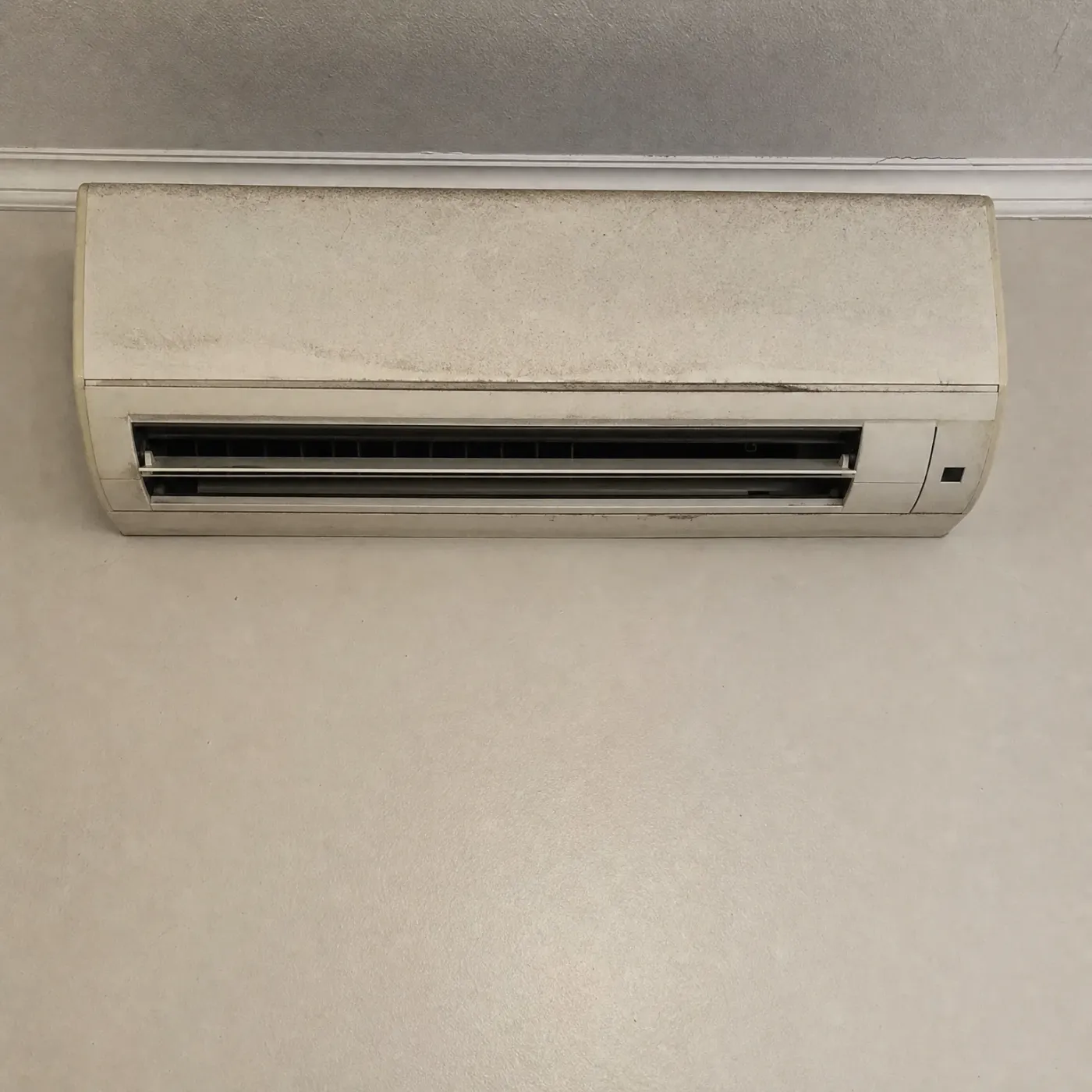
A wall-mounted mini-split air conditioner indoor unit with discolored casing and dusty vents, installed near the ceiling on a plain light-colored wall.
A dirty mini split still beats baseboard most of the time, but a dirty coil loses some of that edge.
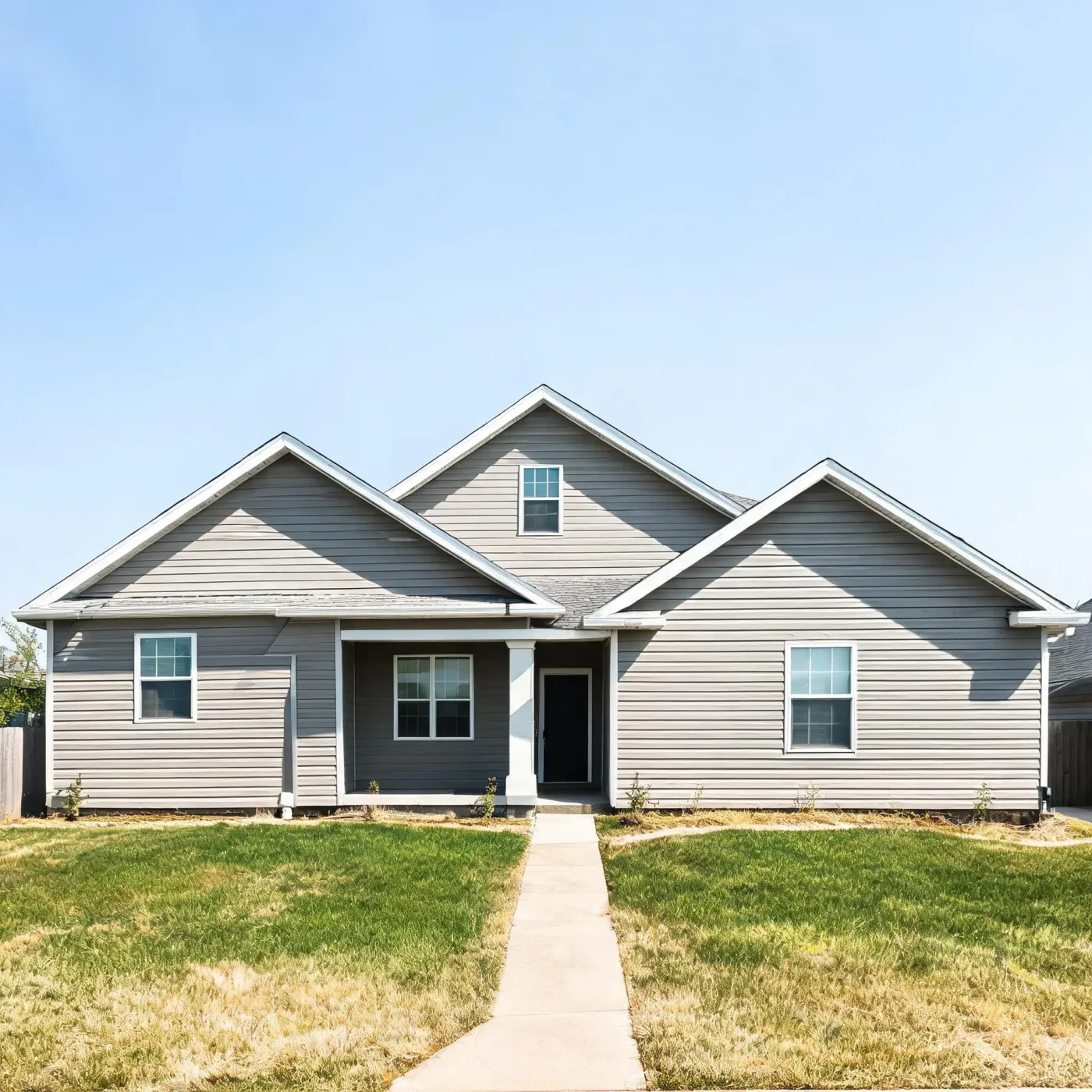
A single-story gray horizontal-siding house with multiple front-facing gables, white-trimmed windows, a dark front door, and a concrete walkway crossing a partly dry lawn under a clear blue sky.

Summer air here averages a 53°F dew point across June, July and August, a number from NOAA climate data. That's dry air by national standards, and it matters for your mini split's other job. The same unit that heats your home all winter also cools and dehumidifies it in summer, and with air this light, it isn't working hard to wring moisture out. You'll notice the room cool off fast without that damp, heavy feel some climates leave behind. Baseboard heat has nothing to do with any of this, since it only runs in winter. That's one more reason the mini split is doing work baseboard never could, in every month it runs.

NASA POWER T2MDEW county cells weighted by homes

Mini Split vs Baseboard Heat

Mini split

  • Moves heat instead of generating it, so it draws fewer watts from the wall for the same amount of warmth in your rooms.
  • Costs more upfront because installation means an outdoor unit, a refrigerant line, and a wall-mounted head in each zone you want covered.
  • Needs the coil kept clean to hold its full advantage over baseboard; a dirty coil still wins most of the time, just by less.
  • Also cools and dehumidifies in summer, so it covers a second job baseboard heat never could.
  • Splits your home into zones, so you can heat the rooms you use and leave the rest alone.

Baseboard heat

  • Runs electricity through a resistive element with no compressor, no refrigerant, and no outdoor unit to install or service.
  • Can't beat one watt of heat per watt drawn, which is the ceiling for any resistive heater no matter how cheap power is in Washington.
  • Costs less to put in since there's nothing to mount outside and no line set to run.
  • Makes sense for a room that only needs occasional heat, like a guest room used a few weekends a month.
  • Has nothing to maintain beyond the element itself, so there's no coil to clean or filter to check.
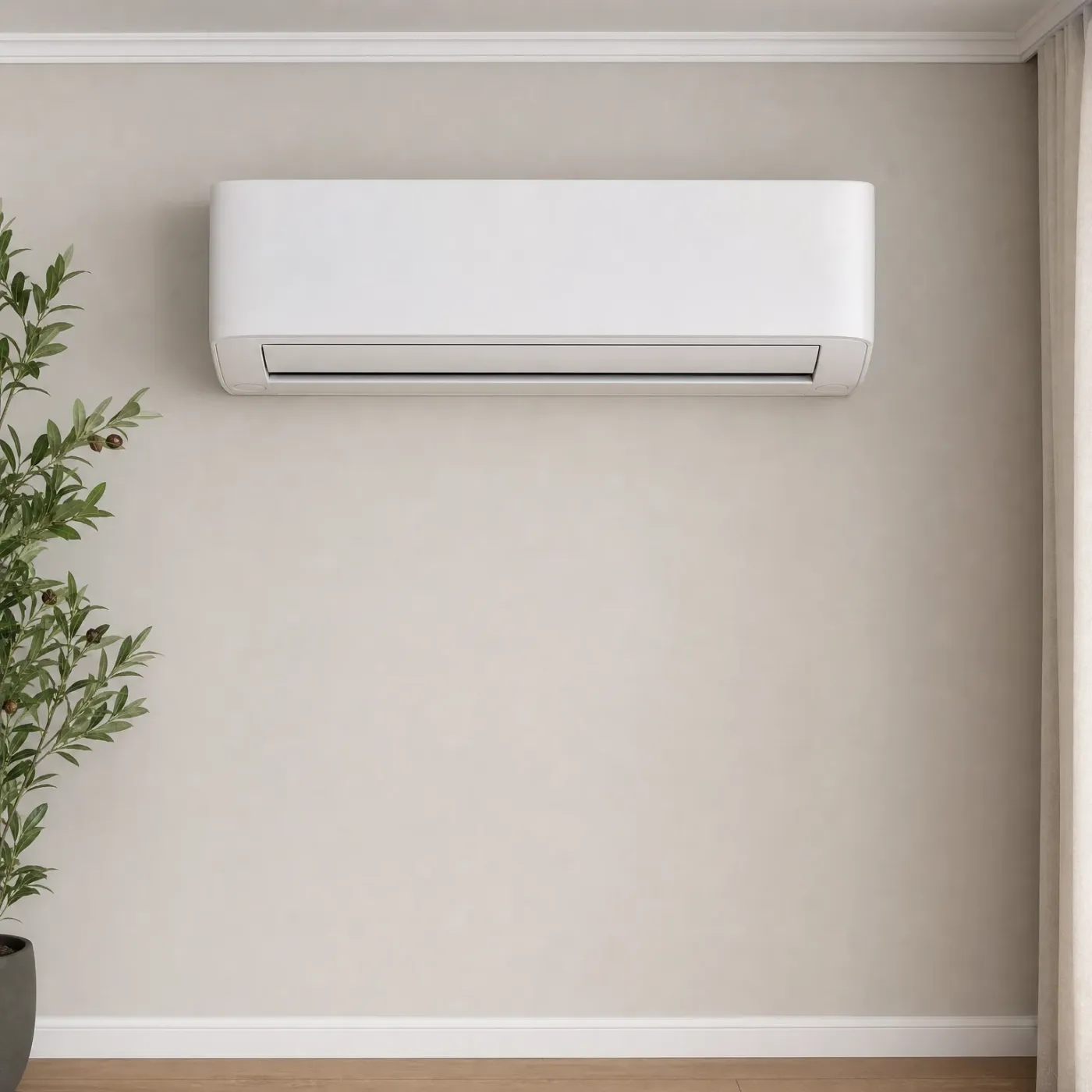
A white wall-mounted mini-split indoor unit on a beige interior wall, with a potted leafy plant at the left and a curtain edge at the right.

Running clean, pulling its full advantage

This is what keeps your bill low. Air moves freely through the vents and across the coil, so the unit pulls two or three times the heat per watt that baseboard draws straight from the wall. The plant and the curtain nearby don't block airflow, and neither should anything else.

A dusty, discolored wall-mounted mini-split air conditioner indoor unit near the top of a plain light-colored interior wall below a white molding strip.

Caked in dust, losing ground on baseboard

Grime across the casing and vents like this blocks airflow before it reaches the coil. The unit still beats baseboard most months, but it has to work harder to do it, and every watt that goes to fighting dust is a watt not moving heat into your room.

A man in a dark blue shirt stands in an open front doorway of a stucco and wood-clad house, facing a blond woman seen from behind in the foreground on a stone walkway.

A mini split costs less to run than baseboard heat

That's the answer. A mini split moves heat instead of making it, so it pulls two or three times the warmth per watt that baseboard gets by just heating an element. Power here is cheap, but cheap power still costs more the more of it you use, and baseboard uses more of it to do the same job. The gap between the two holds up across a Washington winter, whether your place runs cold through January or stays milder than most.

Where you land depends on your rooms, your zones, and how your baseboard is split up now, and that's not something to guess at from a general answer. If you want to know what this looks like in your own home, a contractor who installs mini splits can walk your rooms and tell you what to expect there. Once you send the details, that part is off your plate. Someone who knows your zones and your walls takes it from here.

A living room corner with a beige sofa and cushion, a round wooden coffee table holding a pale ceramic vase of eucalyptus stems and a wooden bowl, and a curtained window with a potted plant above a latticed radiator cover in the background.
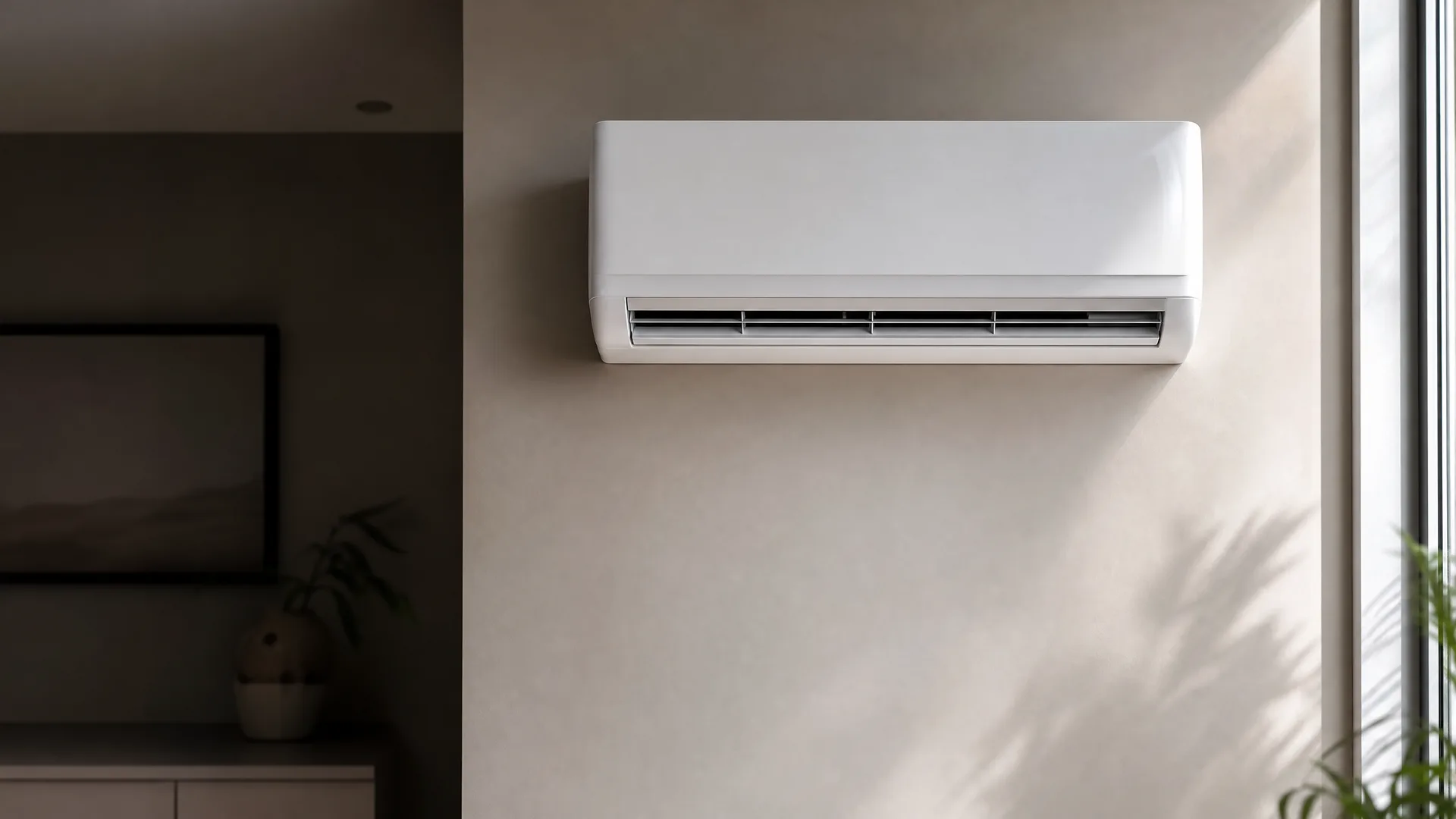
A white wall-mounted mini-split air conditioner on a plain beige interior wall, with a framed picture and potted plant in the dim left background and sunlit window with foliage at right.

Matched to your mini split job

Step 1 of 3: Equipment