 Skip the calls
Does a mini split lower heating bills in Washington
Answer a few questions instead of calling shop after shop.
Most homes in Washington heat with electricity, and electric resistance heat is expensive to run no matter how careful you are with the thermostat. A mini split moves heat instead of generating it, so it gets more warmth out of every dollar of power, even with electricity priced as low as it is here.
That difference shows up most in the shoulder months. Through a mild Washington winter, a mini split can carry the load on its own for long stretches, and your baseboards or furnace stay off. In summer, when the air is warm but not heavy, the same unit cools the house without you running a separate AC.
Whether a new mini split actually lowers your bill depends on how it's sized and how it's installed, not just which brand you buy. A unit that's too big or too small for the space, or one with refrigerant lines run wrong, won't deliver the savings the equipment is capable of.
That's where the installer matters more than the equipment. A local contractor who installs and services mini splits all year, through Washington winters and summers both, knows what size a given space actually needs and how to set the lines up so the system runs the way it's supposed to.
Finding that contractor yourself usually means searching around, calling a few companies, explaining your home and your system to each one, then sitting with quotes trying to figure out who actually knows what they're doing versus who just answered the phone first. This page skips that part. You tell it about your home once, it goes to a licensed local installer, and you're not fielding calls from five different companies trying to win the job. One contractor, already familiar with this equipment and this climate, takes it from there.
A mini split usually lowers a heating bill here, and the reason is what it replaces. If you're moving off baseboard heaters or an old electric furnace, you're swapping a system that makes heat for one that moves it from the outside air, and that costs less per degree even on a cold night. The savings are real, but they depend on the install. A mini split sized wrong for the room, or mounted where it fights the home's layout instead of working with it, won't deliver the drop in your bill that the equipment is capable of. Where it's placed, how it's sized to the space, and how well the line set and drainage are run all affect what you actually see on the power bill. That part comes down to the installer, not the unit itself.
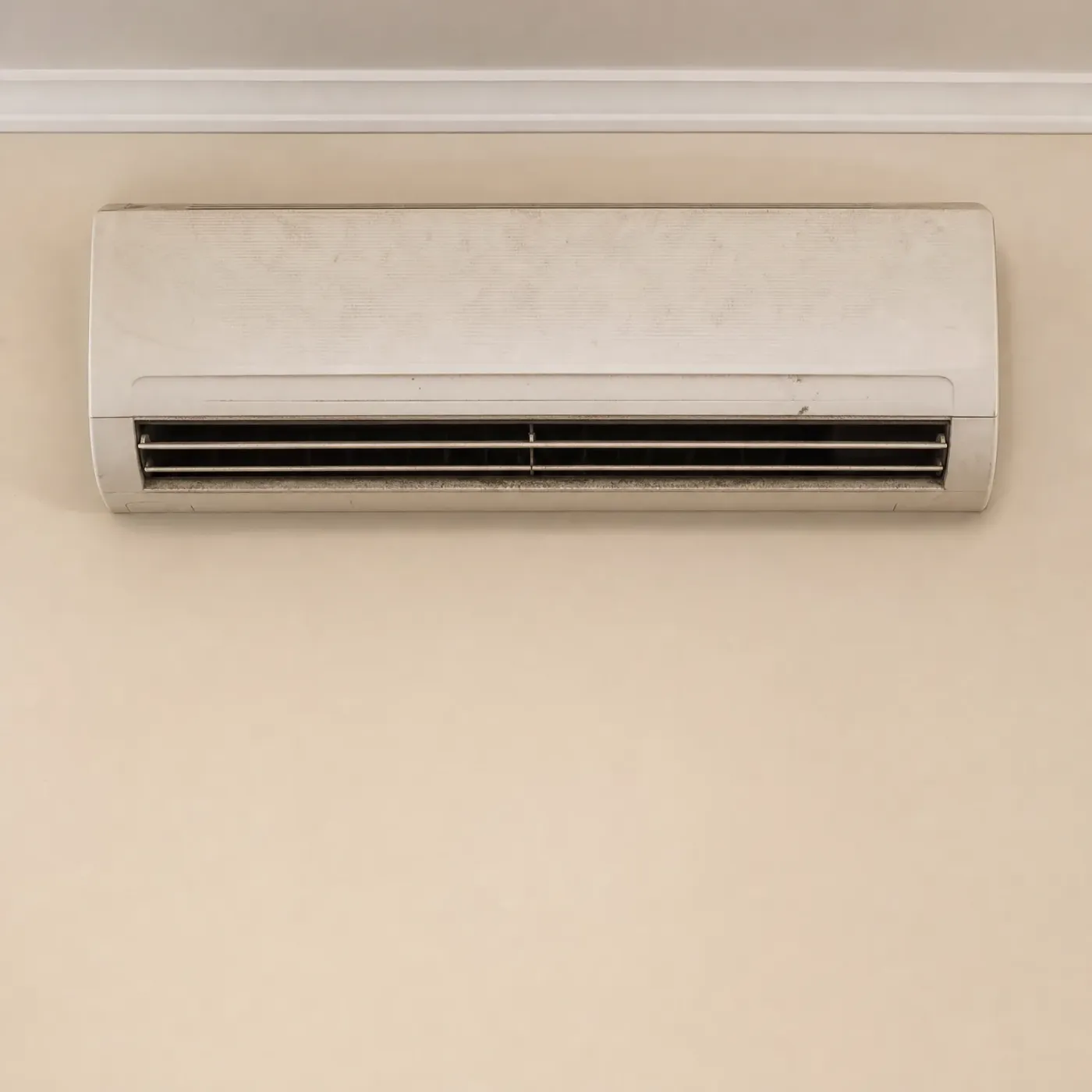
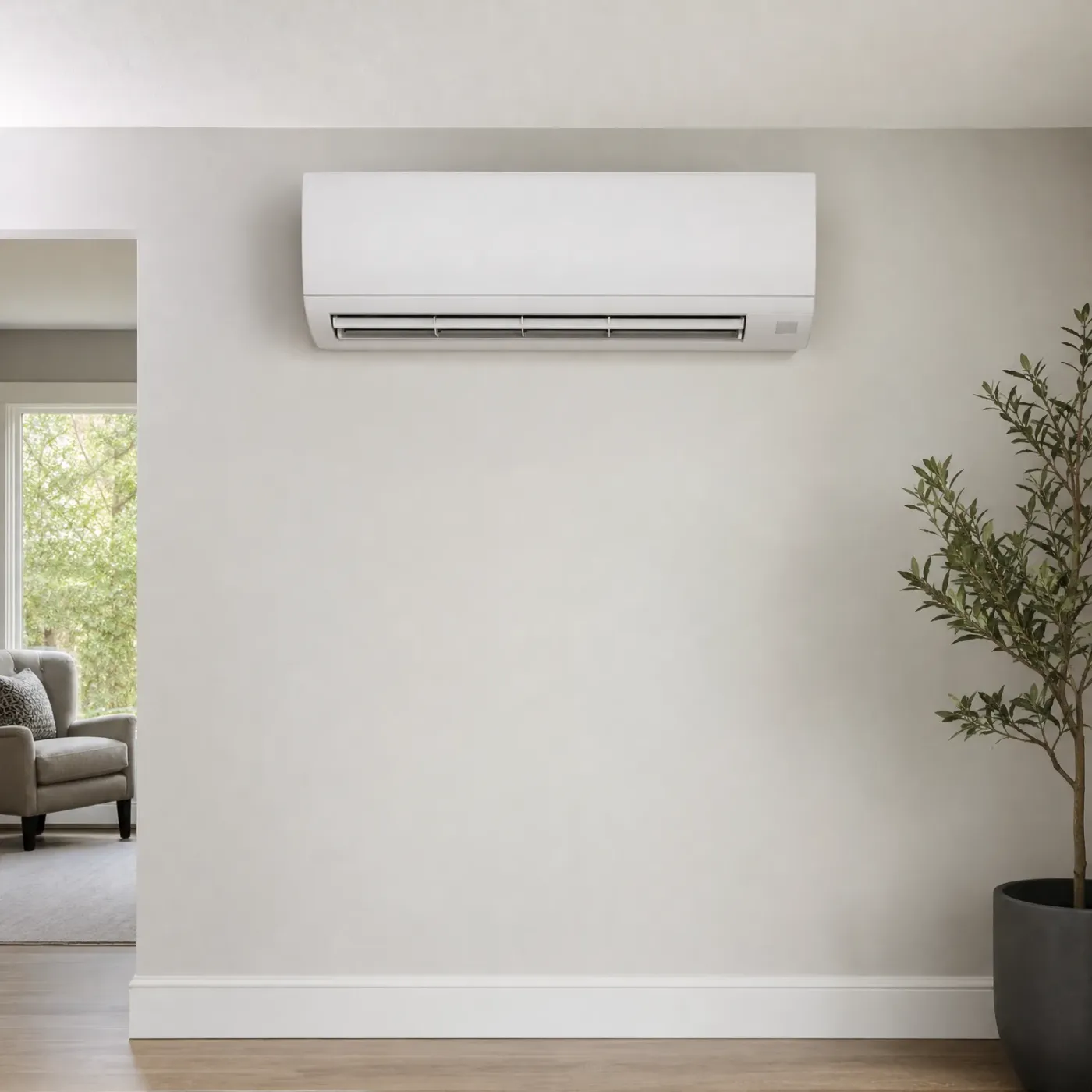
How does a mini split actually move heat instead of making it?
You keep hearing that a mini split "moves" heat rather than making it, but that's a strange idea if you're used to baseboard heaters or a furnace with a heating element. Something has to get warm somewhere. You want to know what's actually happening inside the unit when it's 35 degrees outside and your living room is still warm.
It pulls heat out of the outside air and pumps it inside
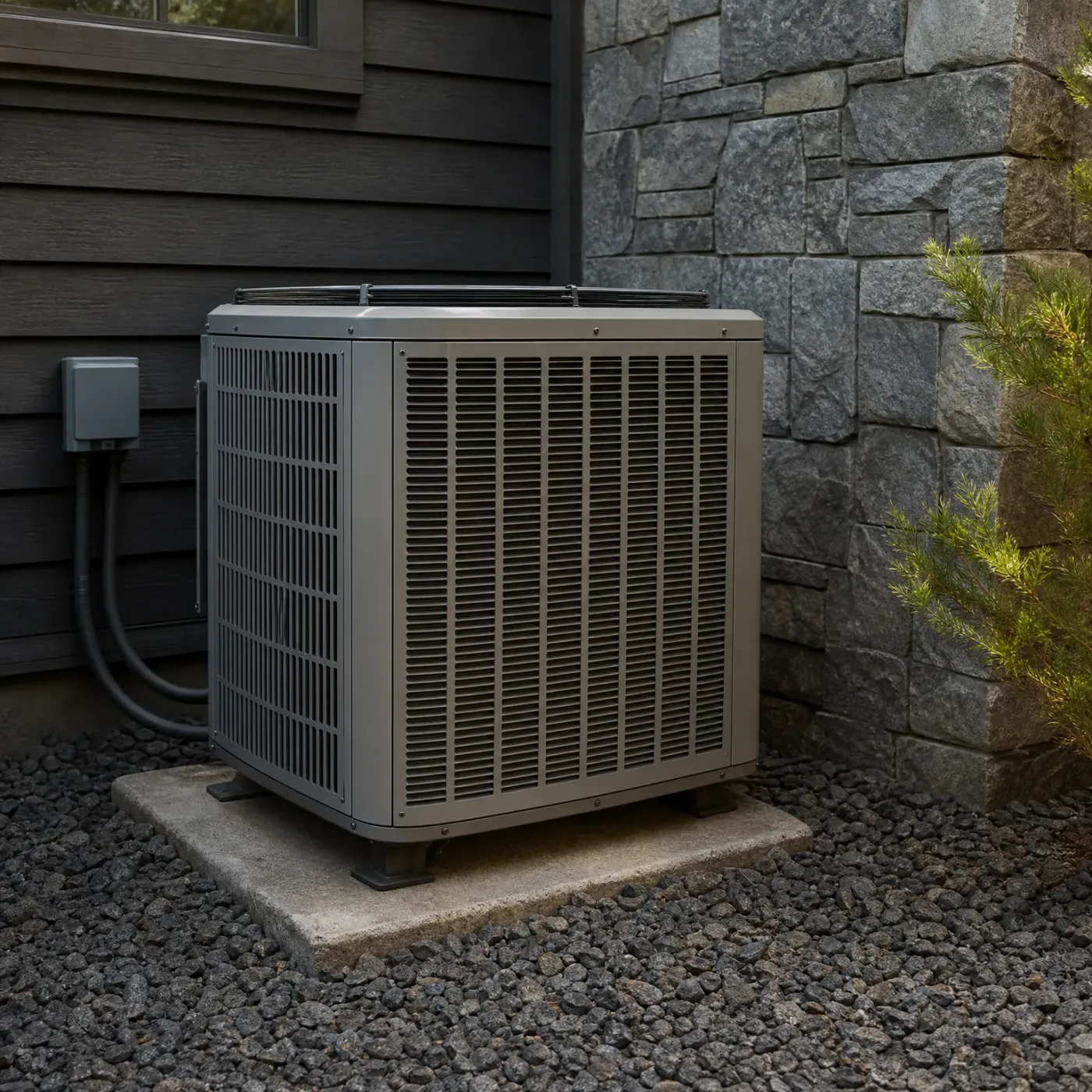
A mini split runs refrigerant through a loop between the outdoor unit and the indoor head. Outside, the refrigerant is colder than the air around it, even in winter, so it absorbs heat as it passes through the outdoor coil. A compressor squeezes that refrigerant, which raises its temperature further, then sends it inside where the indoor coil releases that heat into your room and a fan pushes it out. The refrigerant cycles back outside to pick up more heat and repeat the process. No element is heating the air directly. That's why it costs less to run than baseboard heat, which has to generate every bit of warmth from the electricity it uses rather than just moving what's already outside.

Summer dew points here average 53°F across June, July and August, a figure from NOAA climate data for Washington. That's dry air as these things go, nothing like the thick heat you get east of the Rockies. For your mini split, that matters more in winter than summer. A heat pump pulls warmth out of outside air, and it works harder when that air is damp and cold at once, since moisture on the outdoor coil has to be dealt with before heat gets moved at all. Drier air means less of that fight. You'll notice it as steadier output on cold mornings and less frosting on the outdoor unit than a mini split would see in a muggier climate.
NASA POWER T2MDEW county cells weighted by homes
Skip calling around
A mini split works better matched to your house than guessed at, and that's where the install matters as much as the equipment. Undersized for the coldest nights here, or set up without a plan for the room it's replacing baseboard heat in, and the savings on your bill shrink fast. Getting that right means someone who works on these units through a full Washington winter and knows which setups actually cut into electric heat costs and which ones just add a unit without taking the old heater fully out of the job. Finding that person yourself means calling around, explaining your house and your current heat each time, then sitting with quotes that are hard to compare because no two contractors spec the job the same way. Handing it off instead means one local contractor, licensed and familiar with this equipment in homes like yours, gets your request directly. You're still the one deciding what gets installed. You just stop being the one tracking down who's qualified to tell you.


Power costs 13.17 cents per kilowatt-hour statewide
At 13.17 cents a kilowatt-hour, every unit of heat your mini split moves instead of makes is worth more. That's why the gap between it and baseboard heat shows up clearly on your bill, not just in theory.
EIA-861 2025 statewide residential average




Baseboard Heat vs Mini Split
Baseboard heat
- Every watt it uses turns straight into heat, so the bill tracks your usage with nothing working in your favor.
- At 13.17 cents a kilowatt-hour, that direct conversion costs more per degree of warmth than a system that moves heat instead.
- It heats evenly within a room but gives you no way to pull more warmth out of the power you're paying for.
- Each room's heater runs on its own thermostat, so a drafty room runs its heater harder with no outside help.
- There's no outdoor unit and nothing to size against your coldest nights, since it has no capacity limit to hit.
Mini split
- It pulls warmth from outside air and moves it in, so a unit of electricity can deliver more heat than it would as resistance heat.
- That gap only pays off if the unit is sized for the room and for how cold it gets here on the worst nights.
- A unit meant for a small bedroom won't carry a larger open space, no matter how long it runs.
- Installed well, it heats the room it's assigned to without leaning on the baseboard heat still wired in behind it.
- Getting that sizing right is a job for someone who installs these in homes around here every season and knows what spec actually holds up.

Refrigerant inside the outdoor unit absorbs heat from the cold outside air.
The compressor pressurizes that refrigerant, raising its temperature further.
Hot refrigerant travels through the line set to the indoor head.
The indoor coil releases that heat as the blower pushes it into the room.

So the answer is yes, with power at 13.17 cents
A mini split lowers a heating bill in Washington when it's replacing baseboard heat or an old electric furnace, because it moves heat instead of making it, and at 13.17 cents a kilowatt-hour that difference shows up every month. Where it lands depends on the house it's going into and whether the unit is sized for the coldest nights you actually get, not just the mild ones.
That's the part worth getting right before anything goes in the wall. Finding someone to do it usually means calling around, explaining your house and your current heat setup to each one, and lining up quotes to see who actually knows the equipment. This connects you with one licensed Washington contractor who installs mini splits all year and knows what sizing and setup actually hold up through a winter here, so you're not doing that legwork yourself.


Mini Split Installation
Describe it once

- Describe your mini split job, and a local pro who handles it gets in touch.
- A local installer who puts in mini splits gets your project.
- Once you send the form, finding a pro is off your list.
- After you send the request, you're done searching.

- Fill out one short form instead of calling around.
- Explain the job once and skip repeating it on every call.

- The pro who reaches out is licensed in Washington.
- Only one pro gets your request, so you hear from one company.