







Can a mini split be your only heat in Washington

Get in touch with a local installer about a new mini split.

Match me with a pro

Can a mini split be my only heat in Washington?

You already have a mini split, and you're wondering if you still need a backup furnace or baseboard heaters, or if the mini split can carry your house through the winter on its own.

Yes, a modern mini split can heat your home all winter

A mini split pulls heat from the outside air even when it's cold out, and newer units keep doing this well below freezing. Washington winters don't test that limit the way a place with harder cold would. Since most homes here already heat with electricity, running a mini split as your only heat source doesn't change how your house is set up, just what's doing the work. The main thing that decides whether it can carry the whole house is whether it was sized and placed to reach every room, including ones farther from the unit. A mini split sized for one room won't heat the next one over.

A gray-haired, bearded man in a dark coat dusted with snow stands smiling in a dimly lit room with a lamp, mirror, framed art, and a sofa in the background.
An older man with white hair and a beard, wearing a dark snow-dusted coat and scarf, stands in a warmly lit interior hallway with a framed landscape picture, a table lamp and a potted plant behind him, and a snowy view through a window at left.
An older man in a dark snow-flecked overcoat and scarf stands smiling in a warmly lit home entryway, with a glass-paned door showing darkness outside and a lamp-lit room visible through a doorway behind him.
An older man with gray hair and a beard, wearing a dark snow-dusted jacket and scarf, stands smiling in a warmly lit interior hallway with a lit table lamp, a vase of dried branches, and a framed picture in the background.

Mini split alone or with backup

Mini split only

  • One system to run and maintain instead of two, so there's only one filter to check and one unit to service.
  • Electric heat is common in Washington and power here is cheap, so running the mini split on cold days doesn't carry the sting it might elsewhere.
  • A mini split's output drops as the outdoor temperature drops, so on the coldest nights of the year it has less heat to give right when you need the most.
  • If the unit ever fails in January, you have no second system to fall back on while it gets fixed.
  • Some mini splits are built and sized to handle real winter cold, but not every unit on the market is, so the one you have matters.

Mini split plus backup

  • A second heat source covers the handful of nights each winter when the mini split's output is at its weakest.
  • If the mini split needs a repair, baseboard heat or a furnace keeps the house warm while that gets sorted out.
  • Running two systems means two things to maintain, and in most homes the backup sits unused the rest of the year.
  • Electric baseboards are simple and rarely fail, so they're a dependable fallback even if they cost more to run than the mini split.
  • Whether a backup makes sense depends on how your specific mini split is sized and rated for cold, not on mini splits in general.
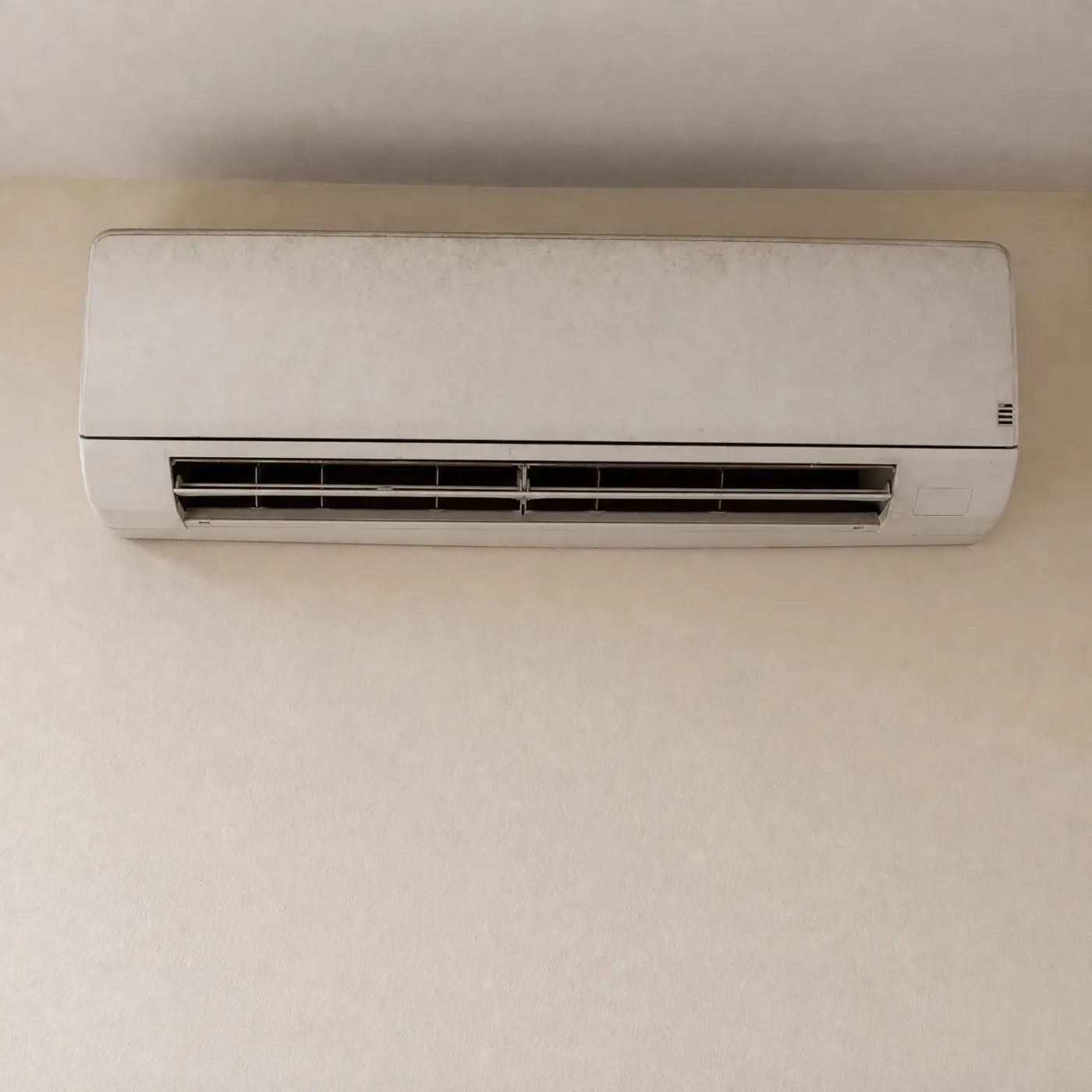
A white wall-mounted mini-split air conditioner indoor unit with visible dust and discoloration, installed near the ceiling on a plain beige wall.
Before you get your mini split installation
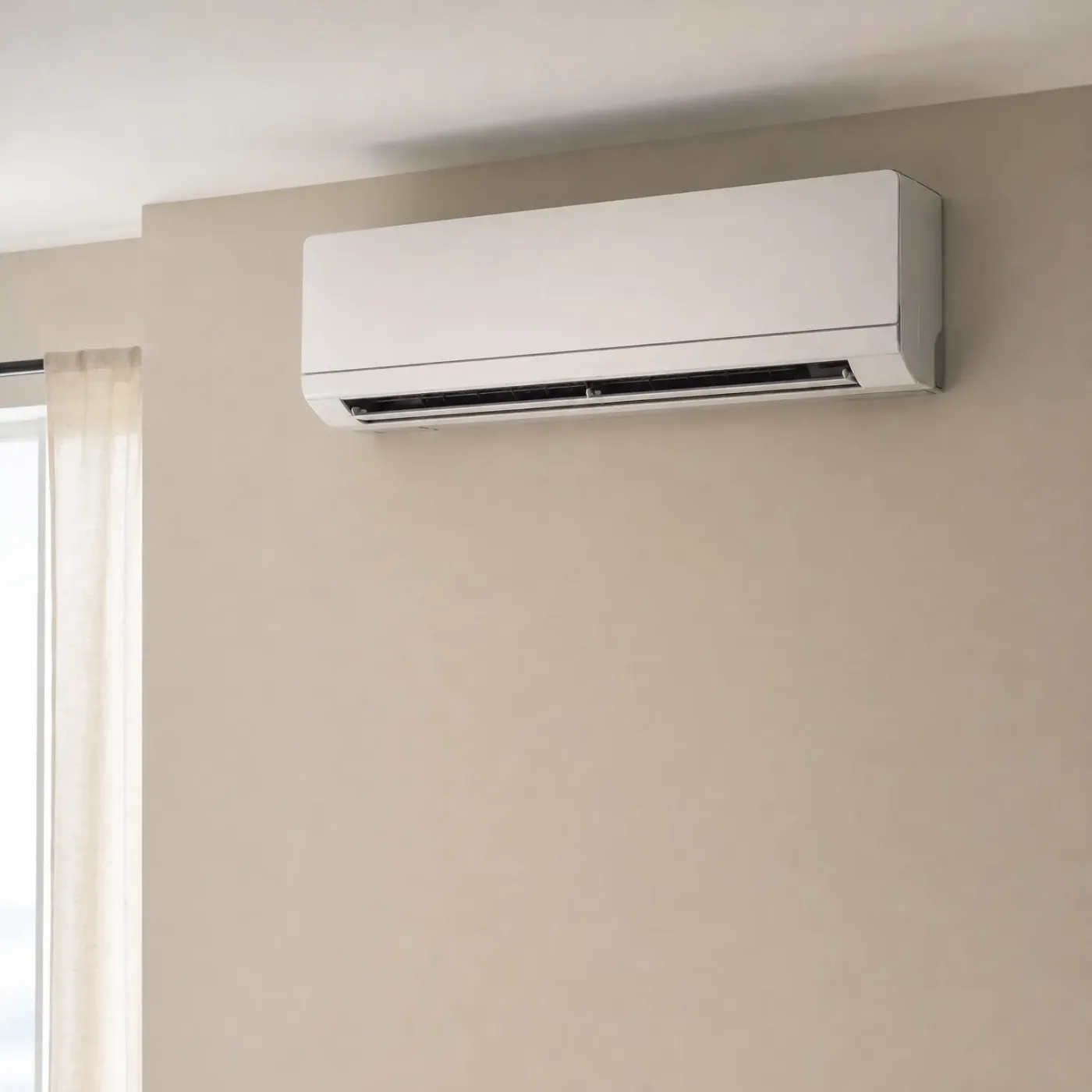
A white wall-mounted mini-split air conditioner installed high on a beige interior wall near the ceiling, with a sheer curtain and window at the left edge.
After you get your mini split installation

How a mini split heats

A mini split doesn't make heat the way a space heater or a furnace with a heating element does. It pulls heat out of the outside air and moves it inside, even when that air feels cold. The colder it gets outside, the harder the unit has to work to pull heat from it, and the less heat it can move per minute. That's why the rating that matters for a Washington winter isn't the number on the box at 47 degrees, it's the number at 5 or 17 degrees. A contractor sizing your system checks that low-temperature rating against the coldest nights your area actually sees, not just the mild average.

Why the house matters too

A mini split can only heat as well as the house lets it. Heat moves toward cold, so a house that loses heat fast through its windows, walls or attic will feel a drop in temperature even from a unit that's running fine. A single indoor head also has to carry heat to every room, and rooms far from it or closed off by doors will run cooler than the room it sits in. None of that means the mini split has failed. It means the house and the layout are part of whether one unit alone is enough, which is exactly what a contractor walks through before calling it your only heat source.

A woman wrapped in a cream textured blanket sits in an armchair beside a lit lamp and a dark window, with an open book in the foreground.
A smiling older woman with gray hair in a cream knit sweater stands in a dimly lit kitchen beside a window showing snow outside, with a round loaf of bread on the counter in the foreground.

A mini split pro near you

Fill out one short form instead of calling around.

Asking costs nothing, and the choice to hire stays yours.

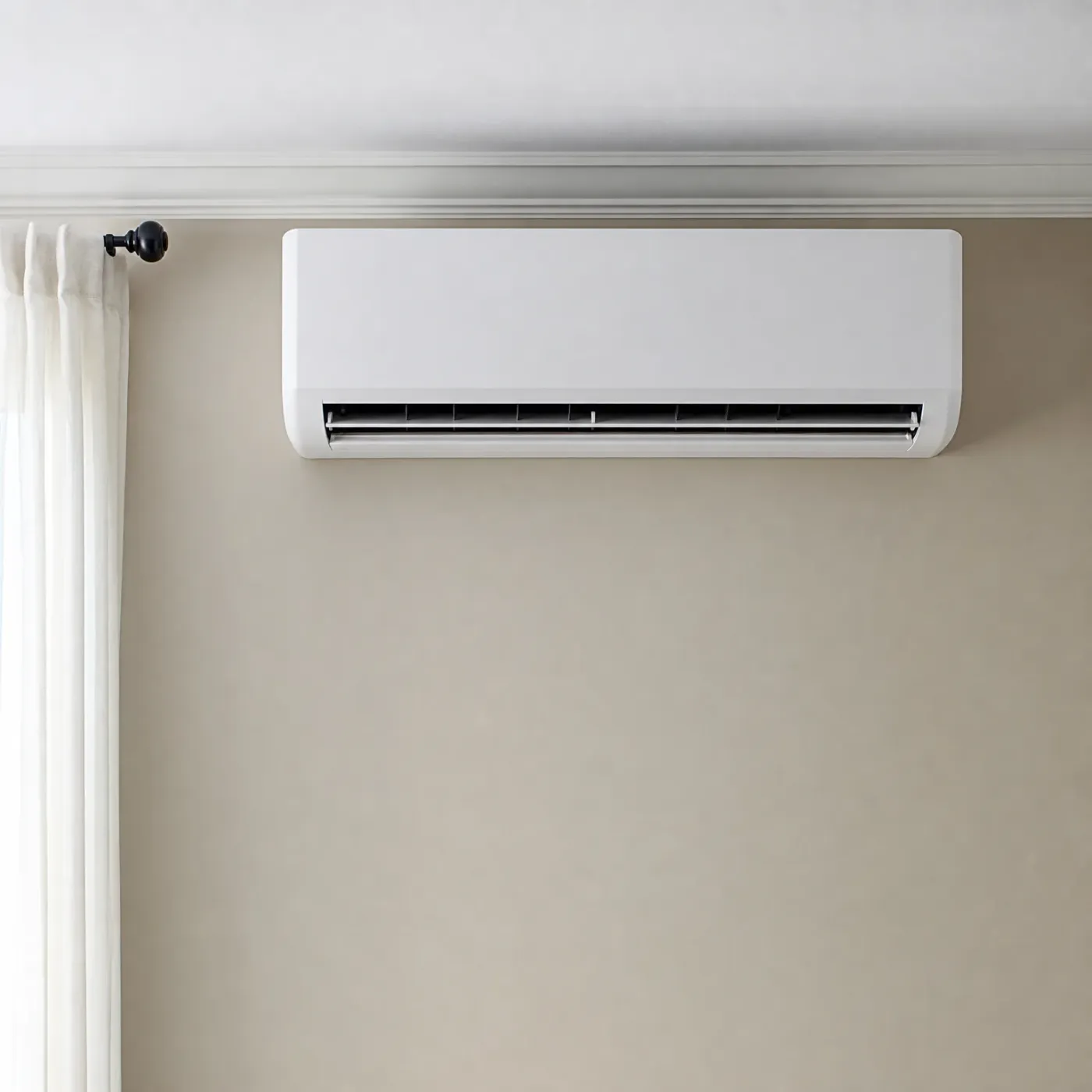
A white wall-mounted mini-split air conditioner installed high on a beige interior wall below crown molding, with a sheer white curtain on a dark rod at the left edge.

Running clean

A mini split that's kept up draws warm air through the coil without a fight. The filter is clear, so airflow across the coil stays strong and the unit isn't working harder than it has to on a cold morning. This is what lets it carry the house through winter on its own.
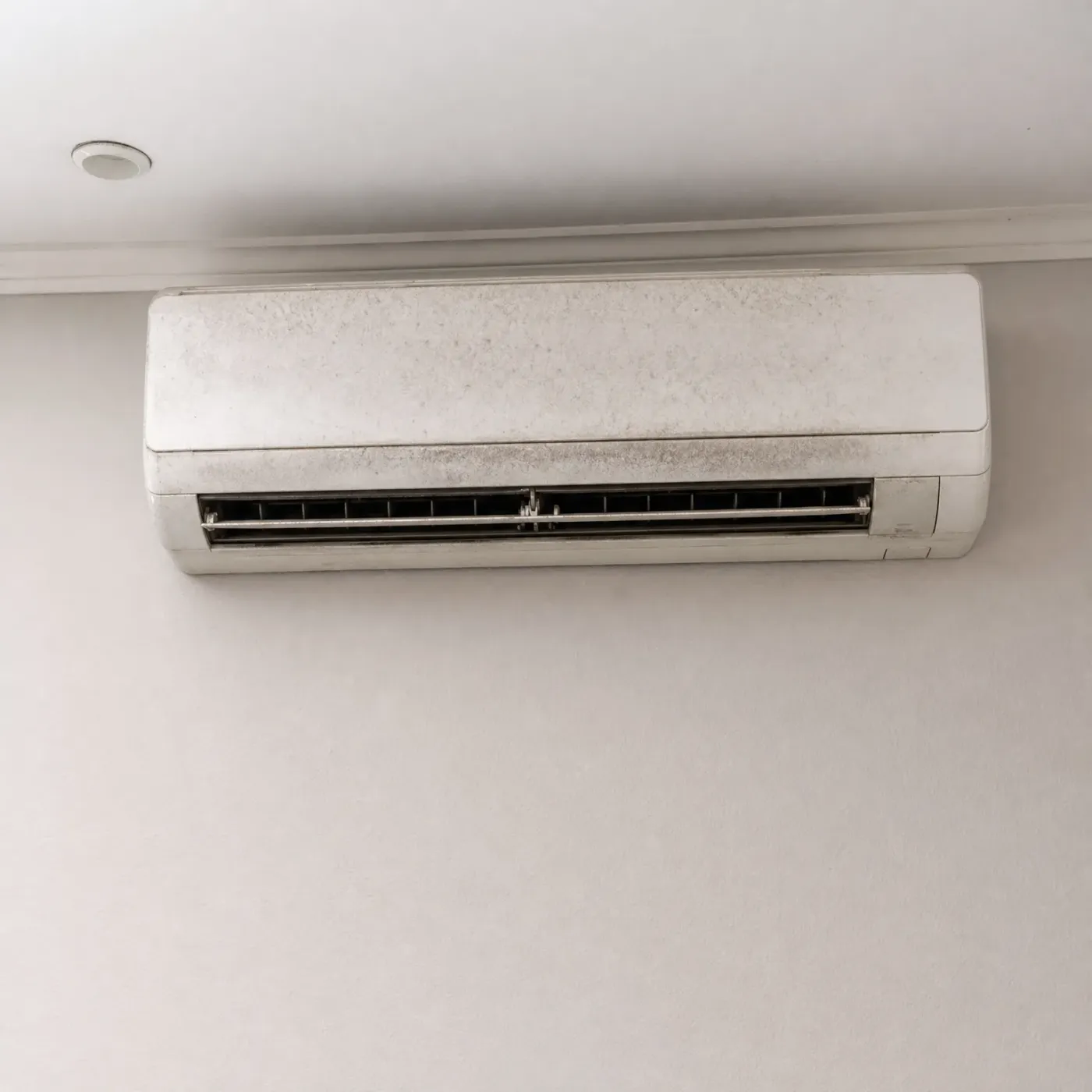

A dusty white wall-mounted mini-split air conditioner unit installed near the ceiling on a plain light-colored interior wall, with a small recessed ceiling fixture at upper left.

Caked in grime

Dust like this on the casing usually means the filter behind it is just as bad. A clogged filter cuts the airflow the unit needs to pull heat from cold air, so it runs longer and still falls short. Left alone, it's one more reason to doubt the mini split can handle winter by itself.

Why does your house feel colder in one room than the rest?

If your mini split is the only thing heating your house, you'll notice it first in the rooms farthest from the unit. A bedroom down the hall stays a few degrees cooler than the room the head is mounted in. You might hear the unit running almost constantly on the coldest mornings, or notice the air coming out feels cooler than it used to even though the unit is still on. Check the outdoor unit too. Ice building up on the coil or the fan struggling to spin means it's working harder than it should to pull heat from the air. Left alone, that strain is what shortens a unit's life and leaves you without heat on the night you need it most.

  1. Outdoor coil pulls heat from the cold air outside

  2. Refrigerant carries that heat inside under pressure

  3. Indoor coil releases the heat into air blown across it

  4. Indoor fan pushes that warmed air into the room

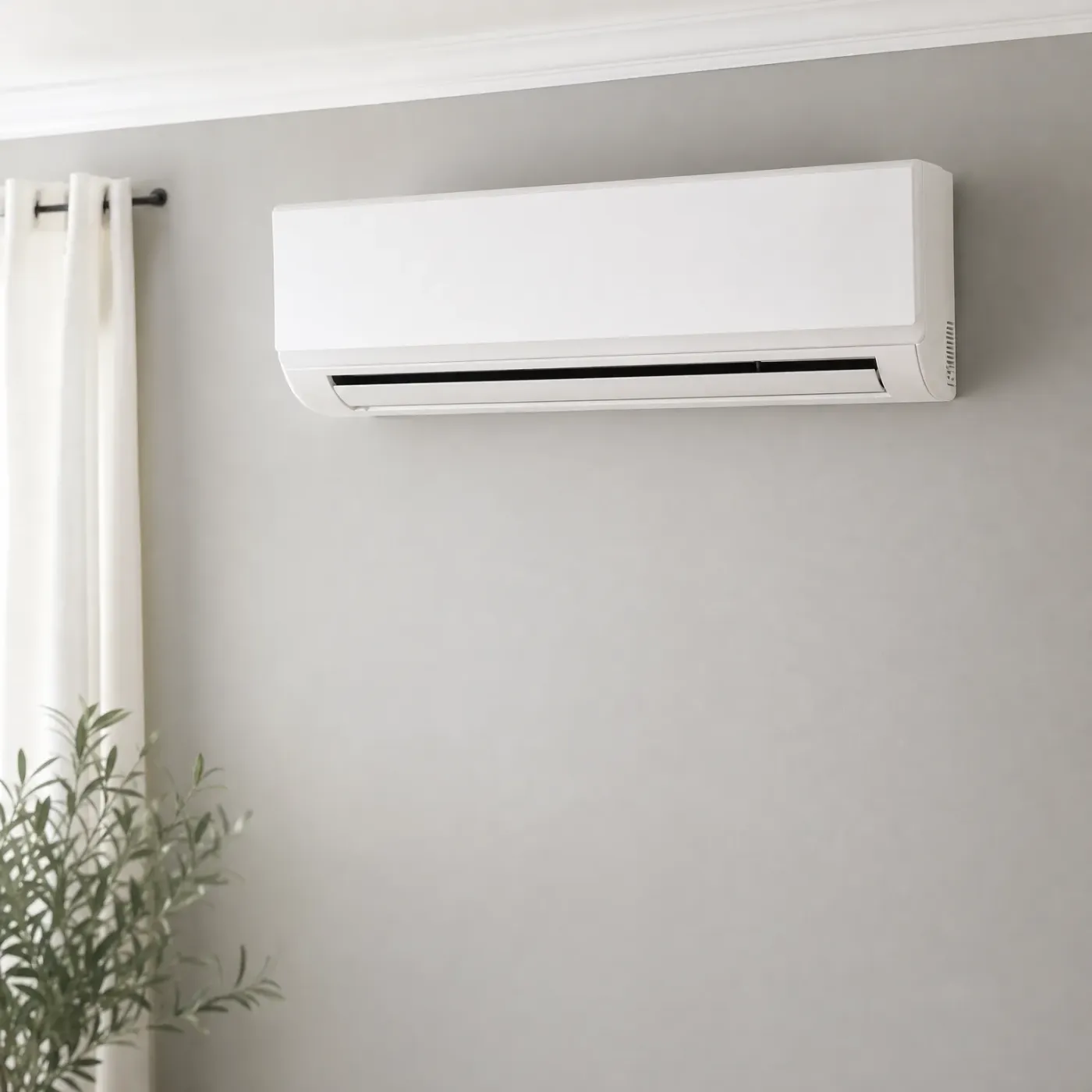
A white wall-mounted mini-split indoor unit on a light gray interior wall, with a white curtain on a black rod at left and a leafy plant in the lower left corner.
A mini split like this moves enough heat into the room to keep up on its own through a cold Washington morning.
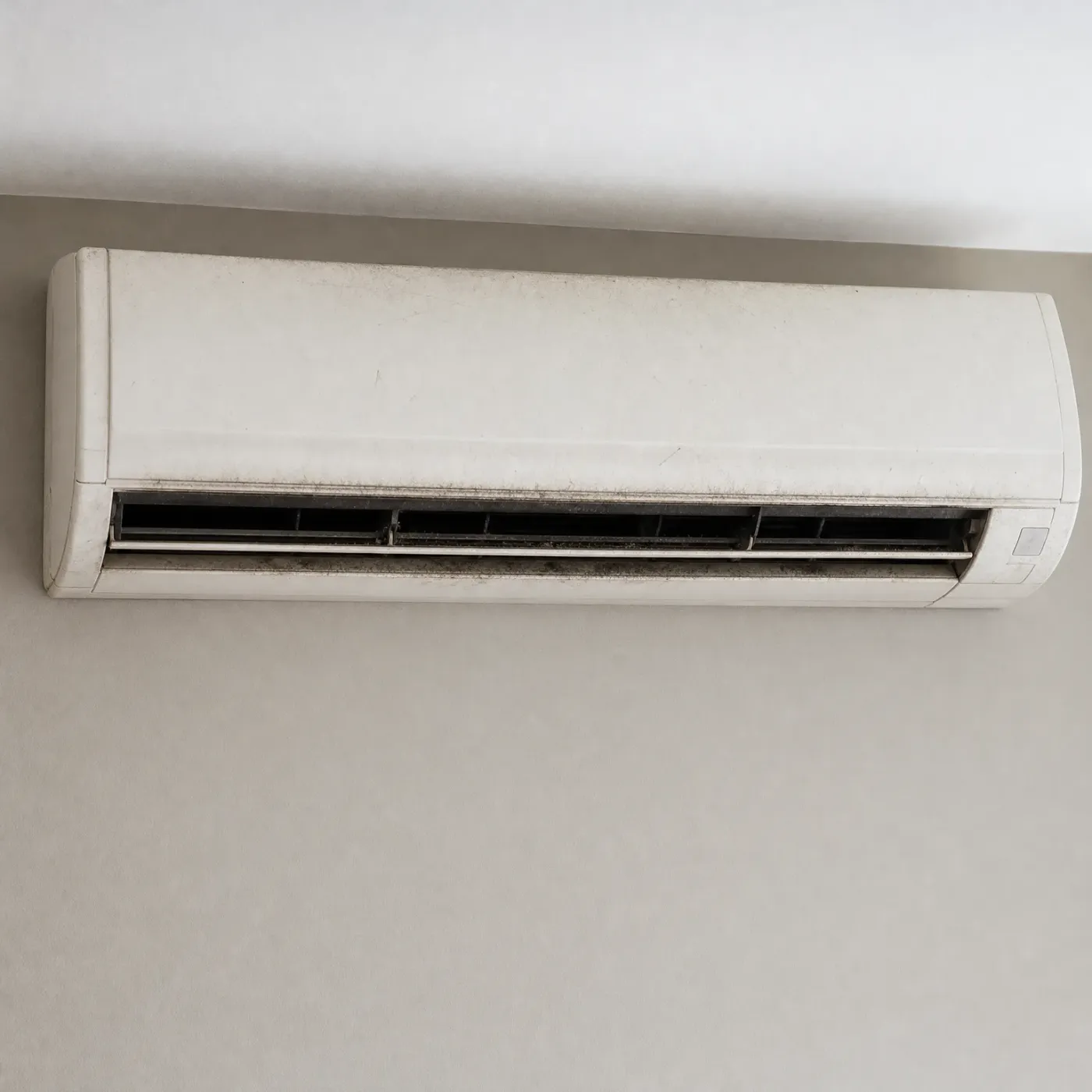
A wall-mounted white mini-split air conditioner indoor unit with visible dust and grime around its outlet vent, installed near the ceiling on a plain light-colored wall.
Dust packed into the vents blocks the airflow it needs, and the unit can't keep the room warm when it can't breathe.

Power costs 13.17 cents per kilowatt-hour statewide

At that rate, leaning on the mini split through winter won't hit your wallet the way it might in other states. Since most homes here already heat with electricity, running it as your only heat source keeps you in familiar territory on the bill.

EIA-861 2025 statewide residential average

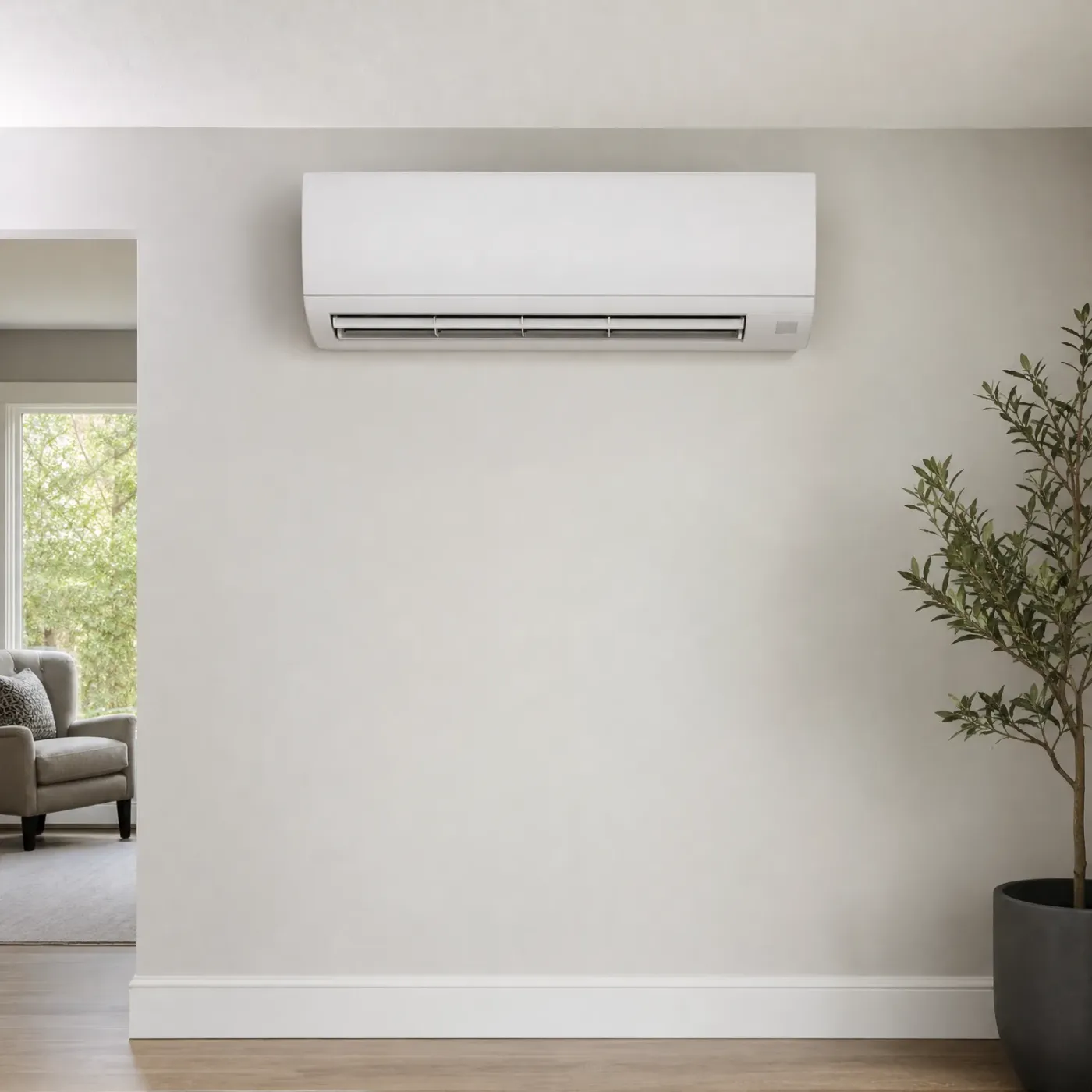
A white wall-mounted mini-split indoor unit high on a beige interior wall, with a potted olive-like tree at right and an armchair and window visible through a doorway at left.

Clear vents, steady heat

This is what a mini split doing its job looks like. Air moves through the vents without resistance and the unit reaches the room without strain. Kept this way, it can hold a room through a cold Washington morning on its own.

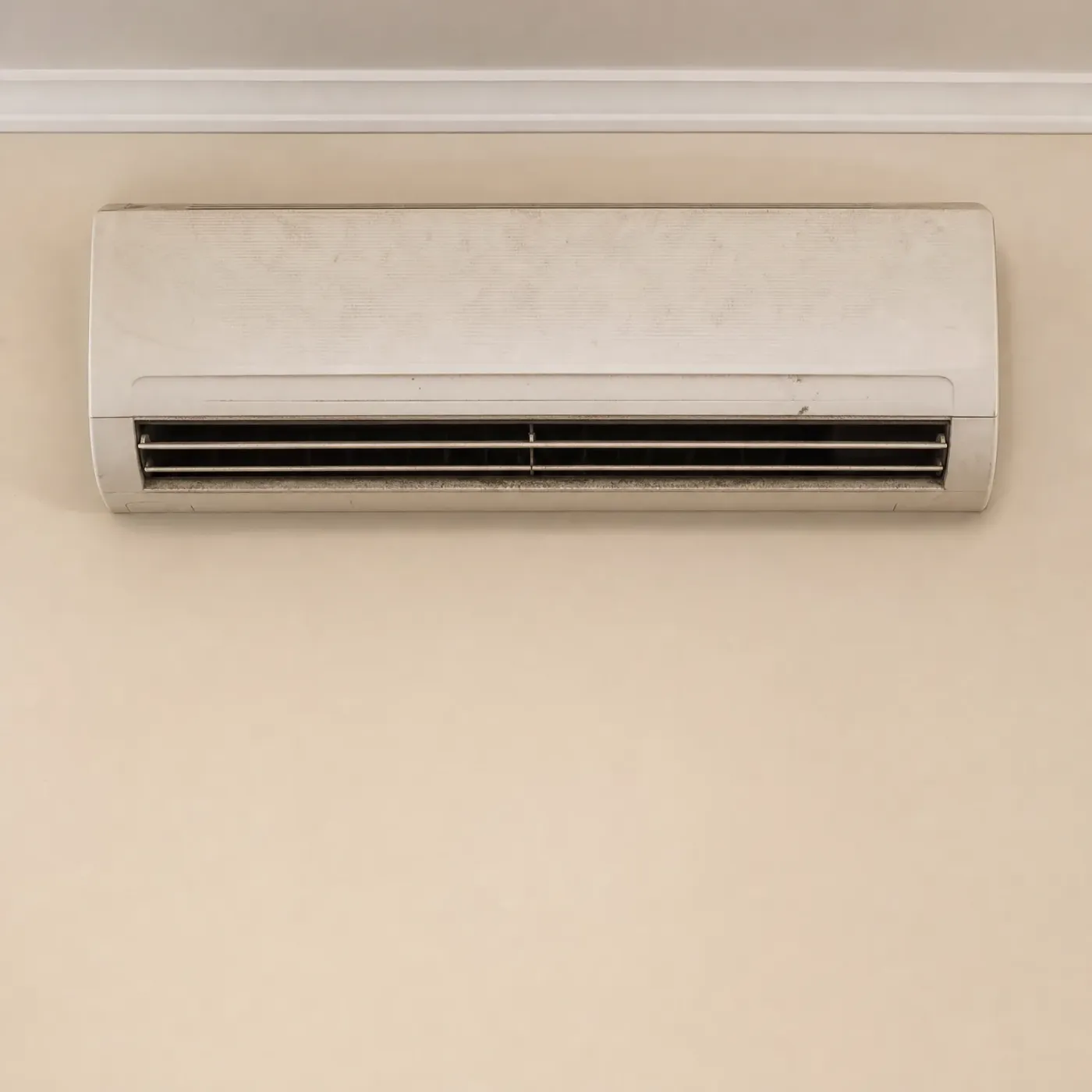
A wall-mounted mini-split air conditioner indoor unit with visible dust and staining, installed on a beige interior wall below white crown molding.

Clogged and losing ground

Dust packed into the vents and casing chokes off the airflow the unit depends on. It still runs, but it can't pull enough warm air into the room, and the house stops feeling like the mini split is keeping up.

A mini split that's sized right and kept up can carry your house through a Washington winter on its own. Whether yours does comes down to how it was installed and how it's maintained, not luck. If you're still weighing whether to trust it as your only heat, the next step is getting someone to look at your house and your unit directly, instead of guessing from general rules. That usually means tracking down contractors, calling a few, explaining the same thing about your house and your mini split each time, then sitting with quotes trying to tell them apart. You don't have to do that part. You already know how the system works and what it needs. What's left is finding the right person to confirm it's set up to do the job, and that's the part that's easy to hand off.

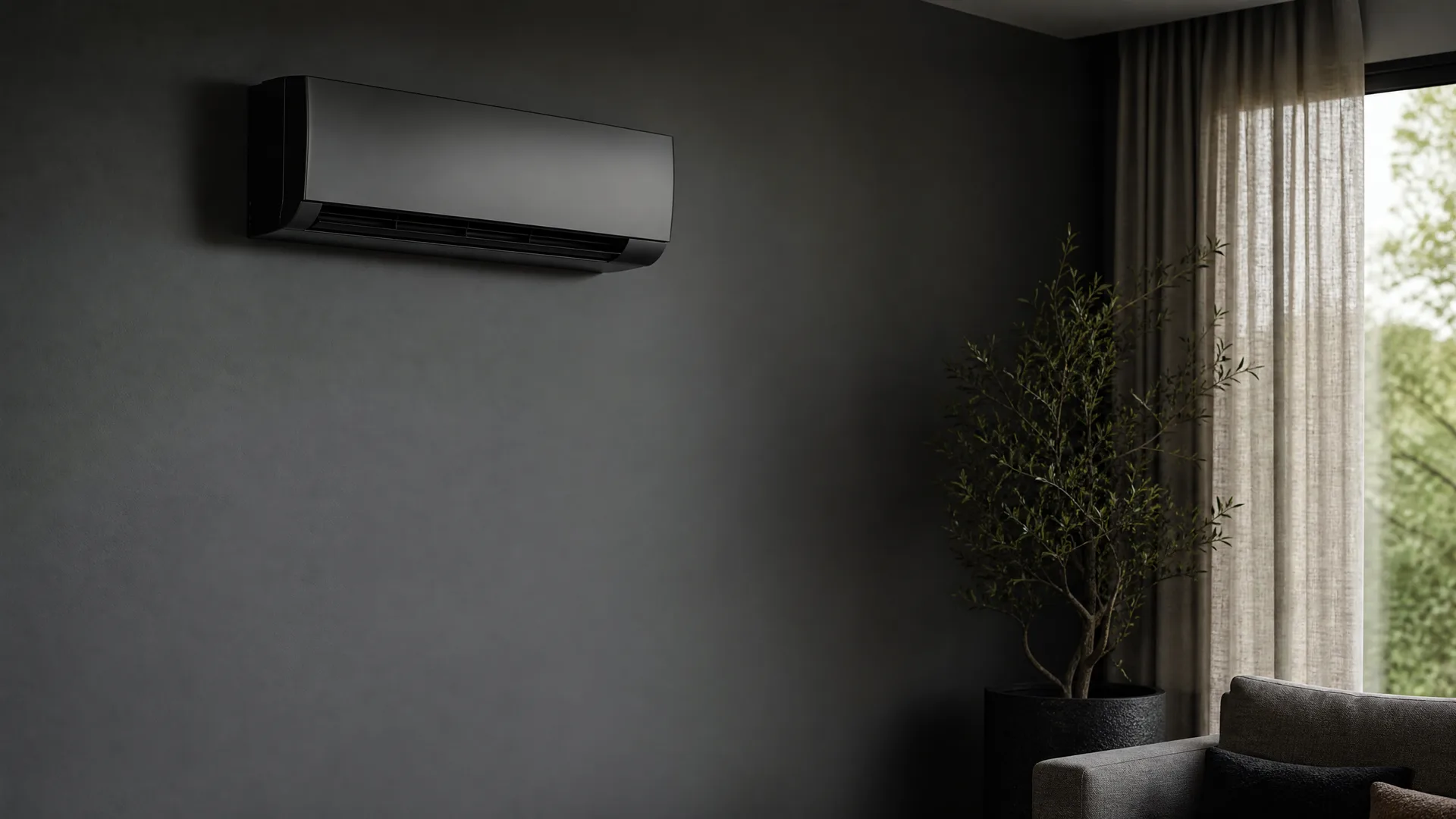
A dark wall-mounted mini-split air conditioner on a gray interior wall, with a potted olive-like tree, sheer curtains over a window showing green foliage, and a gray sofa in the lower right corner.

A local pro for your mini split installation

Explain the job once and skip repeating it on every call.

Step 1 of 3: Equipment