
Setback thermostat
Drop it 8 to 10 degrees at night or while you're out, then raise it again later. The heat strip has to close that gap fast, and that's what drives the bill up.
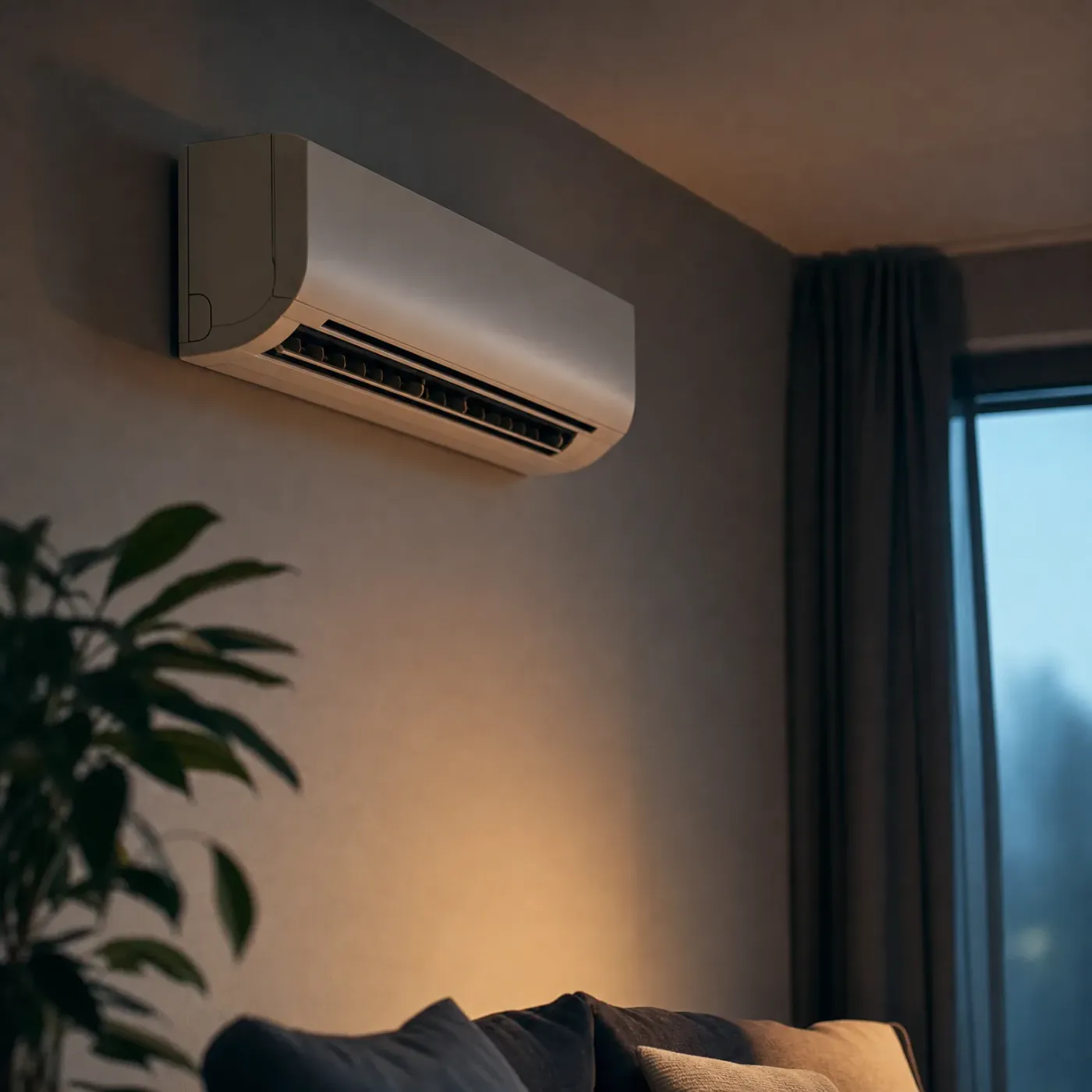
Skip the search
Set it too low and the heat strip kicks in to cover the gap, and that's what runs your electric bill up. Set it right and the heat pump does the work on its own. Below, the setting that keeps it running efficiently through a Washington winter, and when it's worth having someone look at the unit instead of guessing at the thermostat. Skip the search for a contractor, the calls, and repeating the same explanation to company after company. One licensed technician local to you, who services mini splits every winter, takes the call.
Start one formSet your mini split to 68 or 69 degrees and leave it there. Heat pumps work best holding a steady temperature, not swinging up and down. Every time you drop it at night and raise it in the morning, the system has to work harder to close that gap, and on a cold morning it may lean on the backup heat strip to catch up fast. That strip is electric resistance heat, the most expensive way the unit can warm your home. Resist the urge to bump the thermostat up a few degrees when a room feels chilly. A mini split heats slowly and steadily by design. Let it run at one setting through the day and night and it will keep your home warm without leaning on that backup strip. If a room still feels cold at a steady setting, that's usually a sign something else needs a look, not a reason to push the dial higher.
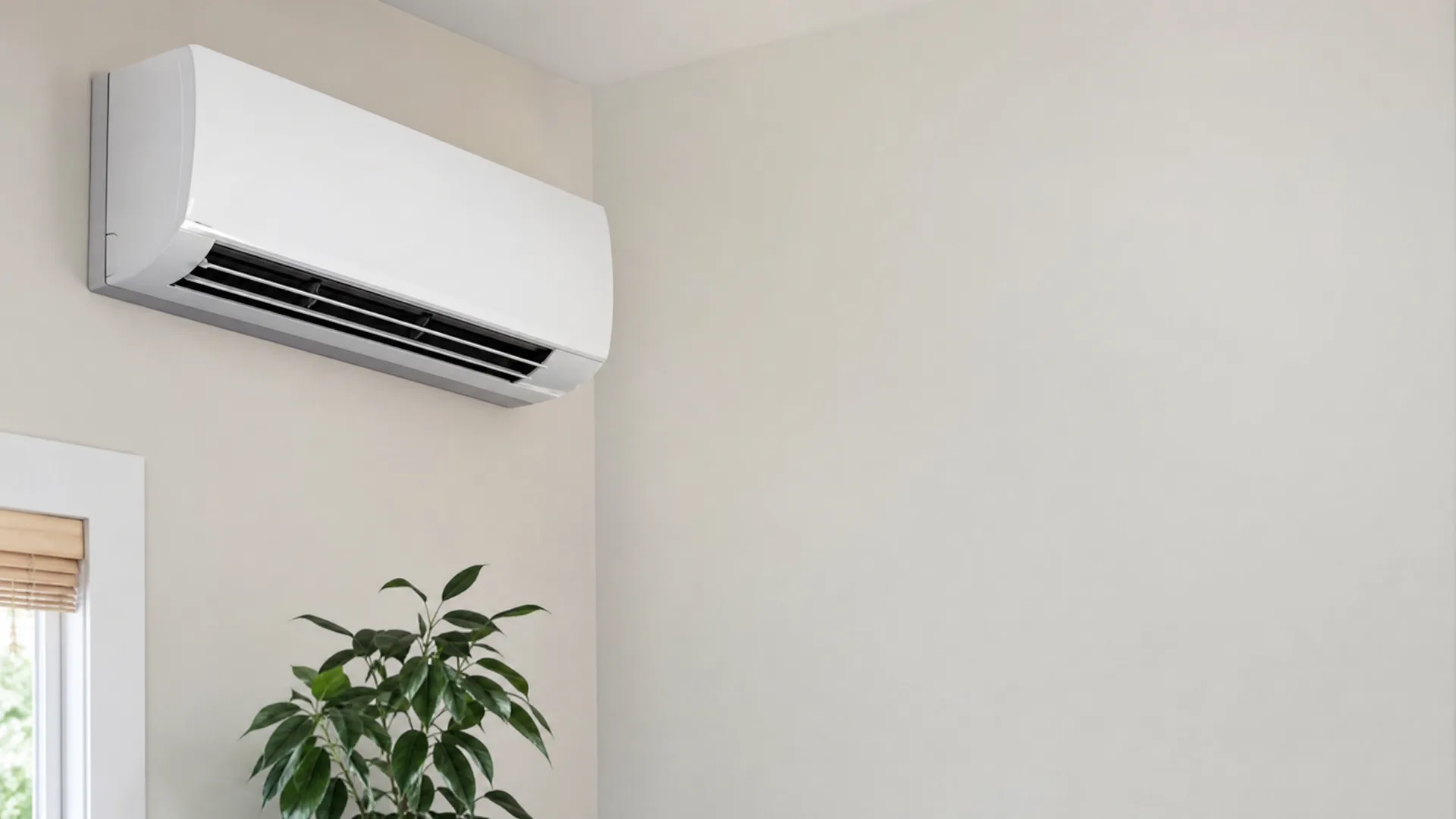
A mini split moves heat from outside air into your house. Down near freezing, there's less heat out there to pull, so the system has to run longer to keep up. Most units have a backup electric heat strip that switches on when the compressor can't close the gap fast enough. It works, but it heats like a space heater, pulling power straight for heat instead of moving it. A unit set to swing wide between day and night temperatures calls on that strip more often than one held steady.
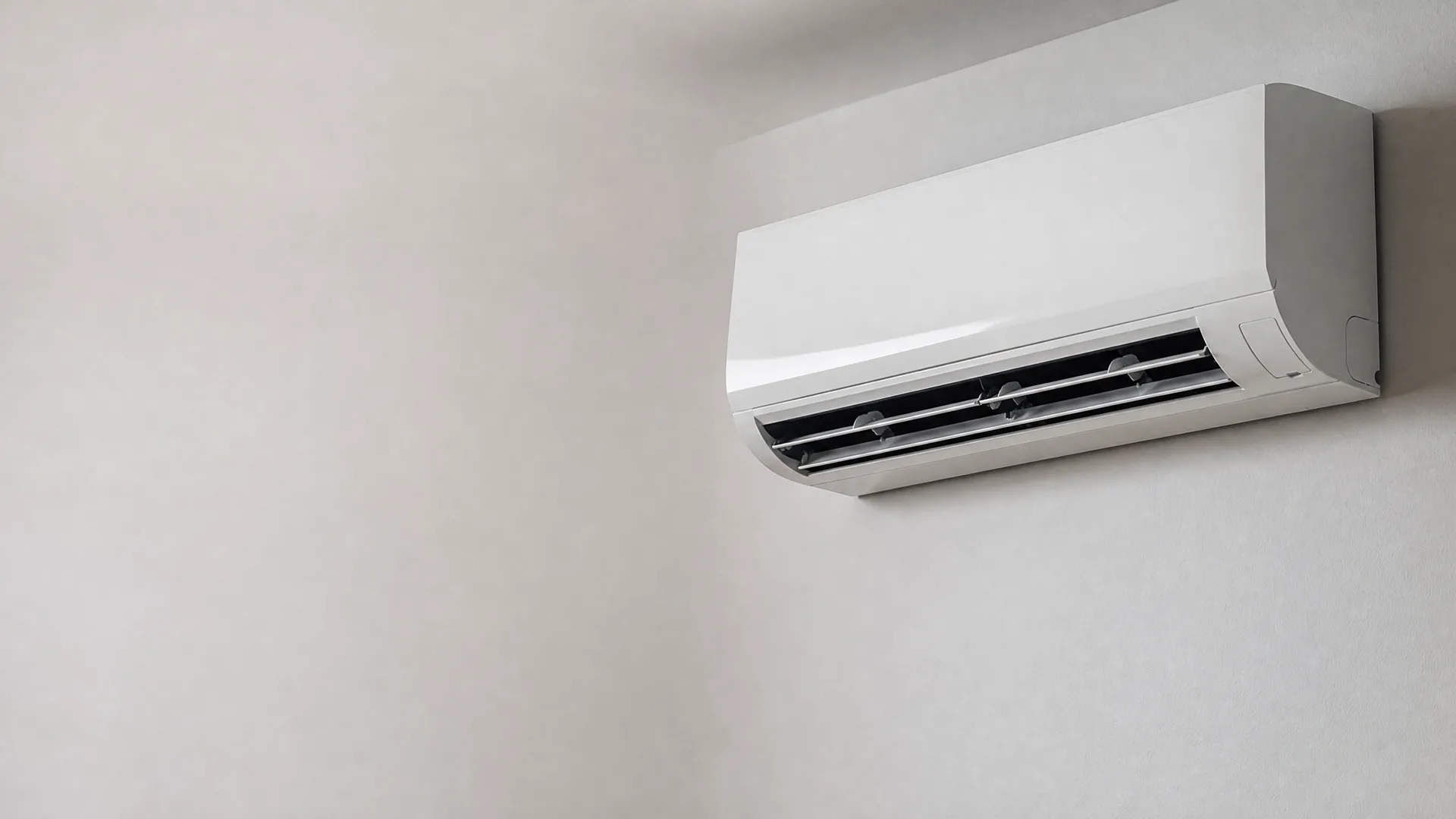
A dirty filter or a coil losing refrigerant charge makes the compressor run longer to hold the same temperature, which is exactly the condition that trips the backup heat strip. A contractor who checks the charge and cleans the coil and filter catches that before winter asks the system to prove itself at 30 degrees outside. Western Washington winters sit in that range for weeks at a stretch, long enough for a system running a little harder than it should to show up on the bill.
You check the thermostat and it says 69, same as always, but the bill is higher than last month's. That gap is usually the heat strip, not the heat pump. If you've been bumping the temperature up a few degrees when you walk in cold and down before bed, or if the unit's been running nonstop and the air coming out doesn't feel as warm as usual, that's the backup heat covering ground the heat pump can't reach fast enough. Left alone through a cold stretch, that's weeks of the heat strip doing work it wasn't meant to do full time, and the bill reflects every hour of it.
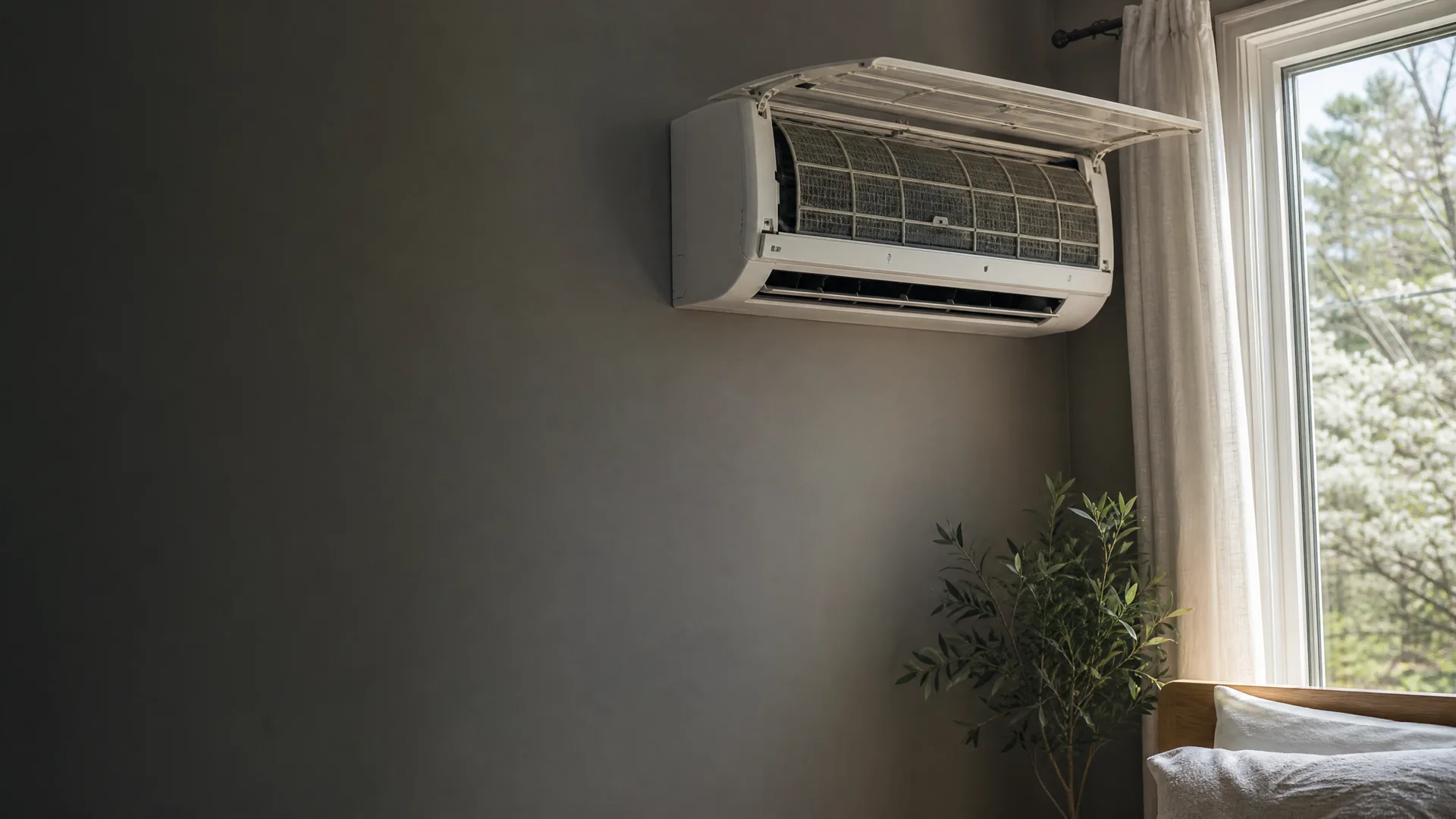
You're in the bedroom on one of the first warm days in April, finally getting around to the filter you keep meaning to check. The cover's lifted, and the screen underneath has gone grey with a winter's worth of dust, the kind that builds up fast when a system runs flat out for months. You run a finger across it and think about every cold night it was pulling double duty, heat pump and heat strip both, just to keep this room at 69. Finding someone to look at the whole unit before next winter means calls, explaining the same thing twice, waiting on quotes. You'd rather it just got done.
A licensed local pro takes the request for your mini split tune-up.
You only hire the pro if you want to.
Leave the mini split at 68 or 69 degrees from November through March and don't touch the thermostat again. The indoor coil and the outdoor unit stay at a steady workload, cycling on and off in short stretches instead of running long to recover from a setback. Maintenance on a system run this way is mostly routine: a clean filter, a clear outdoor unit, a coil that isn't caked with dust. A tech who's serviced it before knows what to check first and how it's been running, and can usually tell you on the spot whether something's wearing out or whether the setup is fine as is.
Drop it 5 or 6 degrees overnight and bring it back up in the morning, and the heat pump has to close that gap fast, which is when the backup heat strip kicks in. That strip is electric resistance heat, not the heat pump itself, and it's the expensive way to warm a house. It also means the system works harder and more often, so parts wear differently. A contractor looking at a unit run this way is checking for different things: a strip that's cycling more than it should, a filter that's dirtier than expected for the time of year, a coil working overtime to catch up twice a day.




Drop it 8 to 10 degrees at night or while you're out, then raise it again later. The heat strip has to close that gap fast, and that's what drives the bill up.
Set it once and leave it. The heat pump holds that temperature on its own most of the time, without the heat strip stepping in to catch up.
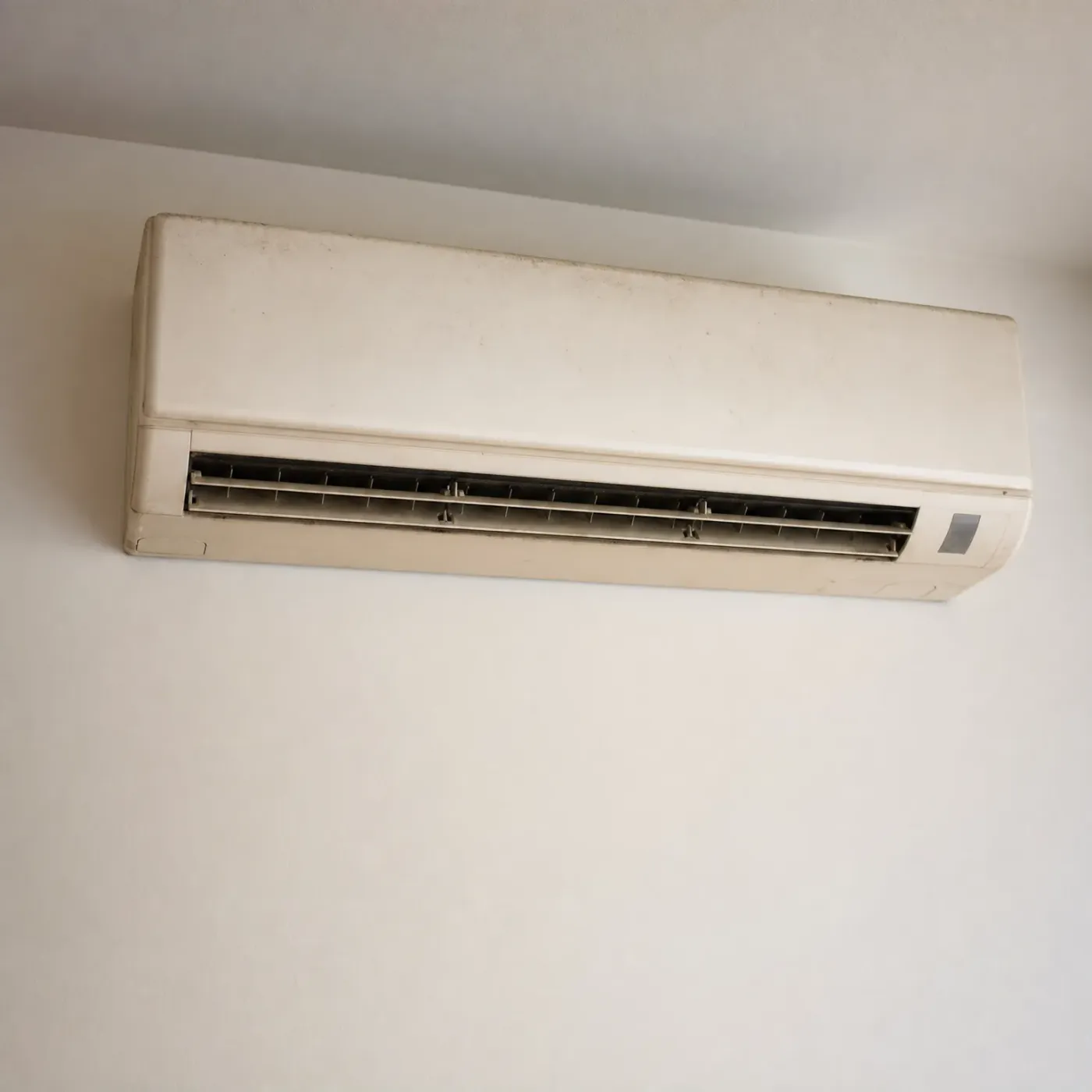
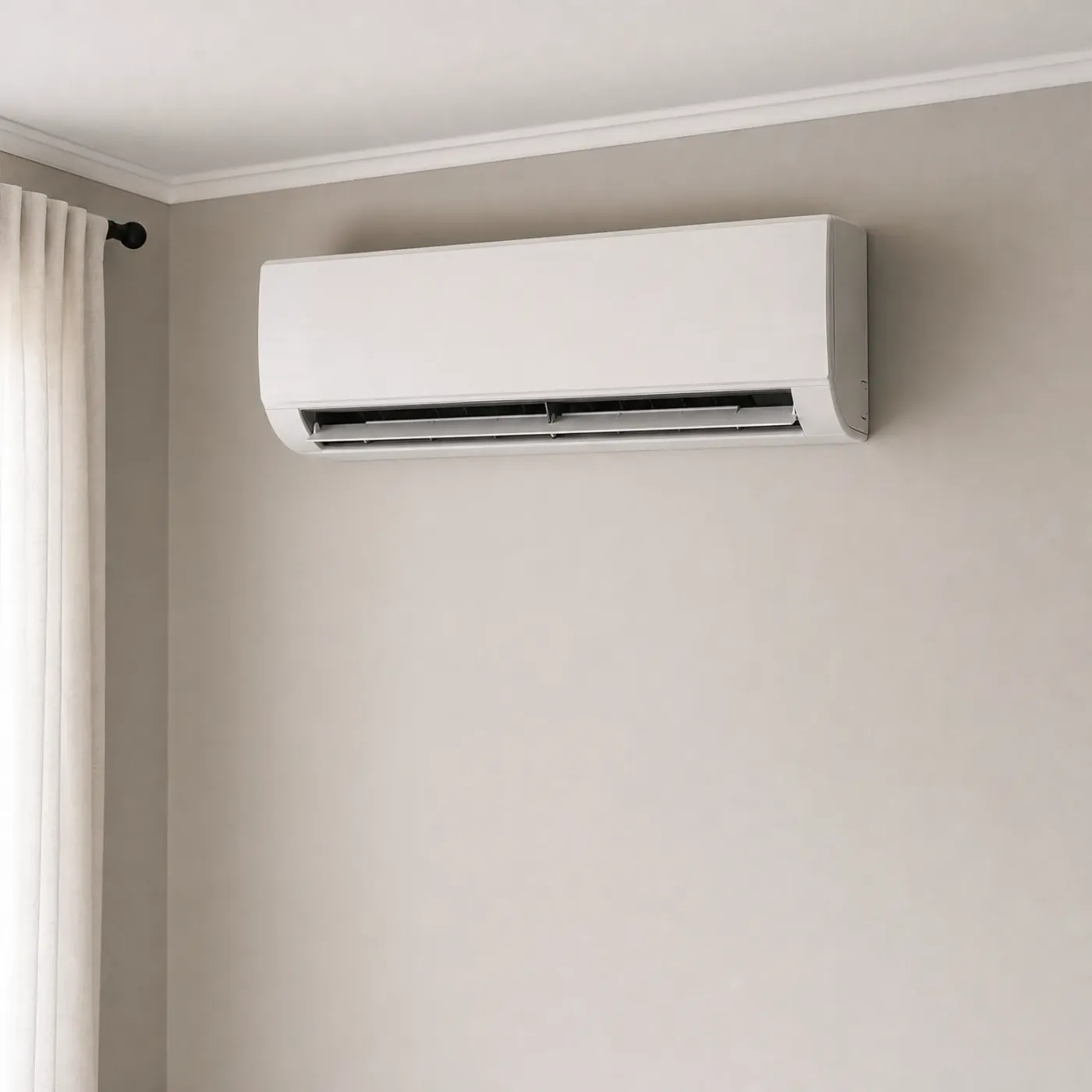

A summer dew point of 53°F, averaged across Washington homes, means the air outside sits on the comfortable side most days. That matters for how your mini split runs the rest of the year too. A system that isn't fighting heavy, moisture-loaded air all summer goes into winter without the extra wear that comes from months of hard runtime. It's one less load on the compressor and coil before the system has to switch over to pulling heat out of cold air. Maintenance before winter is what catches a coil that's gotten dirty or a filter that's restricting airflow, either of which makes the heat pump lean on the backup strip sooner than it should. Source: regional climate averages for Washington
NASA POWER T2MDEW county cells weighted by homes
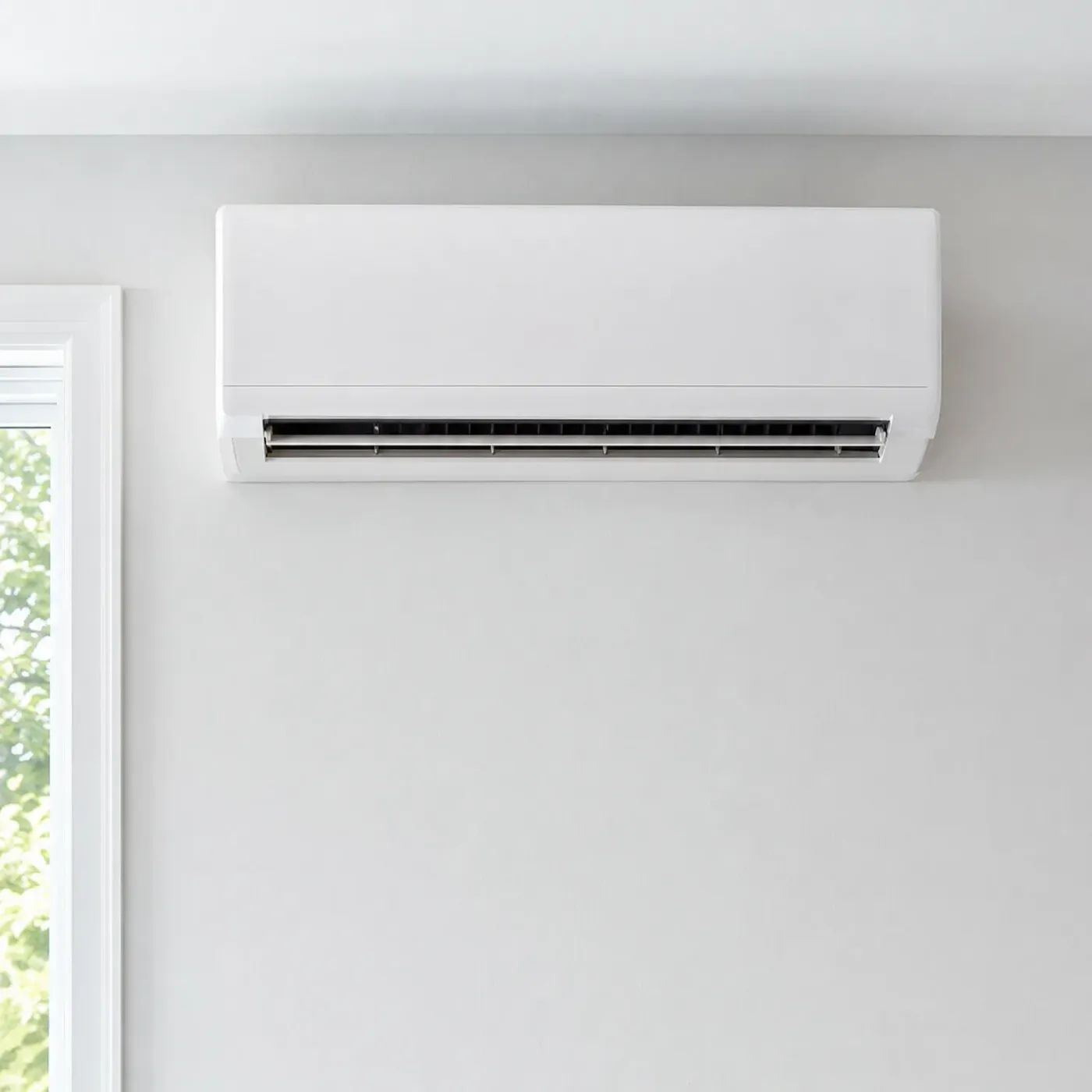
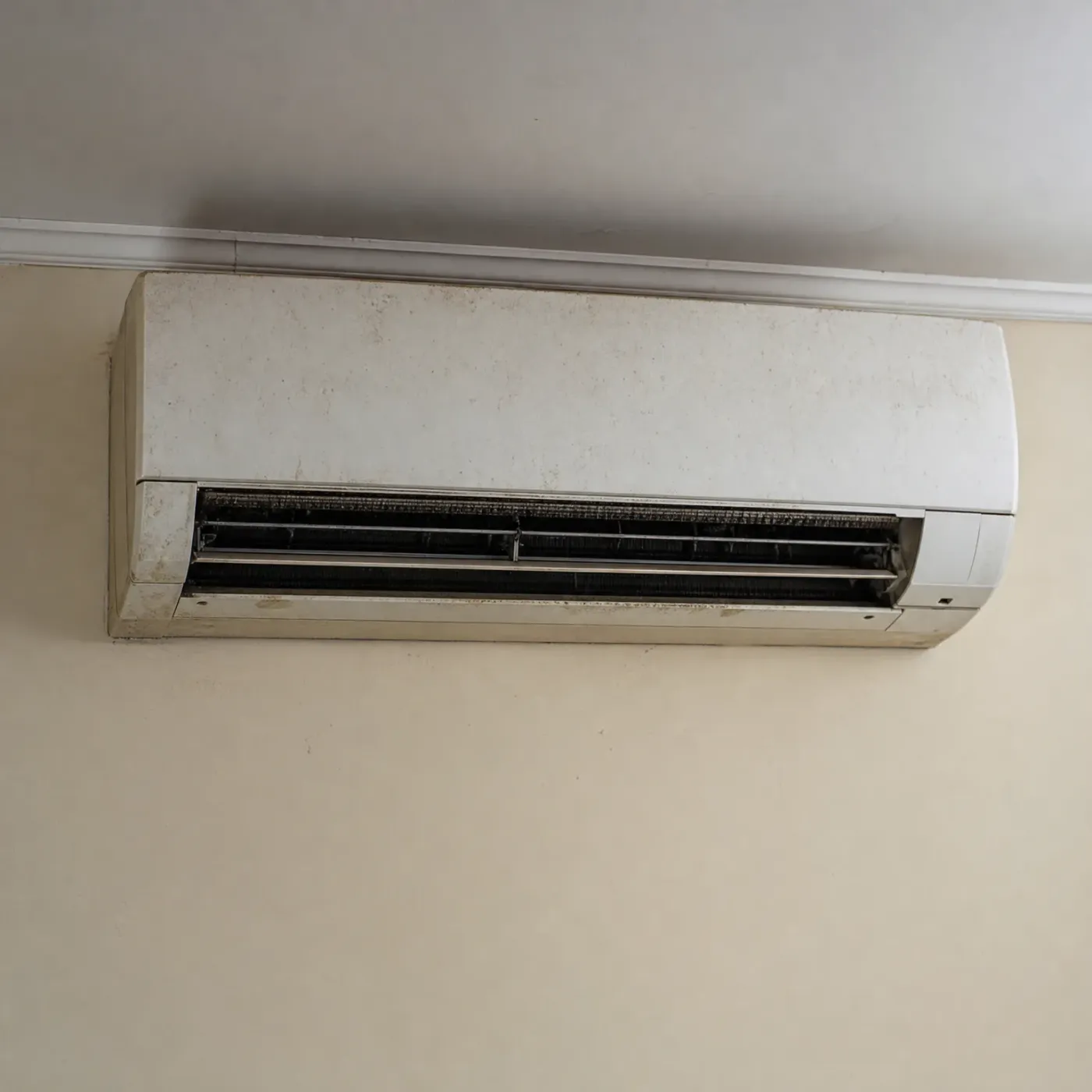


Outdoor coil pulls what little heat sits in cold air.
Refrigerant carries that heat inside to the indoor coil.
Indoor fan pushes warmed air out across the room.
Thermostat calls the heat strip only if demand outpaces supply.
At 13.17 cents a kilowatt-hour, every degree the heat strip has to cover costs more than the heat pump side ever does. Holding 68 or 69 steady keeps most of your winter running on the cheaper half of that equation.
EIA-861 2025 statewide residential average
That's the whole answer. Set your mini split to 68 or 69 degrees in November and don't touch it again until spring. The heat pump holds a steady temperature better than it closes a gap, and every time you set it back and bring it up again, you're asking the heat strip to make up the difference on the cheaper half of your bill.
Holding that number only works if the system can still pull heat the way it's supposed to. A filter packed with dust or a coil losing airflow makes the heat pump strain, and strain is what hands the job to the heat strip even at 68. That's where maintenance earns its place alongside the thermostat setting, not instead of it.
Finding someone to look at it is usually the part that drags. Calling around, explaining the same thing three times, waiting on quotes that all say something different. A contractor local to you who's already spent this winter working on mini splits in homes like yours has seen what's usually behind a heat strip running more than it should, whether that's a dirty coil, a clogged filter, or something in the outdoor unit. You get matched with one licensed contractor, not a list of five trying to win the job, so the only call you make is the first one.
The setting is simple. Keeping the system able to hold it is the part that takes some looking after.

The pro who reaches out is licensed in Washington.