





Profile view of a bearded man wearing a dark green baseball cap and a dark gray T-shirt against a plain light background.

Adding a mini split to a Washington home with a furnace

Step 1 of 3: Equipment

Can I add a mini split to my house if I already have a furnace?

You've got a furnace heating the house now, and you're looking at a mini split for a room or two, or maybe the whole place. You want to know if that furnace has to go, or if it gets torn out to make room, or if the two can just run alongside each other without causing problems for your ductwork or your wiring.

Yes, a mini split can be added alongside your furnace

A mini split doesn't connect to your ducts or your furnace at all. It runs on its own wiring, with its own indoor and outdoor units, so it works as a separate system next to what you already have. Most Washington homes heat with electricity, and power here is cheap, so running a mini split for cooling and letting the furnace keep handling the coldest stretches is a common setup. Summers here don't bring the heavy, humid air other places deal with, so the mini split's job is mostly about even cooling in the rooms that need it, not fighting off thick heat. The furnace stays in place and keeps doing what it already does.

A man in a gray sweater reclines in a brown leather armchair with his eyes closed, beside a wooden side table holding a mug, a folded newspaper and a potted plant, with a bookshelf and sunlit window behind him.
A man with greying hair and a dark sweater leans back on an armchair with his eyes closed and a slight smile, in a living room with a bookshelf, plant, folded newspaper and mug on a wooden table.
A man in a gray fleece jacket sits reclined in a leather chair with his eyes closed, in a room with bookshelves, a table lamp, a window, and a desk holding a folded newspaper and a dark mug.
A bearded man in a gray fleece pullover sits with eyes closed in a brown leather armchair in a living room, with a floor lamp, bookshelf, potted plants, a side table holding newspapers and a dark mug, and a bright window behind him.

A furnace moves heat through ducts to every room the same amount, whether that room needs it or not. A mini split heats just the room it's in, and you set that room wherever you want it.

Run the mini split for the rooms you use most and let the furnace cover the rest, or sit idle in the shoulder months. Either way, nothing about the furnace has to change for the mini split to work.

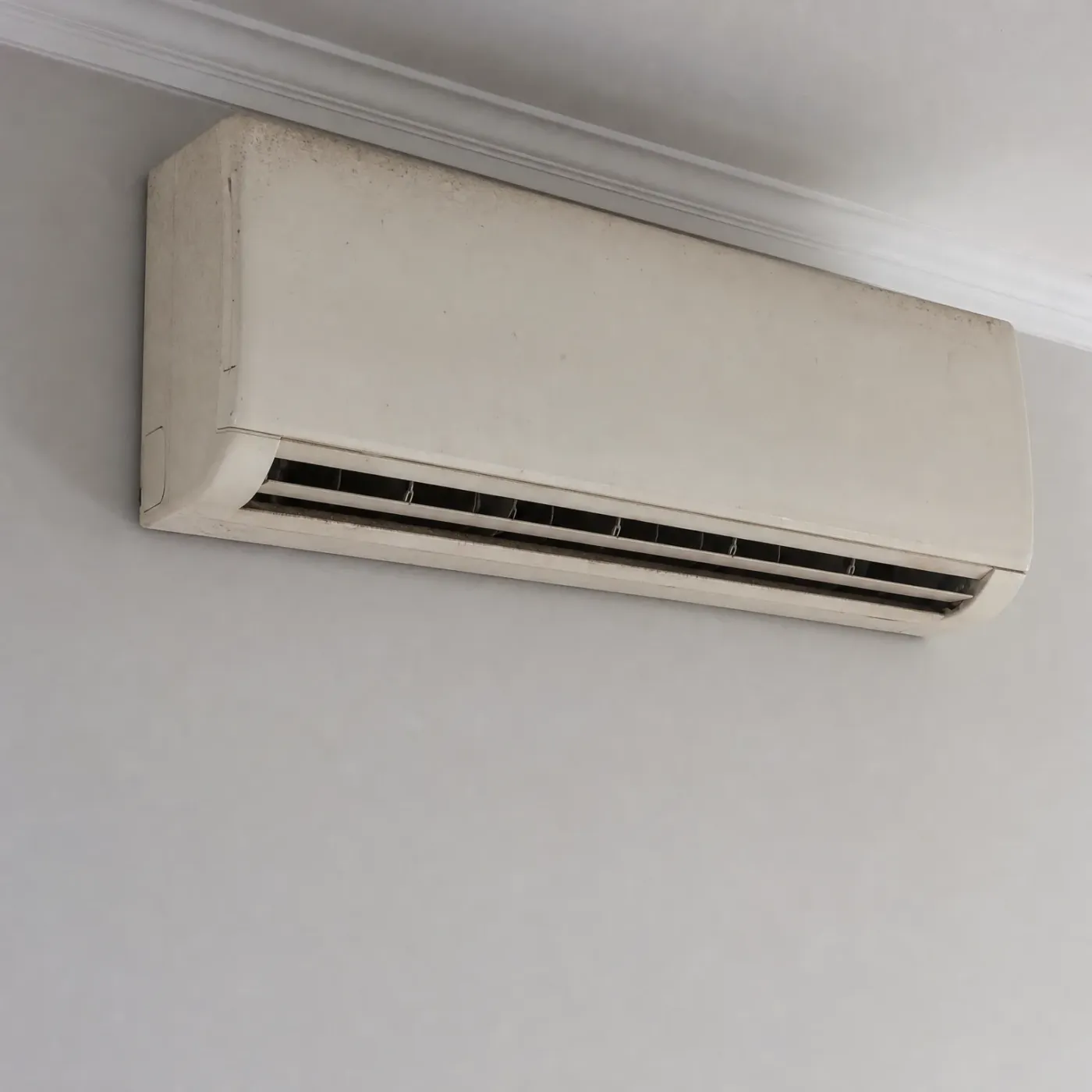
A wall-mounted mini-split air conditioner indoor unit with a dusty off-white casing and dark lower vent, installed high on a plain light-colored wall below a ceiling molding.
Before you get your mini split installation
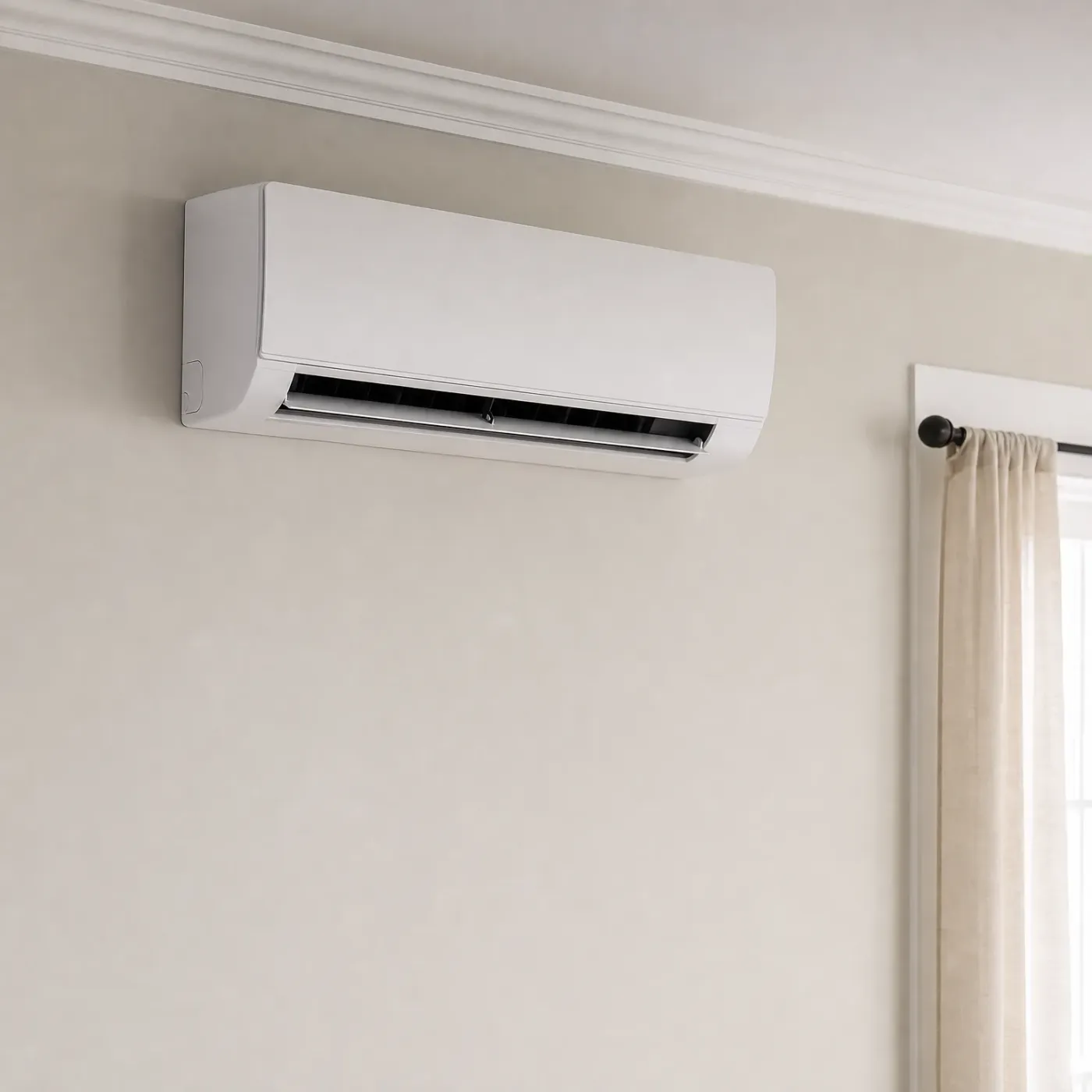
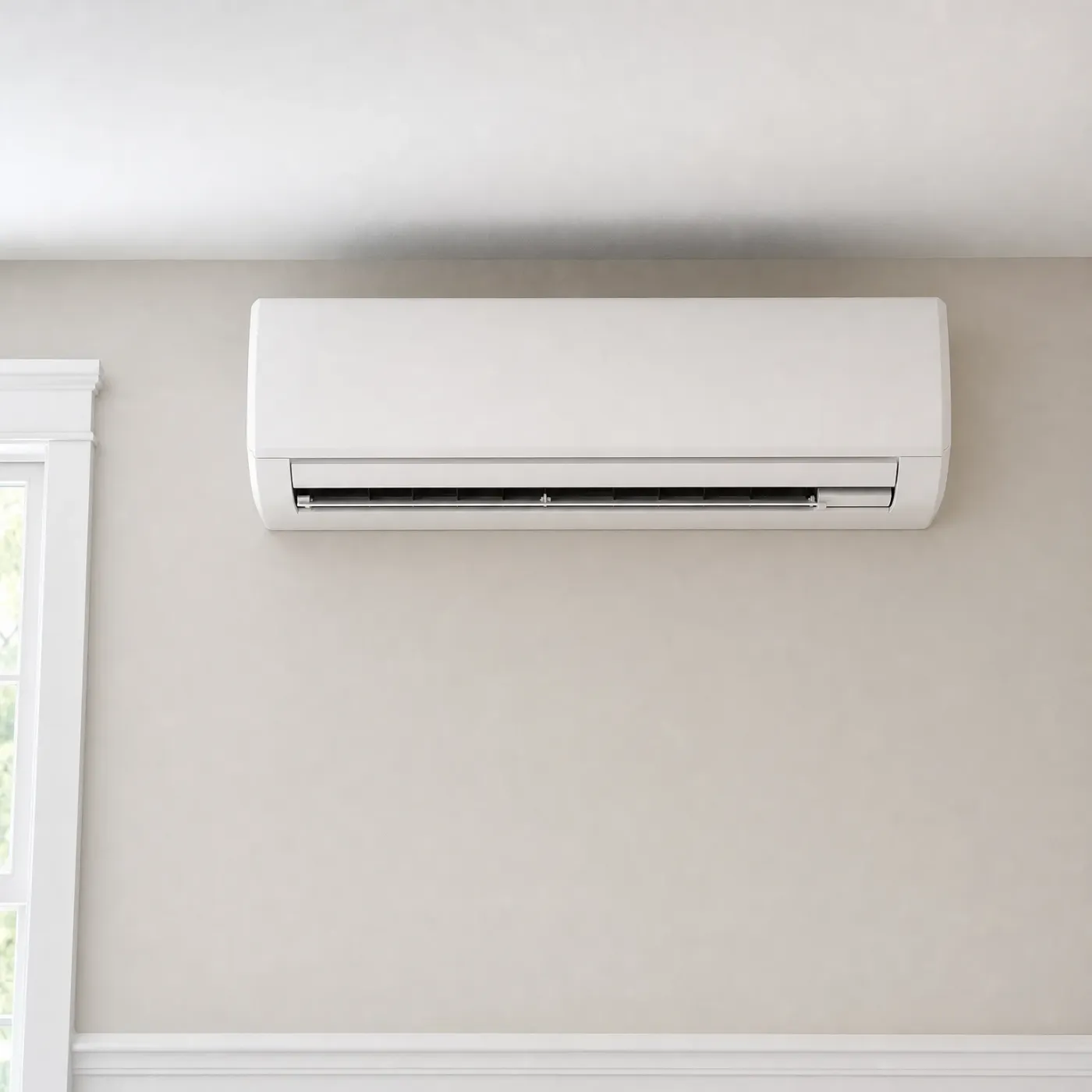
A white wall-mounted mini-split air conditioner installed high on a beige interior wall below crown molding, with a window and light curtain on a black rod at right.
After you get your mini split installation

The outdoor compressor sends refrigerant through a thin line set to the indoor head mounted on the wall. That line set needs a small hole through the wall, nothing more, so there's no work in the attic or the crawlspace to get it in. The indoor head is what moves the heat. In winter it pulls heat from the outside air and pushes it into the room. In summer it runs the same cycle backward. It's still the same machine doing both jobs. Once it's running, it has nothing to do with your furnace. The furnace keeps its own thermostat and keeps heating the house through its ducts on whatever schedule it already runs. The mini split has its own remote or wall control for the room it's in, separate from that thermostat. Turn the mini split up or down and the furnace doesn't know or care. They're two systems sharing a house, not one system split in two.

How a mini split actually runs

  • A mini split has an outdoor compressor unit connected by a thin refrigerant line to one or more indoor wall-mounted heads.
  • The indoor head pulls heat out of the room in summer and pumps heat into the room in winter, same unit, reversed cycle.
  • No ductwork is involved, so the install runs a line set through a small hole in the wall rather than through your attic or crawlspace.
  • Your furnace keeps its own thermostat and its own ductwork, so it can still run on its normal schedule after the mini split goes in.
  • The mini split and the furnace don't talk to each other, so setting one doesn't change what the other is doing.
  • Each indoor head has its own remote or wall control, separate from the thermostat that runs your furnace.
An older man with gray hair and a beard leans back on a beige sofa with his eyes closed, in a sunlit room with potted plants, a wicker chair and large windows behind him.
A woman in a cream knit sweater sits in an armchair with her eyes closed and a slight smile, beside an open window showing orange autumn foliage, with a mug, books and a lit candle on a small side table.
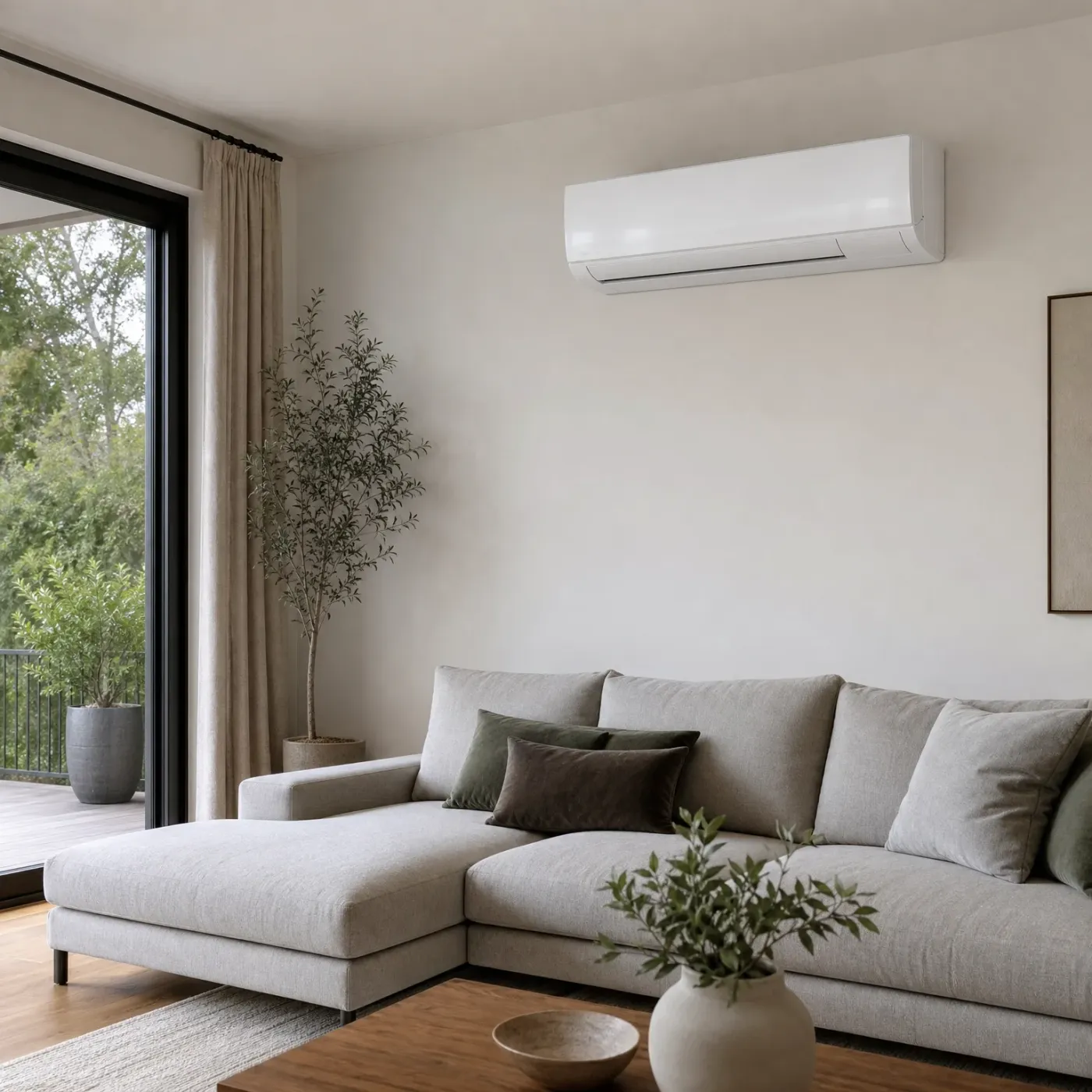
Living room with a grey sectional sofa, wall-mounted white mini-split air conditioner above it, a potted tree beside sliding glass doors with beige curtains, and a wooden coffee table with a vase of foliage in the foreground.

Stop chasing a mini split pro

Describe your mini split job once, to one pro.

Send the form and the search for an installer is over.

Start one form

It costs nothing to send, and you don't have to hire anyone.

Why does the room with the furnace vent never feel right

You already know the rooms that run cold in January and the ones that get stuffy on the warm afternoons in July or August. Maybe it's a bonus room over the garage, or a bedroom at the end of the duct run that the furnace never quite reaches. You've probably got a space heater in there, or a window unit that you haul out every spring. The furnace is doing its job for the rest of the house, it's just not built to fix one room without heating or cooling every other room along with it. That's the gap a mini split is made for, and it's likely the reason you're looking at one now.

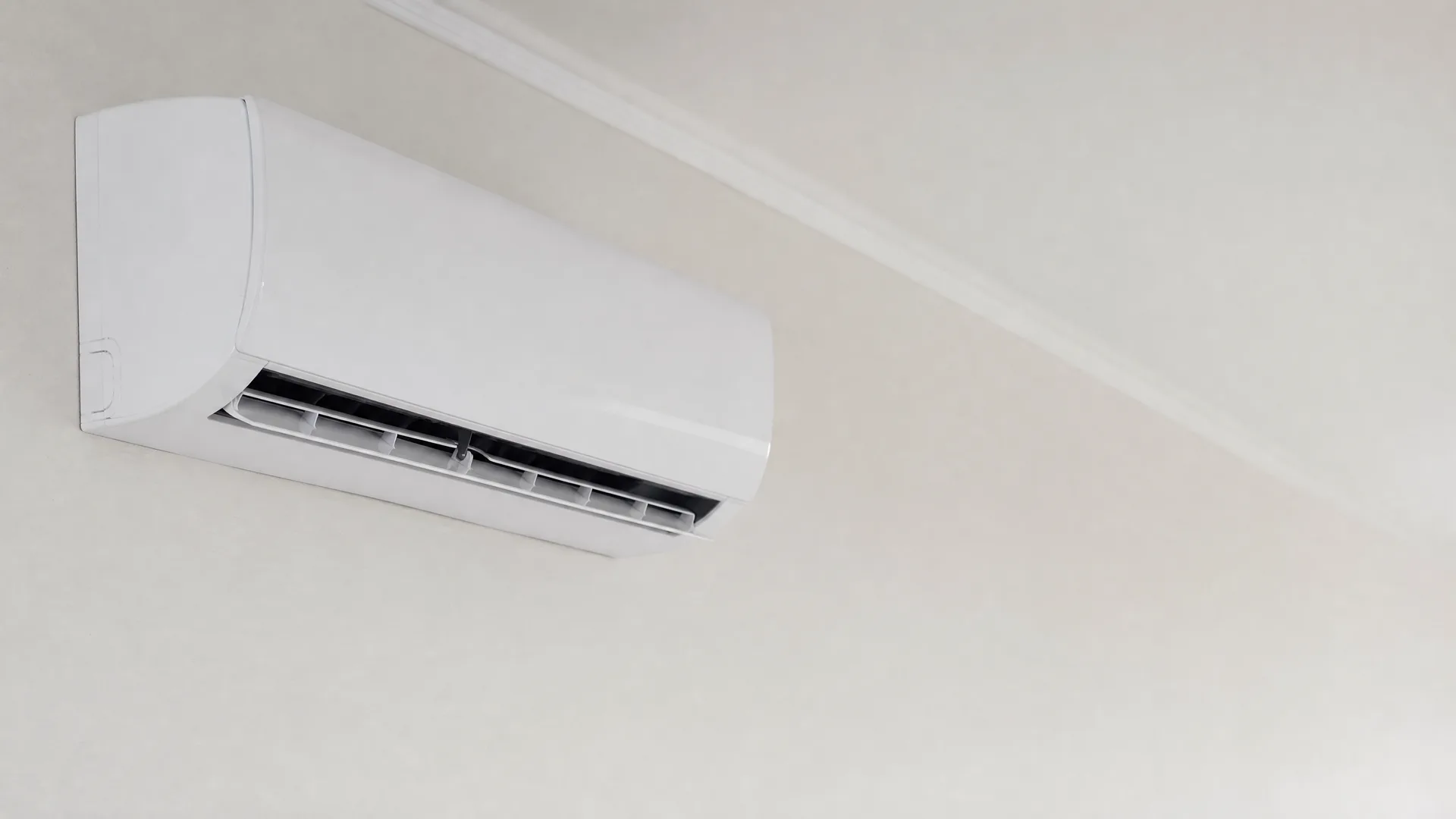
A white wall-mounted mini-split air conditioner indoor unit installed near the ceiling on a plain beige wall.

Keeping the furnace as backup

The furnace stays put and keeps doing what it already does well, heating the whole house evenly on the coldest stretch of the year. You add the mini split for the room that never gets comfortable, or for the addition the ducts never reached. The two run on separate systems, so one going down doesn't leave you without the other. Electricity here is cheap, so running both when you need to doesn't change much.

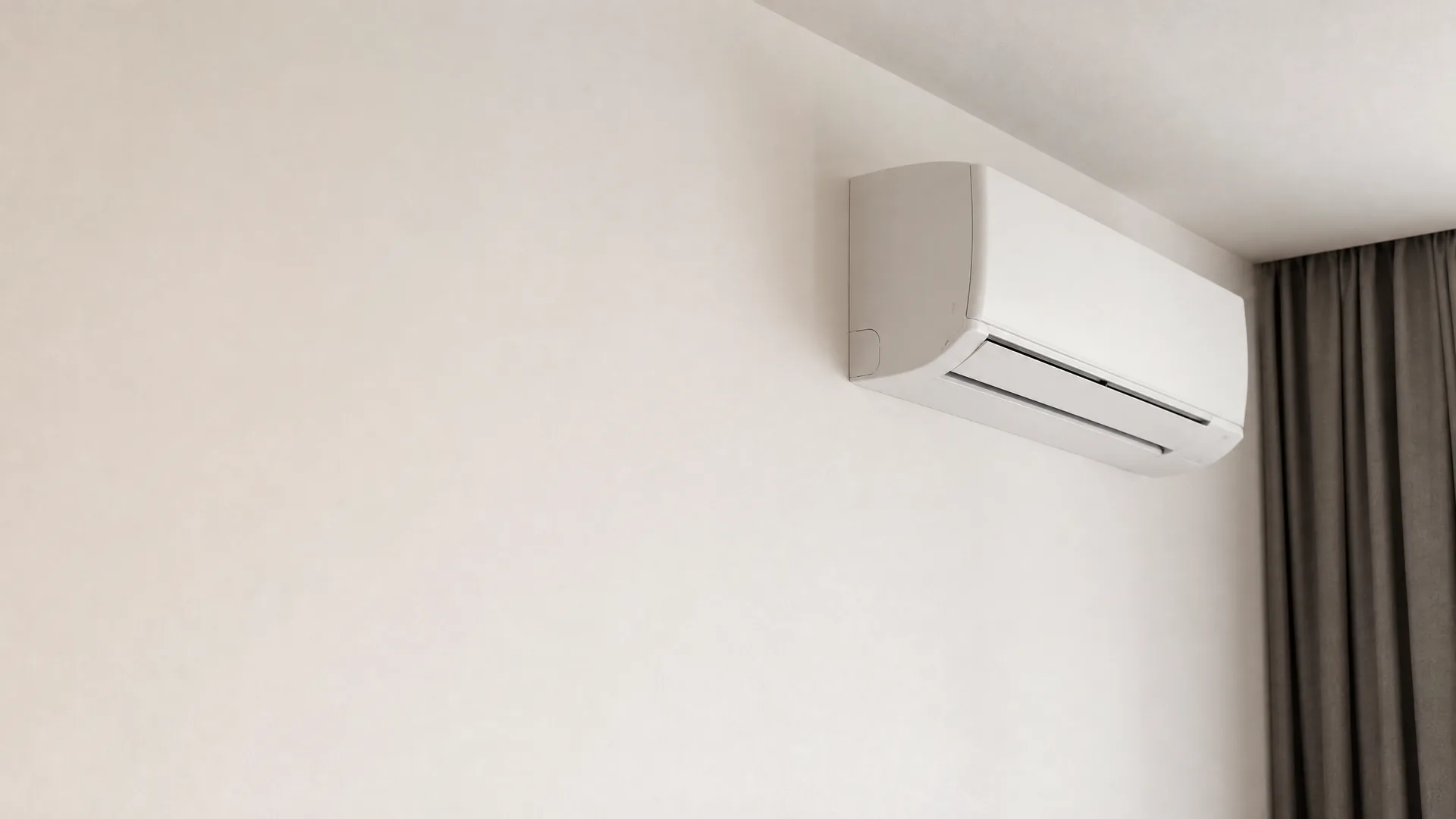
A white wall-mounted mini-split air conditioner on a plain off-white interior wall, with a gray curtain at the right edge.

Running the mini split alone

Some homeowners shut the furnace off almost entirely once the mini split is in, using it only on the rare night cold enough to need the extra heat. The mini split handles the day to day heating and the summer cooling, since Washington summers don't call for much more than that. The furnace sits idle most of the year, which means less wear on it, but it also means you're leaning on one system for nearly everything.

Whole-House Ducts or One Room Zoned

Ducted zone

  • A furnace pushes the same heat through every duct run, so a room that's already warm keeps getting more.
  • Shutting a vent to cool one room down doesn't lower that room's heat, it just pushes the air somewhere else in the house.
  • The thermostat reads one spot in the house, so every other room is a guess based on where that thermostat sits.
  • Adding returns or a damper system to fix one room's comfort means opening walls and ceilings to get at the ductwork.
  • Washington power is cheap, but a furnace still has to run long enough to push heat the full length of the ducts to reach a far room.

Mini split zone

  • The indoor head is mounted right in the room, so the thermostat and the heat source are the same place.
  • You set that one room's temperature without touching what the rest of the house is doing.
  • The refrigerant line runs through a small hole in the wall, not through the attic or under the floor with the rest of the ductwork.
  • A room over the garage or at the end of a long duct run gets heat sized for it specifically, not whatever makes it through the system.
  • Washington summers don't get heavy and humid, so that one head can handle the room's cooling without a bigger system behind it.
A white wall-mounted mini-split air conditioner installed high on a beige interior wall near the ceiling, with a white-framed window at the left edge.

Mini split running clean

The unit sits high on the wall, quiet, blowing air at whatever temperature you set for that room. The filter behind the grille is clear, so air moves through it the way it's supposed to. This is what a mini split looks like when it's been cleaned on a normal schedule.
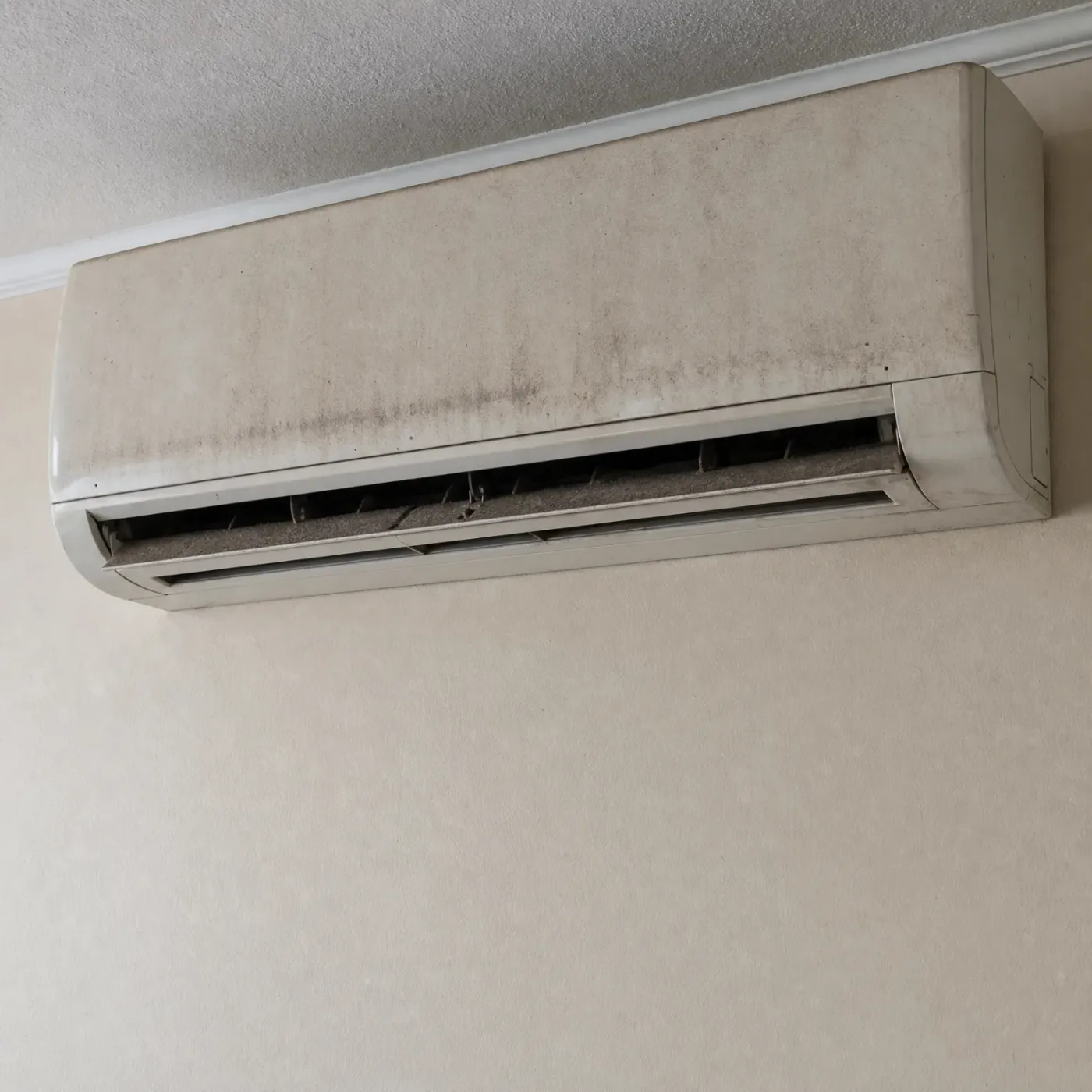
A dusty, stained wall-mounted mini-split air conditioner indoor unit near the ceiling on a plain beige wall, with visible lint buildup at its intake grille.

Mini split gone without cleaning

Dust and grime have built up across the casing, and the filter underneath is dark with it. Air still gets pushed out, but it's working harder to move through a clogged filter, and whatever's growing on that casing is going into the room along with it. This is what a few skipped cleanings turns into.

Power costs 13.17 cents per kilowatt-hour statewide

Since most Washington homes heat with electricity already, the furnace isn't adding much to that 13.17 cents a kilowatt-hour. Running the mini split instead for the room you use most costs you less, since it's only heating that one space instead of the whole house.

EIA-861 2025 statewide residential average

A furnace and a mini split can run in the same house, each doing the job it's good at. The furnace keeps the whole place even when it's cold through the winter. The mini split takes over the room that never got right, set to whatever temperature you want, without touching the rest of the house. That's the answer. What's left is finding someone licensed to run the line set, mount the head, and tie the outdoor unit in without tearing up a wall you care about. You could spend the next week calling around, asking each one if they've done this alongside an existing furnace, waiting on callbacks, and lining up quotes side by side to see who actually knows the work. Send the form instead and that search is off your plate. You'll still need to decide on the room, the unit, and when the work gets done, but you won't be the one tracking down who can do it.

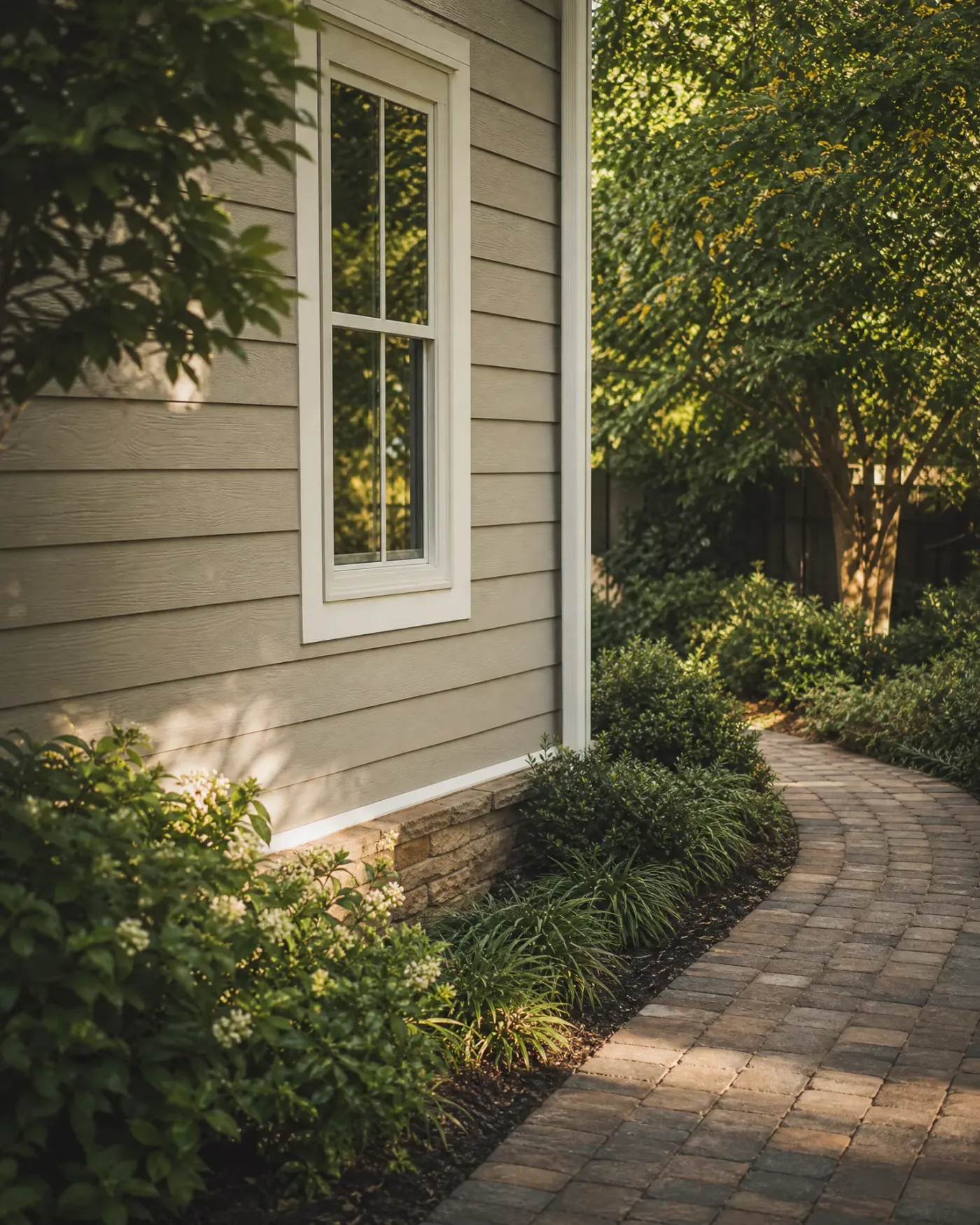
A curving paver walkway runs alongside a house with beige lap siding and a white-trimmed window, bordered by low shrubs, grassy plants, and trees in sunlight.
A dark-framed casement window with divided upper panes set in a stucco wall beside a stone-clad section, with hydrangeas, hostas and trimmed shrubs in a mulched bed above a lawn.
White horizontal lap siding wall with a single six-pane double-hung window, above a mulched bed of hydrangea shrubs with browning blooms, bordered by mown grass in low sunlight.
Interior corner with tan plaster walls, a potted olive tree in a large terracotta urn beside a floor-to-ceiling window, and a wooden bench with a beige cushion on a herringbone brick floor partly covered by a woven jute rug.
A wooden bench beneath a window holds a green linen cushion and a fringed cream throw, with a woven basket stored underneath on a wood plank floor.

Send one request and you're done looking

Skip collecting and comparing quotes for the new mini split.

Skip calling around

No charge to send it. You decide if you hire them.